Answering the question, these products are selected to control pond algae effectively without harming fish, plants, or beneficial bacteria. Best for small-to-medium garden ponds, koi ponds, fountains, or water features. The top picks include EPA-registered, copper-free formulas and fast-acting treatments that target green water, string algae, and blanketweed. This guide highlights which product is best for your setup and why.
| Product | ||
|---|---|---|
| API POND ALGAEFIX (32 fl oz) | 32 oz (treats up to 9,600 gal) | Small to mid-size ponds; safe for fish and plants |
| API POND ALGAEFIX (16 fl oz) | 16 oz (treats up to 4,800 gal) | Compact ponds; quick response for light to moderate blooms |
| CrystalClear Algae D-Solv (1 gallon) | 1 gallon (treats up to 46,080 gal) | Larger ponds; broad-spectrum, no copper |
| CrystalClear Algae D-Solv (16 oz) | 16 oz (treats up to 5,760 gal) | Medium ponds; portable treatment for maintenance |
| Cutrine-Plus Liquid Algaecide (1 gallon) | 1 gallon | Lakes, larger ornamental water bodies; fast control |
API Pond Algaefix 32 Fl Oz
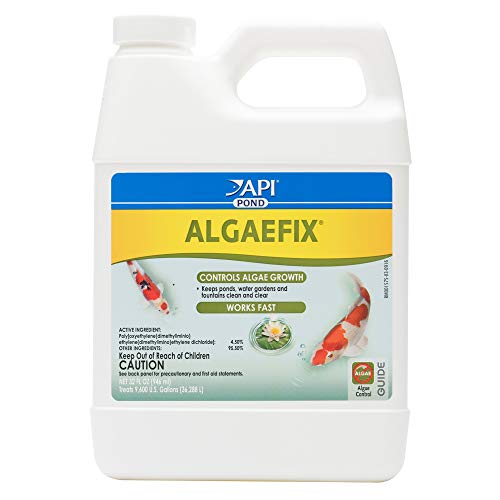
Features include fast algae control with a copper-free, EPA-registered formula safe for fish and aquatic plants when used as directed. Treats up to 9,600 gallons. Works on green water (Chlorella), string and hair algae, and blanket weed. Best for small to mid-size ponds and fountains seeking rapid clarity without disturbing beneficial bacteria.
Best for: Home koi ponds, water gardens, and decorative ponds with sensitive fish or plants. Limitations: Not suitable for copper-sensitive species; follow directions to avoid overdosing and potential irritation to certain plants.
API Pond Algaefix 16 Fl Oz

This copper-free formula treats up to 4,800 gallons, offering fast action against most algae types including green water and filamentous varieties. It is EPA-registered and designed to be safe for fish and plants when used as directed, not disturbing beneficial bacteria or pond sediment.
Best for: Garden ponds with limited volume where quick results are needed without copper exposure. Limitation: Treats fewer gallons than larger bottles, so plan for ongoing maintenance in bigger ponds.
CrystalClear Algae D-Solv 1 Gallon

Algae D-Solv is a no-copper, fast-acting algaecide designed for fountains and outdoor ponds containing koi and other fish. It targets green water, string algae, and blanketweed, with an emphasis on restoring a clear, safe water environment. Ensure aeration is present before use.
Best for: Larger or species-sensitive ponds where copper-based products are undesirable. Caution: Avoid applications without adequate aeration to prevent oxygen stress during treatment.
CrystalClear Algae D-Solv 16 Oz

This 16-ounce bottle provides a portable option for maintenance or spot treatment in smaller ponds. It shares the same copper-free formulation as the gallon version, focusing on rapid reduction of various algae types while safeguarding koi and decorative plants.
Best for: Quick, on-the-go algae management in small features or as a supplement to regular maintenance. Limitation: Requires more frequent applications for ongoing blooms in larger ponds.
Cutrine-Plus Liquid Algaecide (1 Gal)
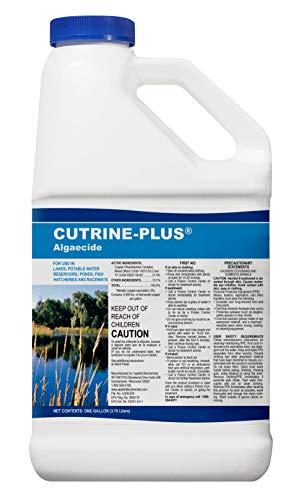
Cutrine-Plus targets planktonic, filamentous, and chara algae for rapid reduction in larger water bodies. EPA-approved and versatile for ponds, lakes, hatcheries, and irrigation systems. Safety note: avoid use in waters with copper-sensitive fish (e.g., koi or trout). Best for: Larger ponds where a professional-grade solution is desirable and copper sensitivity is a concern.
Crystal Plex Lake And Pond Algaecide Treatment

Crystal Plex is a liquid copper algaecide designed to kill and prevent several algae types, including planktonic, filamentous, and chara. It is effective for larger ponds up to about an acre when used as directed. Best for: Larger, mature ponds needing broad algae control in a single treatment cycle. Limitation: Not suitable for koi, goldfish, or trout ponds.
The Pond Guy InstaFix Algae Control

InstaFix is an EPA-registered liquid algaecide for outdoor water gardens, fountains, and birdbaths. It targets green water and string algae with fast results and is suitable for ongoing maintenance. Best for: Quick deterrence of algae in small to medium features, especially where easy application around edges is preferred. Caution: Regular aeration improves effectiveness and reduces rebound algae growth.
Buying Guide: Key Purchase Considerations
- Algae type: Identify whether your pond struggles with green water, string algae, or blanketweed to choose the most effective formula.
- Pond size: Match the gallon coverage on the product label to your pond volume to avoid under- or over-dosing.
- Fish and plant safety: Prefer copper-free, EPA-registered products when you have koi, goldfish, or ornamental plants.
- Water features and aeration: Some products work best with active aeration; ensure your pond is aerated during treatment for optimal results.
- Maintenance vs. treatment: Consider whether you need a fast-acting solution for a bloom or a maintenance plan for ongoing control.
- Environmental impact: Avoid products that may disrupt beneficial bacteria or accumulate in sediment as a long-term issue.
Frequently Asked Questions
- What is the safest algae treatment for koi ponds? Look for copper-free, EPA-registered formulas labeled safe for fish and plants when used as directed.
- How long does it take for algae to die after application? Many products show noticeable reduction within 1–2 days, depending on algae type and water conditions.
- Can I treat green water and blanketweed at the same time? Some products cover multiple algae types; always follow label directions and avoid overdosing.
- Do these products affect beneficial bacteria? Copper-free, EPA-registered formulas are designed to minimize disruption to beneficial bacteria when used as directed.
- Should I remove fish before treatment? Generally not required, but ensure the pond is well aerated and follow label precautions for safety.
- Is a maintenance plan better than one-time treatment? For persistent blooms, a regular maintenance schedule combined with aeration and water quality monitoring is often effective.