Answer: If you’re dealing with powdery mildew, blight, leaf spot, or botrytis, these antifungal sprays are designed to prevent and control common plant diseases. This guide highlights five effective options and clarifies who each product is best for, so you can choose with confidence for your indoor or outdoor garden. The top picks cover organic-friendly formulas, copper-based solutions, plant-oil blends, and copper-free alternatives to suit different gardening goals and sensitivities.
| Product | Best For | Notes |
|---|---|---|
| Bonide Captain Jack’s Copper Fungicide (32 oz RTU) | Organic gardeners; disease prevention | Copper-based, harvest-day friendly |
| Garden Safe Fungicide 3 (32 Oz) | General garden protection; integrated pest approach | 3-in-1: fungicide, insecticide, miticide |
| Grower’s Ally Fungicide (24 oz) | Copper-free, safe for edible crops | Citric acid-based |
| Trifecta Crop Control (32 oz) | Indoor/outdoor home gardens; broad pest control | All-natural plant-friendlier formula |
| FortaGrow Plant Disease Control Spray (16 oz) | Natural thyme oil option; home use | Botanical antifungal with thyme oil |
Bonide Captain Jack’s Copper Fungicide

Bonide Captain Jack’s Copper Fungicide is a ready-to-use liquid copper formulation designed to control a wide range of fungal diseases. It’s approved for organic gardening and can be used up to the day of harvest, making it a versatile option for vegetables, fruits, and ornamentals. This product is best for gardeners seeking an easy, pre-mixed solution that aligns with organic standards and provides broad disease prevention power. It’s particularly suited for those who want a familiar, copper-based approach and prefer a product that does not require mixing.
Best for: Organic growers who want a simple, ready-to-use spray that works across many common diseases, including blight, black spot, and powdery mildew. It’s a solid choice for preemptive protection during key growth stages.
Limitations: Copper-based sprays may require careful application to avoid foliar burn on young or sensitive tissues. Overuse can affect soil copper levels over time, so follow label directions and avoid excessive use on delicate plants.
Garden Safe Fungicide 3 32 Oz

Garden Safe Fungicide 3 is a versatile, ready-to-use spray marketed for organic gardening. It targets a broad spectrum of fungal diseases such as black spot, rust, and powdery mildew, and it also functions as an insecticide and miticide, offering three products in one application. This makes it attractive for gardeners who want to reduce the number of products they carry and prefer a multi-function solution for roses, flowers, houseplants, and edibles.
Best for: Home growers seeking a convenient, multi-purpose spray to protect diverse plant types, including edible crops, without the need for mixing. It’s especially useful when disease pressure is anticipated across plant families.
Limitations: As a broad-spectrum product, it may affect beneficial insects if applied indiscriminately. Follow targeted, label-directed applications to minimize non-target effects.
Bonide Neem Oil (32 oz RTU)
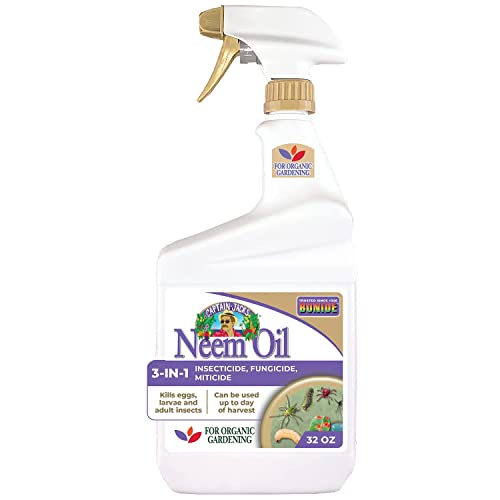
Bonide Neem Oil is a widely used, three-in-one product that functions as a fungicide, miticide, and insecticide. It’s ready-to-use, providing convenient coverage for a broad range of pests and diseases, including mildew and plant-feeding insects. The oil-based formulation helps smother pests and fungal threats without the need for complex mixing, making it a practical choice for gardeners who want a single product to manage multiple issues.
Best for: Gardeners seeking a multi-use, easy-to-apply spray that controls both pests and fungal diseases, with a focus on preventive protection and immediate pest suppression. Suitable for organic and home gardens where inclusive pest management is desired.
Limitations: Oil-based products can cause leaf burn on stressed or tender growth, especially under hot or sunny conditions. Test on a small area first and apply during cooler parts of the day if possible.
Grower’s Ally Fungicide

Grower’s Ally Fungicide is a copper-free alternative formulated with a food-grade citric acid formula. It targets mildew, blight, leaf spot, and other common fungal diseases on a wide range of crops, including vegetables and ornamentals. The absence of copper reduces concerns about soil buildup and potential tissue damage, making it appealing to gardeners who prefer a gentler, metal-free option that remains effective during the growing cycle.
Best for: Gardeners who want a copper-free option that’s safe for edible crops and minimizes environmental residue while still providing broad disease control.
Limitations: Some users may require more frequent applications to maintain disease suppression, particularly in high-hungal pressure environments, since it relies on citric acid-based activity rather than metal-based suppression.
Trifecta Crop Control Ready to Use
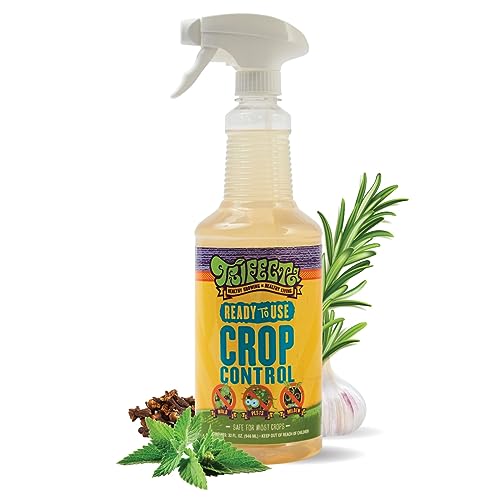
Trifecta Crop Control is an all-natural, plant-based spray designed to combat a spectrum of pests and diseases, including powdery mildew, botrytis, and mold. It’s formulated to be safe for edible crops and is marketed as eco-friendly and residue-free. This product is well-suited for organic gardeners who prefer plant-derived ingredients and want a pest-and-dung approach that aligns with low-toxicity practices.
Best for: Gardeners seeking a natural, all-purpose product that addresses common pests and diseases without synthetic residues. It’s ideal for homes and gardens aiming for an organic or low-input approach.
Limitations: While effective against multiple threats, it may require more frequent applications or higher coverage in dense plant canopies, and users should monitor for weather-related wash-off after rain or irrigation.
FortaGrow Plant Disease Control Spray

FortaGrow Plant Disease Control Spray uses thyme oil as its active ingredient to provide antifungal action. This plant-based formulation is designed for indoor and outdoor use, offering a safe option around families and pets when used as directed. It targets powdery mildew and other common foliar diseases with a contact-action approach that suits home gardeners who favor natural botanicals and simple application.
Best for: Those seeking a thyme-oil–based alternative with family-friendly labeling for indoor and outdoor use, especially in home gardens and around edible plants.
Limitations: Botanical sprays may require more frequent applications during periods of high disease pressure or heavy rainfall, and results can vary with environmental conditions.
Buying Guide: Key Purchase Considerations
- Active ingredient and mode of action: Choose a product with an active ingredient that matches your preference (copper-based, plant oils, citric acid, thyme oil) and consider whether you want a preventive or curative approach.
- Organic suitability: If you garden for organic produce, verify conformance to organic standards and harvest-day usability as applicable.
- Safety and impact on non-targets: Assess potential effects on beneficial insects, pollinators, pets, and humans. Some products are safer for households with children and pets than others.
- Crop and use-case compatibility: Ensure the product is appropriate for the crops you grow (vegetables, fruits, ornamentals, houseplants) and whether it’s suitable for indoor or outdoor use.
- Application convenience: Ready-to-use formulas save mixing time, while concentrate formulas may offer cost-per-use benefits if you have multiple containers.
- Resistance and rotation: For ongoing disease pressure, rotate between products with different active ingredients to minimize resistance development in plant pathogens.
Practical Tips for Using Antifungal Sprays
- Apply during the cooler parts of the day to reduce leaf burn and maximize absorption.
- Test on a small section of plant tissue before broad application to check for phytotoxicity.
- Water-stress plants before applying sprays to prevent additional stress.
- Avoid spraying blooming flowers to minimize harm to pollinators unless directed by label instructions.
- Record pest and disease trends to determine when to rotate products and adjust timing.
FAQ: Quick Answers For Buyers
- What is the best antifungal spray for organic gardening?
Copper-based Captain Jack’s and plant-based options like Trifecta Crop Control or FortaGrow can suit organic practices depending on the crop and local regulations. Choose one that is explicitly labeled for organic use if this is a priority.
- Can I mix these sprays with other garden chemicals?
Avoid mixing unless the label explicitly allows it. Mixing can reduce effectiveness or create harmful interactions for plants and humans.
- Are copper sprays safe near edible crops?
Yes, when used as directed. Some formulations indicate harvest-day usability, but follow label instructions to minimize copper residue on edible parts.
- How often should I apply these sprays?
Application frequency depends on disease pressure, weather, and the product’s label. Some require weekly applications; others are label-guided for specific intervals.
- Do these products kill powdery mildew on contact?
Most antifungal sprays reduce spread and can kill on contact, but ongoing protection often requires regular reapplication and environmental management.
- Is it better to use a multi-purpose product or separate fungicide and insecticide sprays?
For simplicity, a 3-in-1 product (fungicide, insecticide, miticide) can be convenient. If specific pest pressures are known, targeted products may be more effective.