Answering the question “which aquatic plant fertilizer is safe for fish,” these options supply essential nutrients to planted tanks while minimizing risk to fish, shrimp, and other invertebrates. This guide helps active hobbyists choose products that support lush foliage and vibrant color without compromising water quality. The top picks below are selected for use in freshwater aquariums, including shrimp-inhabited tanks and nano setups. Each entry notes who it’s best for, plus practical cautions.
| Product | Best For | Why It Stands Out |
|---|---|---|
| API LEAF ZONE Freshwater Aquarium Plant Fertilizer 16-Ounce | Moderate to heavy plant load in standard tanks | Balanced nutrients with chelated iron and potassium for strong leaves and color |
| CrystalClear Thrive Aquatic Pond Plant Food (30 Tablets) | Pond containers and water gardens | Multi-nutrient tablet format supports root growth and blooms; safe for fish |
| Crystalpro Flora Multi Minerals All-in-One | Active planted tanks needing comprehensive micro/macro nutrients | Phosphate/silicate-free formula to reduce algae risk; rich mineral mix |
| Root Tabs Freshwater 100 Tabs (Montorchid) | Root-feeding plants in densely planted tanks | Slow-release, root-directed nutrients; safe for fish and shrimp |
| API ROOT TABS Freshwater 0.4-Ounce 10-Count | New setups or small tanks needing strong root support | Compact root tabs with iron, potassium, and carbon for root development |
Notes: This article focuses on products that are commonly labeled as safe for fish and other aquatic life when used as directed. Always monitor water parameters after introducing any fertilizer and follow manufacturer dosing recommendations.
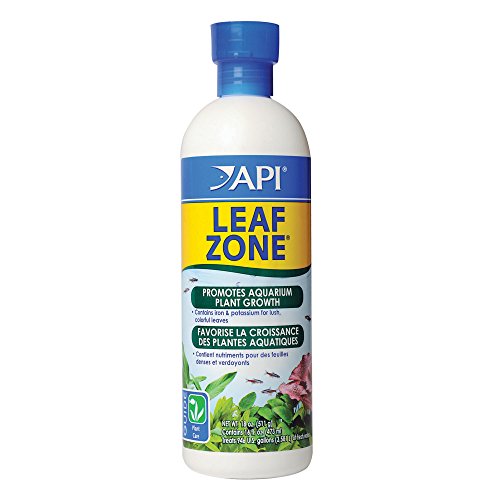
API Leaf Zone 16-Ounce Fertilizer
What this product is best for
Best for aquariums with moderate to high light where leaves can benefit from enhanced iron and potassium. This fertilizer supports strong leaf structure and color, helping prevent yellowing and decay in leafy species.
Why selected
Contains chelated iron and potassium, essential nutrients for aquatic plant health. It provides a straightforward, ready-to-use option for maintaining plant vigor in standard tanks.
Limitations or cautions
Not labeled specifically for extremely high-demand setups; start with the recommended dose and monitor plant response and water clarity.
CrystalClear Thrive Pond Plant Food (Tabs)

What this product is best for
Ideal for containers or pond edges where root growth and blooms are desirable. Suitable for fish-safe water gardens and koi habitats when used as directed.
Why selected
Provides a blend of 10% nitrogen, 14% phosphate, and 8% potash to support root development and flowering. Easy monthly use makes it practical for seasonal feeding.
Limitations or cautions
Designed for pond use; aquarium use should follow label instructions and consider water volume differences between ponds and aquariums.
Crystalpro Flora Multi Minerals All-in-One

What this product is best for
Best for tanks with diverse plant species needing a well-rounded mineral profile, including micro nutrients that support robust growth and coloration.
Why selected
All-in-one formulation supplies potassium, iron, magnesium, calcium, and trace elements in a balanced blend. Algae growth is minimized by avoiding unnecessary phosphates and silicates found in some alternatives.
Limitations or cautions
Contains a comprehensive nutrient list; follow dosing recommendations to avoid nutrient excess in sensitive tanks.
Montorchid Root Tabs Freshwater Plant Fertilizer (100 Tabs)

What this product is best for
Designed for root-feeding plants in planted tanks, particularly useful when you need localized nutrients at the substrate level.
Why selected
Balanced NPK ratio (1:0.5:2.8) provides a low-nitrogen and low-phosphorus mix with higher potassium, which helps plant roots take up nutrients efficiently without overloading the water column.
Limitations or cautions
A white suspension after placement is normal and will dissipate within hours. Monitor turbidity and adjust dosing if you notice cloudiness.
API ROOT TABS 0.4-Ounce (10-Count)

What this product is best for
Strong choice for new setups or smaller tanks needing reliable root feeding for lush plant growth.
Why selected
Contains essential nutrients including iron and potassium, delivered in convenient tabs that directly support root uptake.
Limitations or cautions
Tabs release nutrients gradually; avoid overloading substrate in very small tanks.
Buying Guide: Key Considerations for Aquatic Plant Fertilizers Safe for Fish
What should I look for in a fish-safe fertilizer?
- Phosphate and silicate content: Low or zero phosphate reduces algae risk in freshwater tanks.
- Chelated micronutrients: Chelated iron and other trace minerals improve uptake and reduce precipitation.
- Delivery method: Liquid fertilizers work well for foliar feeding; root tabs target substrate feeders; tablets provide slow release.
- Compatibility with tank inhabitants: Look for explicit “fish safe” or “invertebrate safe” labels for tanks with shrimp or fry.
Should I use root tabs or liquid fertilizers?
Root tabs are best for root-feeding plants and densely planted substrates. Liquid fertilizers cover foliar feeding and supply a broad nutrient profile. A combination can deliver comprehensive plant nutrition in most tanks.
How often should I feed aquatic plants?
Follow manufacturer guidance, typically weekly to biweekly for liquids and monthly or periodic for root tabs. For ponds or outdoor setups, adjust to seasonal plant growth.
What are common warning signs of nutrient issues?
- Yellowing leaves indicate possible iron deficiency or incorrect light/nutrients.
- Algae blooms can signal imbalanced nutrients or excessive phosphates.
- Stunted growth or melting leaves may reflect improper dosing or incompatible plant species.
How can I minimize risks to fish and invertebrates?
- Test water parameters (ammonia, nitrite, nitrate, pH) before and after dosing.
- Introduce fertilizers gradually and monitor tank inhabitants for stress signs.
- Choose products labeled “safe for fish” or “invertebrate safe” when keeping shrimp or snails.
Frequently Asked Questions
- Are these fertilizers safe for freshwater aquariums with fish?
- What’s the difference between root tabs and liquid fertilizers?
- Can I use multiple fertilizers at once?
- How do I know if my plants need more iron?
- What if I have nano tanks or shrimp-only setups?
- Is a fertilizer with zero phosphates always better?
Yes, the listed products are commonly used in freshwater tanks and are formulated to minimize risk when used according to directions. Always start with the recommended dose and observe water quality.
Root tabs deliver nutrients directly to plant roots, ideal for root-feeding species and substrate-rich tanks. Liquid fertilizers distribute nutrients throughout the water column, supporting foliar uptake and overall plant health.
Yes, but stagger dosing and monitor nitrate and phosphate levels to avoid excess nutrients that can fuel algae growth. Consider using one root-tab product with a compatible liquid supplement if needed.
Yellowing between veins, paling new growth, or reduced coloration can indicate iron deficiency. Adjust iron supplementation as per product directions and tank demands.
Choose copper-free, shrimp-safe formulas and start with small doses. Starter-size products, like nano-focused liquids or small tabs, reduce risk when experimenting in small volumes.
Zero phosphates help reduce algae risk in many freshwater systems, but some plant species may require phosphate for growth. Balance with monitoring and tank-specific needs.