Answering the need for reliable pond greenery, this guide highlights five aquatic plants that suit American ponds of various sizes and climates. Each choice is evaluated for space needs, water quality benefits, and ideal buyer type—whether you’re a beginner creating a simple pond margin or a hobbyist aiming for a dramatic water garden. The picks emphasize natural filtration, aesthetic appeal, and overall pond health. A quick summary table is included to compare the essentials at a glance, helping you choose plants that fit your pond’s depth, sunlight, and fish population.
| Product | Brand | Best For |
|---|---|---|
| Iris ‘Black Gamecock’ | Chalily | Water garden borders; shallow margins; koi-friendly ponds |
| Floating Flowering Plant, Water Hyacinth | AquaLeaf Aquatics | Surface coverage; natural filtration; small to medium ponds |
| Chalily Water Hyacinth Floating Pond Plants | Chalily | Beginner-friendly floating plants; fast coverage |
| Golden Water Poppies | AquaLeaf Aquatics | Natural filtration; floating to rooted options; moderate care |
| Umbrella Palm | Chalily | Statement focal plant; tropical look; pond edges or shallow zones |
Iris Black Gamecock: Dramatic Marginal Iris For Ponds

The Iris ‘Black Gamecock’ provides a compact, elegant addition to water gardens. Its dark, velvety blooms bring a striking contrast against lighter greens and aquatic foliage. This marginal iris suits ponds with shallow shelves or edges, offering a vivid color accent while maintaining a natural look. Best for small to medium ponds where flower display is a priority and where koi or goldfish still have ample swimming space. A potential limitation is seasonal bloom variability; flowers may be concentrated in certain months and require consistent light to flourish.
Why it’s selected: This plant offers visual drama without requiring deep water or complex support structures. It functions as a real centerpiece along the pond margin and contributes to habitat diversity for pond wildlife. For buyers seeking a low-maintenance yet striking focal point, Iris Black Gamecock balances beauty with practicality.
Floating Flowering Plant: Water Hyacinth (1 Count)

Water Hyacinth is a popular floating plant known for rapid surface coverage and elegant lilac blooms in many varieties. It quietly enhances pond aesthetics while supplying shade for fish and reducing evaporation. The floating roots contribute to natural filtration, aiding nutrient uptake and improving water clarity. This option is best for medium to larger ponds that can accommodate dense surface coverage and benefit from surface cooling. A caution: floating plants may require regular thinning in high-growth periods to prevent excessive shading of submerged plants.
Why it’s selected: The Water Hyacinth is a practical, fast-growing solution for beginners and seasoned pond keepers alike who want visible, immediate coverage and biofiltration benefits. It pairs well with rooted marginal plants for a balanced ecosystem.
Chalily Water Hyacinth Floating Pond Plants

This Chalily floating hyacinth is positioned as an easy-care option for new pond owners. It thrives with minimal soil or planting requirements—simply place bare roots in the water and watch them grow. The plant’s extensive floating root system contributes to natural filtration, supporting pond clarity and overall health. It’s best for ponds seeking quick surface coverage and a robust floating plant that can tolerate a range of conditions. Limitation: performance may vary with water temperature and sunlight availability.
Why it’s selected: The Chalily Water Hyacinth is chosen for its beginner-friendly maintenance and rapid growth, making it a reliable option for quickly boosting surface coverage and filtration in a new pond setup.
Golden Water Poppies: Easy Live Pond Plants
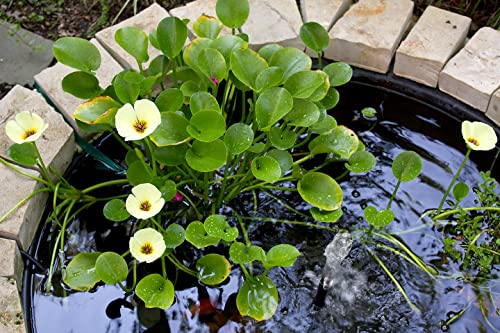
Golden Water Poppies, or Hydrocleys Nymphoides, are valued for their natural filtration role and graceful floating habit. This variety is best suited for ponds that experience moderate temperatures and have space for root development. The plants can float or adapt to rooted growth, and they contribute to clearer water by filtering organically bound nutrients. A caution: extreme heat or wind can stress the plants, so avoid placing them in the hottest, windy zones of the pond during peak summer.
Why it’s selected: These plants provide a balance of aesthetic appeal and ecological function, delivering both beauty and water purification. They are suitable for ponds where owners want clear water without heavy chemical intervention and prefer a notional tropical look.
Umbrella Palm: Tropical Accent For Ponds

Umbrella Palm adds a striking tropical touch with grass-like foliage and umbrella-topped fronds that sway with breezes. It’s a standout focal plant for pond borders or shallow water zones and has won the Royal Horticultural Society’s Award of Garden Merit, reflecting its garden performance and visual appeal. Best for homeowners seeking a bold, evergreen-like silhouette to anchor the pond edge. Limitation: it requires bright light and warm temperatures to flourish and may not perform well in cooler climates or overly shaded areas.
Why it’s selected: The Umbrella Palm offers a dramatic, architectural presence that complements other aquatic plants, providing a balanced contrast between delicate floating species and sturdy, upright foliage.
Buying Guide: Key Considerations For Pond Plant Purchases
- Sunlight and location: Most pond plants prefer several hours of sun daily, but some floating species tolerate partial shade. Match plant choice to your pond’s light exposure.
- Water depth and space: Marginal and emergent plants need deeper margins, while floating plants require open surface space. Consider your pond’s depth profile before purchase.
- Cold sensitivity and climate: Some species are temperature sensitive. Check seasonal suitability for your regional climate and be prepared to protect plants during extreme weather.
- Water quality benefits: Many aquatic plants support natural filtration by absorbing nutrients and providing surface area for beneficial bacteria. Prioritize species with established filtration roles for clearer water.
- Maintenance level: Fast-growing floating plants can quickly dominate a pond. Plan for thinning or dividing to maintain balance and prevent shading of submerged plants.
- Compatibility with fish: If koi or goldfish share your pond, ensure the plant choice is non-toxic and provides zones for fish to explore and forage.
- Soil vs. floating: Rooted plants typically need pond soil or substrate, while floating varieties require only water and light. Choose based on how you want to structure your planting.
FAQ: Quick Answers For Pond Plant Buyers
- What is the best plant for immediate surface coverage?
– Floating plants like Water Hyacinth rapidly cover the surface and help shade the water, reducing algae growth. - Which plants improve water clarity naturally?
– Floating hyacinths, water lettuces, and certain marginals filter nutrients through their root systems and foliage. - Are floating plants safe for koi and goldfish?
– Most common floating species are safe, but large quantities can impact swimming space; maintain balance. - Can I keep tropical-looking plants in cooler climates?
– Some tropical-looking plants require warmer temperatures or indoor protection in cold climates. - How do I prevent overgrowth of floating plants?
– Regular thinning and careful placement help maintain open water and pond balance. - Do these plants require fertilizer?
– Some root-based plants benefit from nutrient-rich substrate; floating plants primarily rely on water nutrients and light.