Answering the common buyer need for sturdy, tree-friendly stakes, this guide compares top arbor ties for trees. These options suit homeowners and landscape pros seeking reliable support that protects bark and roots while withstanding wind and weather. Best for long-term stake projects, and ideal for young saplings as well as mature trees.
Summary table of selected products:
| Product | Strength (approx.) | Best For | ||
|---|---|---|---|---|
| Habitech 250′ Tree Tie Strap | 1,800 lb | Large trees and long-term staking | 5/8″ x 250 ft | Olive green |
| Biubee 2,425 Lbs Straps | 2,425 lb | Weather-heavy environments | 1″ x 108 ft | Green blend |
| DeepRoot ArborTie | Not specified | Flat, bark-safe support | Various lengths | Olive |
| Pelican Rope Tree Straps | up to 1,500 lb | General tree straightening | 3/4″ x 150 ft | Army green |
| Tenn Well Tree Support Strap | 2,200 lb | Large or leaning trees | 1″ x 65 ft | Green |
Notes: All selections emphasize tree-friendly materials, ease of use, and long-term stability. When selecting, consider tree size, climate, and whether you need cut-to-length flexibility or a pre-cut roll for quick projects.
Habitech 250′ Tree Tie Strap Staking and Guying Material
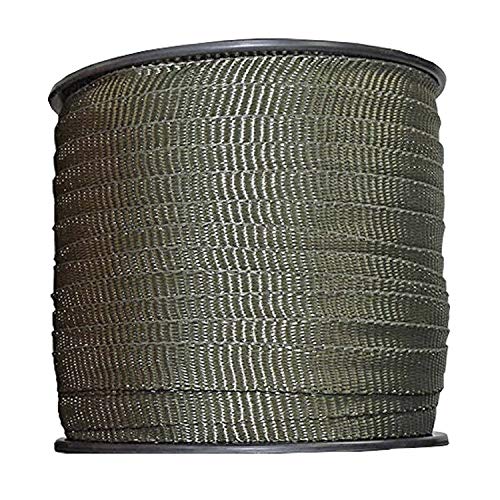
Best for: Homeowners staking large trees and landscapes where long, continuous support is needed. The strap is 5/8″ wide and 250 ft long, offering high tensile strength without harsh abrasion. This makes it suitable for anchoring mature trees or securing branches against heavy snow and windy conditions.
Why chosen: Its 1,800 lb tensile strength provides robust support, while the soft woven webbing protects bark and growth. The olive color blends with outdoor environments, and the material resists moisture and rot for season-after-season use.
Limitation: It is a strap system, not a fixed tie; it requires proper installation to avoid girdling or improper tension. Cut to the needed length as required.
Biubee 2,425 Lbs Strength Tree Straps

Best for: Landscaping projects in exposed climates where extra strength is beneficial for young trees and shrubs. The straps are designed to blend with landscaping while providing secure support.
Why chosen: With a tensile strength of 2,425 lbs, these straps offer sturdy support without damaging the trunk. They stay in place with a non-slip design and are gentle on bark, reducing risk of girdling as trees grow.
Limitation: The color, while blending in, may still be noticeable in highly manicured spaces; ensure color choice meets siting aesthetics.
Bio-Stretch Extra Wide Soft Tree Ties

Best for: Large plants and growing trees that need gentle yet durable support. The extra-wide design distributes pressure more evenly and adapts as growth occurs.
Why chosen: Made from premium green fabric with natural degradation over time, Biostretch ties begin to degrade after 18–24 months. This reduces long-term residue in the garden and aligns with low-waste gardening practices.
Limitation: Degradation is a feature, not a bug—plan replacements as the material nears the end of its outdoor life to maintain continuous support.
DeepRoot ArborTie Tree Straps

Best for: Street trees, orchards, and landscape trees needing a flexible, bark-safe solution. ArborTie straps offer ease of installation with cut-to-length versatility.
Why chosen: They provide a safe alternative to wire and hose by featuring a rounded edge that reduces bark damage. The straps are designed to be versatile for various tree-support scenarios.
Limitation: Specific tensile strength is not listed; assess suitability based on project scale and wind exposure in your locale.
Pelican Rope Tree Straps for Staking

Best for: General purpose staking with a balanced blend of strength and flexibility. Suitable for new plantings and light-to-moderate wind protection.
Why chosen: The 3/4 inch wide strap provides a stable surface area for pressure distribution and is reinforced for secure anchoring. The army green color helps blending into outdoor spaces.
Limitation: Lower maximum strength compared to some heavy-duty options; plan for areas with less wind or shorter support spans.
Tenn Well Tree Support Strap

Best for: Larger trees or projects needing high strength with straightforward installation. The 2,200 lb rating supports stable upright growth.
Why chosen: A durable nylon webbing design offers resilience in weather and seasons, and the 1″ width helps distribute load effectively across the trunk.
Limitation: Nylon can stretch slightly under heavy load; ensure proper tensioning to avoid over-tightening as trees grow.
Buying Guide: How To Choose Arbor Ties For Trees
What strength do you need?
Choose a tie with tensile strength appropriate for tree size and wind exposure. Larger trees and storm-prone areas benefit from higher ratings, but avoid over-tensioning to prevent bark damage.
What material and width work best?
Woven fabric ties tend to be gentler on bark than rope or wire. Wider ties distribute pressure more evenly, reducing the risk of constriction as the tree grows.
Should you select cut-to-length or pre-cut rolls?
Cut-to-length options offer customization for irregular trunk shapes or root zones. Pre-cut lengths simplify quick projects but may require multiple pieces for larger trees.
What blends with your landscape?
Color and texture matter. Olive or green blends tend to minimize visual impact in natural settings, while gray or neutral colors may suit more formal landscapes.
How long should you plan for replacement or maintenance?
Some ties are designed to degrade over time for eco-friendliness. Plan for replacements as material properties change, especially with outdoor exposure and sun/UV effects.
FAQ
- What is an arbor tie and what does it do?
An arbor tie is a flexible strap or rope used to support trees or large plants, helping them stay upright and resilient against wind or snow.
- Can arbor ties damage tree bark?
Quality ties with soft edges or fabric construction minimize bark abrasion compared to wire or rope; always install with gentle tension.
- How long can you leave arbor ties in place?
Most ties are designed for seasonal use or growth periods; some may degrade after 18–24 months, while others are full-strength for longer with maintenance checks.
- Should you use staking with anchors or guying?
For heavy trees or exposed locations, combining staking with guying provides balanced support and reduces leaning pressure on the trunk.
- What should I consider for young saplings?
Opt for softer, wider ties that can grow with the tree and avoid constriction as the trunk expands.