Choosing the right bagged soil can boost drainage, nutrient availability, and root health for flower beds. This guide highlights five popular bagged soil options that perform well in container and in-ground beds, helping you support a vibrant display of flowers and perennials. Each product focuses on organic or nutrient-enriched blends designed for gardens and flower beds across the United States.
Summary of Selected Products:
| Product | Brand | Type | Key Benefit | Size |
|---|---|---|---|---|
| Miracle-Gro Potting Mix | Miracle-Gro | Potting Mix | Up to 6 months of feeding for continuous blooms | 16 qt bundle (2 bags) |
| Espoma Organic Garden Soil | Espoma | In-Ground Garden Soil | Natural and organic base for planting and transplanting | 1 cu ft |
| Coast of Maine Planting Soil | Coast of Maine | Planting Soil | Enhanced drainage and soil balance for roses and flowers | 20 qt |
| Espoma Two-Pack Garden Soil | Espoma | In-Ground Garden Soil | Organic base with earthworm castings | 2 x 1 cu ft |
| Miracle-Gro Potting Soil Mix | Miracle-Gro | Potting Mix | Large-volume mix with extended feeding | 2 cu ft |
Miracle-Gro Potting Mix For Container Plants

Miracle-Gro Potting Mix is designed to feed container plants for up to six months, promoting more blooms and vibrant color. It’s suitable for a variety of flowering plants, vegetables, and shrubs. The packaging notes a simple usage method: fill about one-third of a container with the mix, place the plant, then add more mix and press lightly. This bundle includes two 16-quart bags, sufficient to fill one 12-inch container per bag, though actual amounts vary with root ball size. For flower beds, this mix can act as a base soil in containers or as a preparatory top-dressing in beds where container-style planting is used.
Espoma Organic Vegetable & Flower Garden Soil

Espoma Organic Garden Soil is a natural, organic blend designed for planting and transplanting in-ground beds. It’s enriched with earthworm castings for ecology-friendly nutrient delivery and MYCO-TONE mycorrhizae to support root growth. This product is suitable for building up native soil health in flower beds and for gardeners who prefer organic inputs. It provides a balanced base that improves soil structure and moisture retention without relying heavily on synthetic additives.
Coast of Maine Organic Planting Soil For Roses & Flowers

Coast of Maine Planting Soil is crafted with premium organic compost and composted manure, designed to revitalize soils for roses, flowers, and perennials. It’s a versatile topsoil that can be used in beds and containers and aims to balance moisture retention with drainage. This blend supports robust blooms by improving soil structure and nutrient availability, which can be beneficial for beds with heavy feeder plants or plants needing steady moisture control.
Espoma Organic Vegetable & Flower Garden Soil, Two Pack

This two-pack Espoma option provides organic garden soil formulated for use when planting or transplanting. Enriched with earthworm castings, it contributes to soil life and nutrient availability for a range of flowering plants and vegetables in beds and borders. The two-bag option makes it convenient for larger beds or multiple planting areas, ensuring you can improve native soil health across a broader space with fewer shipments.
Miracle-Gro Potting Soil Mix For Containers
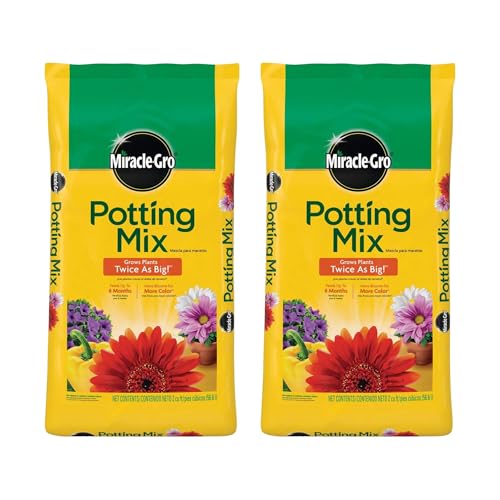
This Miracle-Gro potting soil mix is presented in a larger 2-cubic-foot bundle, tailored for container plants but also adaptable for flower beds when used to prep planters, raised beds, or as an initial amendment in bed edges. It claims up to six months of feeding, encouraging bigger, more colorful displays. The product highlights include the potential to support a wide array of plant types—from annuals to perennials and shrubs—across both indoor and outdoor settings.
Verdana Coco Coir Potting Soil Brick

Verdana Coco Coir Brick provides a peat-free option that expands when hydrated, offering a sustainable alternative for potting mixes and bed amendments. Coco coir improves drainage and aeration, which is beneficial for root health in flower beds with variable moisture. It’s particularly suitable for gardeners seeking a renewable, soil-friendly component that can be mixed with other amendments to tailor moisture retention and texture for blooms.
Rosy Soil Indoor Potting Soil
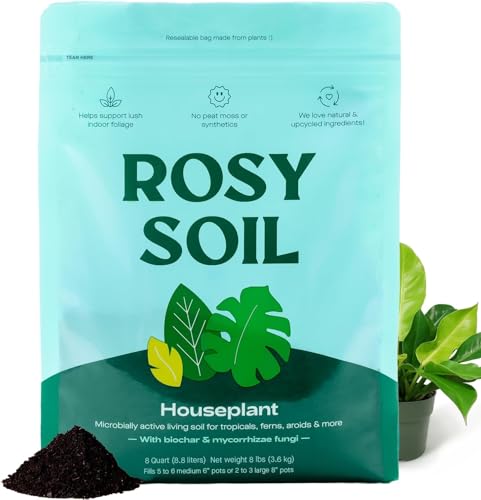
Rosy Soil Indoor Potting Soil focuses on fostering indoor plant health with a biochar-enriched formula and peat-free composition. While primarily marketed for houseplants, its balanced moisture retention and soil biology can be advantageous when used as a bed amendment or contained planting within decorative garden features. The formulation targets robust foliage and flowering potential while staying mindful of pests and gnats often associated with indoor soil ecosystems.
Buying Guide: Key Purchase Considerations For Flower Beds
- Organic vs. conventional: Organic blends with compost, earthworm castings, and mycorrhizae support long-term soil health and microbial activity, beneficial for bed gardens. Consider blends with minimal synthetic additives for a sustainable garden.
- Moisture balance: Choose soils that balance drainage and water retention suitable for your climate. Rose beds and perennial borders often benefit from balanced moisture management to prevent root rot and drought stress.
- Texture and particle size: Fine blends are ideal for seed starting and delicate flowers, while coarser mixes improve aeration and drainage for established plantings and heavy feeder species.
- Nutrient longevity: Soils with extended feeding (up to several months) reduce the frequency of top-dressing, but you may still need periodic fertilizer depending on plant types and soil life.
- Compatibility with containers and beds: Some products are explicitly designed for container use, while others are tailored for in-ground beds. For mixed beds with planters, you may blend potting mixes with bed soil for best results.
- Root health support: Look for mycorrhizae, worm castings, and biochar or kelp derivatives that can promote robust root systems and resilience against transplant shock.
- Environmental considerations: Peat-free or coco coir-based options support sustainable gardening practices and reduce reliance on peat bog ecosystems.
When selecting a bagged soil for flower beds, match the product’s intended use to your garden layout and plant palette. For borders with heavy flowering, blends emphasizing drainage and balanced nutrients help blooms thrive without persistent soil saturation. For beds that intermix vegetables or herbs, an organic base that supports soil biology can provide versatile nutrient delivery. In containers placed within or adjacent to flower beds, consider larger-volume mixes with extended feeding to minimize maintenance while maximizing visual impact.
By evaluating texture, nutrient delivery, and environmental sustainability, you can choose a bagged soil that supports a thriving, colorful display in American flower beds throughout the growing season.