Choosing the right bark ground cover depends on your plant type, environment, and maintenance goals. This guide highlights five bark products that excel as soil covers, drainage enhancers, and decorative components for homes and gardens. Each option is suited to different buyers—indoor potted plants, terrariums, outdoor landscaping, and reptile habitats. Read on to compare suitability, benefits, and limitations to help you pick confidently.
| Product | Best For | Key Benefit |
|---|---|---|
| Rio Hamza 100% Natural Pine Bark Mulch Nuggets (8 Quarts) | Indoor and outdoor containers; soil supplements | Enhances drainage and appearance; water retention |
| CJGQ 9 qt Organic Orchid Potting Bark | Orchid pots and root-friendly mixes | Air-filled voids promote root oxygen and drainage |
| Zilla Reptile Terrarium Bedding Bark Blend | Terrariums and tropical habitats | Heat and moisture transfer; pest-free |
| Mosser Lee Brown Forest Bark Soil Cover (1.5 qt) | Orchids, terrariums, crafts | Versatile soil cover with natural look |
| Pine Bark Mulch (Tomotato, 250g) | Ground cover for gardens and indoor plants | Moisture retention and soil enrichment |
Rio Hamza 100% Natural Pine Bark Mulch Nuggets

Best for: Indoor potted plants, balcony containers, and soil-improvement mixes. This mulch is all-natural with no added fertilizers or pesticides, making it suitable for sensitive houseplants and terrariums. It provides drainage, enhances appearance, and helps with water retention while blocking pests. Use it as a decorative top layer or as a soil barrier to reduce weed growth inside containers. A potential limitation is the smaller quart quantity, which may require more frequent replenishment in active outdoor beds.
CJGQ 9 qt Organic Orchid Potting Bark

Best for: Orchid pots and root-development projects. Bark chips range from 1/2″ to 1″ and create an ideal substrate with ample voids for air flow and drainage. This natural material supports orchid root growth and moisture management, making it ideal for moisture-sensitive plants. Better for dedicated orchid setups than general ground cover, given its specific substrate advantages. Limitation: not a broad landscape mulch; its niche focus means it may be less versatile for mixed plantings.
Zilla Reptile Terrarium Bedding Bark Blend, 8 Quart

Best for: Tropical and forest-dwelling reptile habitats and terrariums. The bark blend promotes heat and moisture transfer, creating a comfortable microclimate for reptiles. It is oven-dried to reduce pests, contributing to a clean habitat. Choose this if you need a natural-looking substrate with pest-control steps. Caution: verify suitability with your species’ substrate preferences, as some reptiles require specific humidity or particle sizes.
Mosser Lee Brown Forest Bark Soil Cover
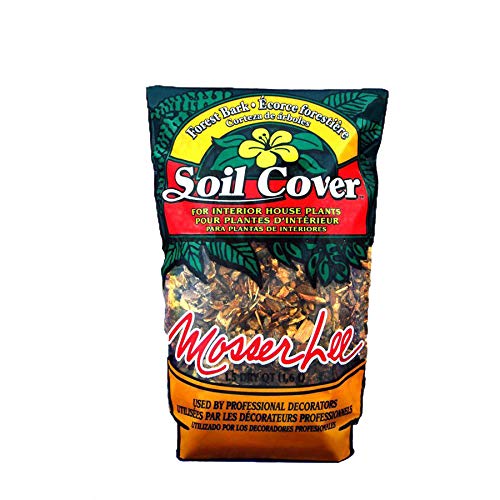
Best for: Orchids, terrariums, and arts-and-crafts projects. This bark cover provides a natural aesthetic while delivering mulch-like benefits such as moisture management and soil protection. It is a versatile option when you want a decorative yet functional ground cover for mixed-use setups. Limitation: smaller bag size may necessitate more frequent topping in larger plantings.
Pine Bark Mulch By Tomotato

Best for: Landscaping, pet bedding, indoor plant ground cover, and craft projects. This mulch keeps landscaping tidy, enriches soil, and locks in moisture, making it a practical all-around option for homeowners. Consider this for busy plant lovers who want a low-maintenance ground cover that doubles as reptile terrarium substrate. Limitation: not all sizes or particle ranges may suit every plant type; check particle size compatibility with sensitive species.
Buying Guide: Bark Ground Cover Essentials
What should you consider when choosing bark ground cover?
- Intended use: Indoor container plants, outdoor landscapes, terrariums, or mixed displays require different bark particle sizes and moisture characteristics.
- Moisture management: Bark with good aeration and voids promotes drainage and root health, while finer bark holds moisture longer.
- Organic content and additives: Choose products with no added chemicals if you plant edible herbs or houseplants that are sensitive.
- Durability and maintenance: Some options, like rubber-based nuggets, last longer but may have different maintenance needs than natural bark.
- Particle size: Smaller chips work well in pots with limited space; larger chunks are nicer for outdoor beds and terrariums for airflow.
- Avoidance considerations: Certain reptile species require specific substrates; verify compatibility before use.
Quick Comparison: What To Pick By Scenario
- Indoor containers and soil health improvements: Rio Hamza Mulch Nuggets, Tomotato Pine Bark Mulch.
- Orchid care and root development: CJGQ Orchid Bark.
- Terrariums and reptile habitats: Zilla Bark Blend, Mosser Lee Bark.
- Decorative and craft projects: Mosser Lee, Tomotato, and BYHER alternatives (not in this set).
Frequently Asked Questions
- How often should bark ground cover be replenished? Replenishment frequency depends on environmental conditions, plant size, and watering; schedule topping as needed to maintain appearance and effectiveness.
- Can bark mulches be used in vegetable beds? Yes, but choose coarsely sized bark and ensure it won’t introduce weed seeds or pests; monitor soil moisture closely.
- Is natural bark safe for indoor air quality? Generally safe for indoor use when dust is minimized and the material is free from chemical additives; rinse or pre-wash if moisture is a concern.
- Which bark is best for orchid roots? Bark that provides good aeration and drainage, such as orchid-specific bark blends, supports healthy root development.
- Do rubber nugget mulches affect soil pH? Rubber-based mulches are typically inert; they do not significantly alter soil pH but verify with your soil test before long-term use in sensitive beds.
- Are bark mulches good for pest control? Some options can act as a physical barrier and reduce pests; however, they are not a substitute for integrated pest management when infestations are present.