Bay leaf seeds for planting offer a simple path to fresh, aromatic herbs right from your garden. This guide highlights five ready-to-grow options, showing who each product suits best and why. Whether you want a ground-hugging shrub, a hedge-worthy starter, or compact seeds for containers, this list helps you pick the right starting point for your climate and space. The top picks include seeds and live plants that suit outdoor planting, containers, and culinary use. Use the summary table to compare key features at a glance.
| Product | Best For | Variety | Format |
|---|---|---|---|
| Mediterranean Bay Leaf Live Plant (2 Plants in Cup) | Best for immediate outdoor ground planting | Laurus nobilis | Live plants |
| 1 Bay Laurel Starter Plant (3.5” Cube) | Best for hedges, borders, or containers | Laurus nobilis | Starter plant |
| Mediterranean Bay Leaf Live Plant (2 Bay Laurel Plants in Sac) | Best for ground planting and larger growth | Laurus nobilis | Live plants |
| Sereniseed Organic Herb Seeds 10-Pack | Best for growing from seed and diverse herbs | Herb seeds (basil, cilantro, oregano, etc.) | Seeds |
| Soeos Bay Leaves Whole | Best for dried leaves and cooking pantry use | Laurus nobilis | Dried leaves |
Mediterranean Bay Leaf Live Plant — Ground Planting Outdoor
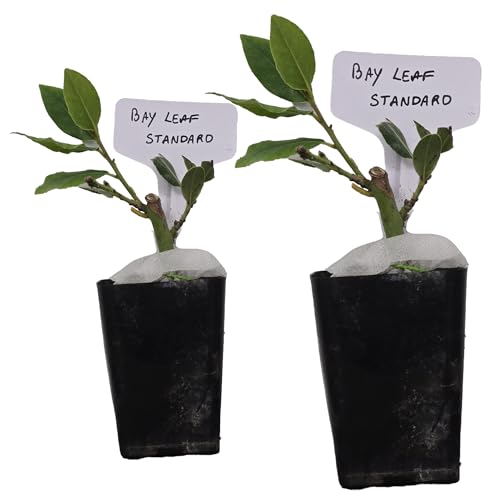
This product is a live bay laurel plant, typically grown from seed but sold as two bay laurel plants in a cup. It is described as larger with smaller, fragrant leaves and is best suited for outdoor ground planting where it can grow rapidly and form a larger tree. It suits buyers seeking a fast-growing, traditional bay for fresh leaves in cooking. It is not ideal for small containers if you want a compact plant, as it tends to spread and grow larger over time. Consider available sun exposure and hardiness zones (outdoor use up to zone 8–10 recommended).
Mediterranean Bay Leaf Live Plant — Ground Planting Outdoor (2 Bay Laurel Plants in Sac)

This is another two-plant live-bay laurel offering pitched for ground planting. It emphasizes similar characteristics to the first live plant—faster growth and larger tree potential, with robust flavor. Best for buyers who want a ready-to-plant option for an outdoor bed or larger container setup. Note that space and climate will determine how large the plant can become; it’s less suited for very small containers if you’re aiming for a hedge or topiary early on.
Sereniseed Organic Herb Seeds 10-Pack

These Sereniseed seeds are USDA organic and non-GMO, offering ten culinary herbs in one pack. While not exclusively bay leaf seeds, this kit is ideal for gardeners wanting to diversify with bay laurel-like options and other herbs. It’s best for beginners or cooks who prefer growing a variety of herbs from seed. Use this kit in sunny beds, in containers, or in small plots. The package emphasizes high germination and organic integrity, making it a strong choice for eco-conscious growers. A potential limitation is that bay leaves come from a tree, so some herbs in the kit may not produce bay leaves themselves.
Soeos Bay Leaves Whole — Dried Leaves

These dried bay leaves are sold for cooking, offering a pantry-ready option. They present a straightforward alternative for buyers who want to season dishes without growing bay trees. Best for culinary use and immediate flavoring. A limitation is that dried leaves may not provide the same aroma intensity as freshly harvested leaves from a home plant, though they store well and have a long shelf life.
Buying Guide: Bay Leaf Seeds For Planting
- What is my growing space? If you have outdoor ground space, a standard bay laurel plant or live bay laurel in ground-ready form is ideal. For patios or apartments, start with a starter plant or container-friendly, compact options.
- What climate do I live in? Bay laurel grows well in zones 8–10 outdoors. In cooler zones, choose containers and move indoors during cold seasons, or grow from seeds with indoor placement until outdoor conditions are favorable.
- Seed vs. plant: Do you want to grow from seed or have an instant plant? Seeds offer variety and long-term growth, but starter plants give faster results for harvestable leaves in the first year.
- Space for growth: Bay laurel can become tall and wide. Plan hedge or landscape use if you want a formal look, or keep it in a container to control size.
- Care and maintenance: They prefer full sun and well-draining soil. Regular pruning helps maintain desired shape and encourages denser foliage, which yields more leaves for culinary use.
Frequently Asked Questions
- Are bay leaf seeds easy to grow indoors? Yes, but bay laurel trees generally prefer outdoor growing for best growth. Seed starting indoors is possible with adequate light and proper containers, then moved outside when ready.
- What climates are best for bay laurel? Zones 8–10 suit outdoor planting. In cooler climates, use containers and bring plants indoors during winter.
- Can I eat the leaves from container bay laurel plants? Yes, leaves are edible and commonly used fresh or dried in cooking, though flavor intensity varies with plant age and harvest.
- Do dried bay leaves lose flavor over time? They lose potency over very long storage, so use within a reasonable period for best aroma.
- Is bay laurel suitable for hedges? Yes, bay laurel can be shaped into hedges or used as ornamental topiary with regular pruning.
- What is the best seed kit for beginners? A seed kit with organic, non-GMO herbs and high germination rates is ideal for beginners seeking diversity and reliable germination.