Find effective bee deterrents that protect nectar for hummingbirds without harming bees. This guide compares five products designed to reduce bee interference, ants, and other pests around feeders. It helps backyard birdwatchers, patio gardeners, and casual feeders choose the right solution for their setup. Each option targets bees or other pests while keeping hummingbird nectar accessible. The summary table below highlights the key distinctions to aid quick decisions.
| Product | Best For | Key Benefit |
|---|---|---|
| Donaldson Farms Hummingbird Feeder Bee Repellent Spray | Patio gardeners and casual feeders | Natural spray to reduce bee presence around feeders |
| C’ANT Ant and Bee Repellent for Nectar Feeders | Multiple pest deterrence | Repels ants, bees, and wasps; good for pole setups |
| Mighty Mint Peppermint Oil Sprays | Indoor/outdoor general pest control | Plant-based deterrent with broad insect coverage |
| Sapphire Labs Nectar Fortress Ant Guard for Feeders | Direct ant protection | Natural gel ant barrier for feeders |
| Perky-Pet Bee Guards Replacement | Bees-out protection for specific models | Easy-to-clean guards that block nectar access |
Donaldson Farms Hummingbird Feeder Bee Repellent Spray

The product is best for outdoor patio setups where bees frequently gather near hummingbird feeders. It is described as a gentle bee repellent that helps reduce bee presence without harming the bees, supporting bee-friendly birdwatching. It is suitable for frequent applications during the feeding season to maintain a bee-free zone around the nectar. A caution is to avoid spraying directly into feeding holes to prevent nectar contamination.
Who it’s best for: Homeowners with active bee activity around feeders who prefer a citrus-scented, natural spray. Choose this if you want a simple spray method and regular reapplication to maintain deterrence.
C’ANT Ant and Bee Repellent for Nectar Feeders

Best for multi-pest deterrence, this product protects hummingbird and oriole feeders from ants, bees, and wasps. It suggests applying at the bottom of the pole to deter ants and using around pots or sills for broader insect control. It’s a good choice when ants are a major issue along with bees. A limitation is that effectiveness may vary with environmental conditions, and direct nectar contact should be avoided where possible.
Who it’s best for: Gardeners facing both ant and bee interference who want an all-around guard. Choose this if you need an all-purpose barrier around feeders and adjacent structures.
Mighty Mint Peppermint Oil Spray
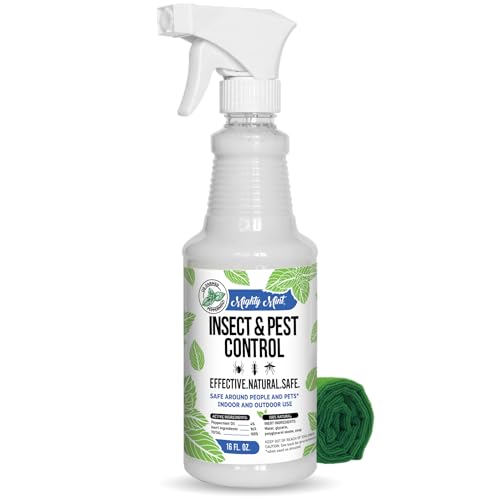
Best for pet-friendly indoor and outdoor pest control with a plant-based formula, this spray uses peppermint oil for deterrence. It is effective against spiders, ants, roaches, and similar insects, and is designed for use around entryways and patios. A caution is that it is not recommended for use around birds, including hummingbirds, so consider surrounding areas rather than direct feeder surfaces when birds are present.
Who it’s best for: Households seeking a natural, plant-based option for general pest deterrence who can avoid direct application near nectar. Choose this if you want a broad repellent and can safely prioritize bird safety around feeders.
Sapphire Labs Nectar Fortress Natural Ant Guard (Two Pack)

Best for direct ant protection around nectar, this dual-pack gel ant guard wards off ants and keeps the nectar uncontaminated. It’s suitable for poles or hooks and can be used with or without an ant moat. It also has broader listed uses like protecting pet bowls or outdoor items. A limitation is that gel-based guards require proper application to maintain a barrier and may need reapplication after weather exposure.
Who it’s best for: Feeders plagued by ants that want a long-lasting barrier on feeder poles or near nectar. Choose this if ant access is the primary concern and you want an easy gel solution.
24 Pcs Bee Guards for Hummingbird Feeders

Best for compatibility and bulk replacement needs, this silicone guard set fits 1/4 inch feeder ports and helps block access to the nectar by bees and other insects. The flexible fit accommodates slight port size variations, and the package includes 24 guards. A caution is to verify feeder port size before purchase to ensure a proper fit. This option is ideal for repeat replacements or multiple feeders.
Who it’s best for: Careful shoppers who want a bulk, low-maintenance barrier solution for several feeders. Choose this if you need multiple guards and reliable replacement parts over time.
Sapphire Labs Nectar Fortress Ant Guard (Single)
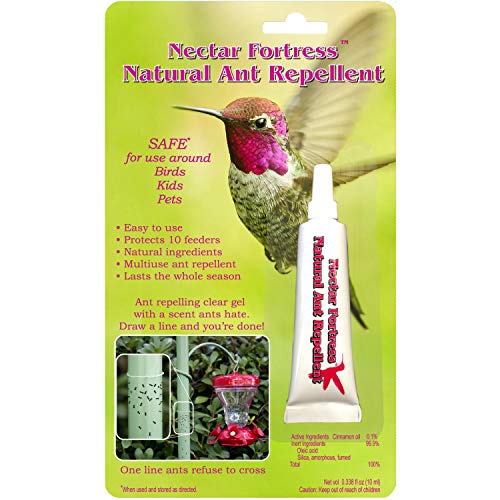
Best for a dedicated single-feeder setup, this single-pack gel ant guard creates a barrier that helps keep ants away from nectar. It can be used on poles or hooks and supports a cleaner feeder environment. A limitation is that single-use packaging may require frequent replacement if exposed to harsh weather.
Who it’s best for: Individuals with a single feeder looking for a dependable, gel-based barrier. Choose this if you want a straightforward, one-feeder solution without committing to a bulk pack.
Buying Guide: Key Considerations for Bee and Insect Deterrence Around Hummingbird Feeders
- What pests are most common around your feeders? Bees, ants, wasps, and spiders each require different strategies. Consider products that target your specific issue.
- Where will you place the deterrent? For guards, install on feeder ports, poles, or nearby surfaces. Avoid applying directly inside feeding holes unless specified safe for nectar.
- Safety for birds and pets. Some products are not recommended near birds or pets. Prioritize pet- and bird-safe solutions and follow label directions exactly.
- Port compatibility and fit. For guards, ensure the product fits your feeder’s port size (1/4 inch is common). Check packaging for compatibility notes.
- Application frequency and weather impact. Natural repellents may require more frequent reapplication in rain or wind. Plan a seasonal maintenance schedule.
- Maintenance and cleaning. Replaceable guards and easy-to-clean designs help keep feeders hygienic. Consider ease of cleaning when selecting a product.
FAQ
- Are bee deterrents safe for hummingbirds? Most products are designed to deter bees without harming bees, but avoid direct contact with nectar and follow usage instructions.
- Can I use plant-based sprays near hummingbird feeders? Yes, as long as they are labeled safe for outdoor use around birds and do not contaminate nectar.
- Should I combine multiple deterrents? It depends on the infestation. Combining products that target different pests can improve results, but ensure compatibility and avoid over-application near nectar.
- How often should I reapply guards or repellents? Reapply as directed by the product label, especially after rain or strong winds to maintain effectiveness.
- What is the best overall option for ants around feeders? Gel-based ant guards or bottom-pole repellents are commonly effective when ants are a primary issue.
- Will these deterrents affect nectar freshness? Nectar-focused guards and barriers help reduce contamination, but always ensure nectar remains clean and replace nectar as needed.