Black river rocks offer a clean, modern backdrop for outdoor spaces while helping with drainage and moisture retention. This guide highlights five well-suited options for landscaping, containers, and decorative features. It targets buyers building plant displays, pathways, fountains, or indoor plant arrangements who want a natural, low-maintenance look. The table below summarizes key choices to compare at a glance.
| Product | Approx. Size | Weight | Best For | Notes |
|---|---|---|---|---|
| YISZM 40lbs Large River Rocks | 3-4 inches | 40 lb | Large pathways, ponds, fountains | Hand-picked, natural, smooth surface |
| Mulctun 45LB Polished Black Pebbles | 1/4″ – 3/4″ | 45 lb | Top layer in pots, decorative gravel | Wax-coated for color longevity |
| Pulovin 40 lbs Black Stones | 3-4 inches | 40 lb | Plants, walkways, containers | Premium polish, versatile use |
| FANTIAN 40 lbs Black River Rocks | 2-3 inches | 40 lb | Indoor planters, planters, gardens | No dyes, natural rocks |
| TOPEMAI Black River Rocks | 1-2 inches | 15 lb | Vase fillers, small pots, edging | Polished, affordable small option |
YISZM 40lbs Large River Rocks for Landscaping
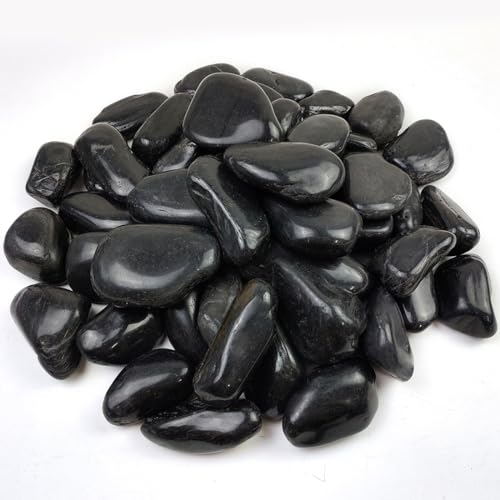
Best for bold landscape accents in large outdoor areas. These 3-4 inch stones are hand-picked and highly polished, delivering a smooth surface that stands out in pathways, ponds, and water features. The natural composition minimizes chemical concerns for gardens. Their size makes them an effective focal point for larger designs. Caution: Some stones may show slight cracks, which is common with natural river rocks but can affect appearance in ultra-clean displays.
Mulctun 45LB Polished Black Pebbles
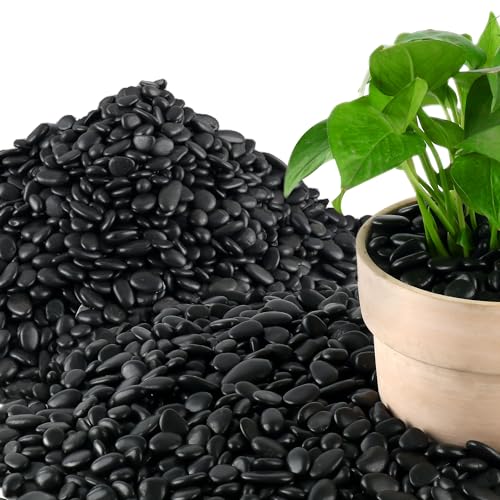
Best for pot toppers and container designs where smaller, uniform pieces are preferred. The 1/4″ – 3/4″ range makes these pebbles ideal for soilcover in pots and planters, aiding drainage and presenting a neat finish. They are polished and wax-coated to maintain color under watering. Caution: Check size specification carefully before purchasing to ensure they fit your display needs, especially for tight vase openings.
Pulovin 40 lbs Black Stones for Plants
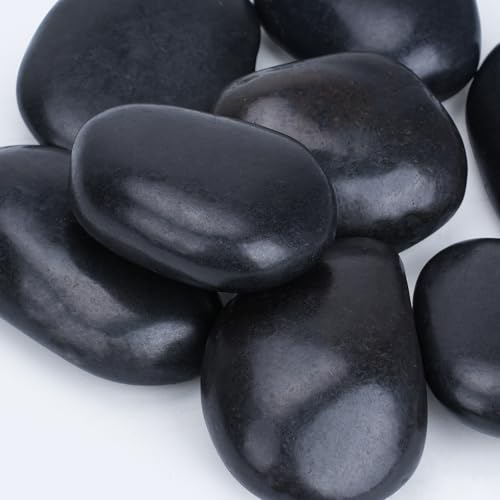
Best for versatile plant displays and outdoor walkways. These 3-4 inch river rocks provide a sleek, pure black look, with a polished finish that adds sophistication to planters, gardens, and water features. They can improve drainage and help soil retain moisture. Caution: Some larger pieces may exceed 3 inches due to natural variation; verify size if you need strict dimensions.
FANTIAN 5 Pounds Black Natural Decorative Pebbles

Best for small-scale indoor arrangements and giftable decor. These 2-3 inch stones are naturally shaped and polished, providing a consistent glossy finish without dyes. They are suitable for vases, small planters, and accent features in living spaces. Caution: Some stones may have uneven surfaces or tiny holes—these are natural characteristics and do not indicate poor quality.
FANTIAN 40 lbs Black River Rocks

Best for larger planters and garden beds that require sustained soil surface coverage. The 2-3 inch stones are natural, non-toxic, and dye-free, with a durable wax coating to preserve color. They help with drainage and moisture retention, adding a permanent decorative layer. Caution: Some larger pebbles may exceed 3 inches due to screening variations; plan for this if precise sizing matters.
TOPEMAI Black River Rocks

Best for edging and small-scale decorative applications where uniformity is desired. These 1-2 inch polished pebbles provide a clean, shiny finish suitable for vase fillers, walkways, and small containers. They are eco-friendly and long-lasting, with a bright appearance. Caution: The smaller size may require more stones to cover a given area, increasing material count in larger projects.
Buying Guide
What size should I choose for my project? For pathways or water features, 3-4 inch stones create bold contrast and require fewer pieces. For plant pots and edging, 1/4″ – 3/4″ or 1-2 inch stones offer a balanced look and better soil coverage. Consider a mix of sizes to add depth.
Polished vs natural: Polished stones have a glossy finish and enhanced color that stays vibrant with water exposure. Natural stones may show more variation in shape and color but provide a truly organic look. If you want a uniform aesthetic, choose polished pieces; for a more rustic feel, natural stones work well.
Indoor vs outdoor use: Indoor planters benefit from stones that won’t shed dye and that are easy to clean. Outdoor setups require stones that resist fading from sun and weather exposure. Ensure your selection matches the environment to maintain color and integrity over time.
Color and texture considerations: Pure black stones create a dramatic backdrop, but consider the surrounding plants and furniture. A mix of matte and glossy finishes can add visual interest. For fish tanks or fountains, ensure stones are non-toxic and thoroughly rinsed before installation.
Durability and maintenance: Most river rocks are durable and low-maintenance. Regularly remove debris and rinse stones to prevent algae buildup in water features. If using wax-coated stones, expect longer color retention and less dust release during cleaning.
FAQ
- Are black river rocks safe for indoor plants? Yes. Choose stones that are non-toxic and cleaned, and place them in contact with soil only after rinsing to remove dust or residues.
- Will the color fade over time? Polished stones with wax coatings tend to retain color longer. Natural stones may show some variation as they age and weather.
- What size is best for a planter? For most planters, 1-2 inch stones work well for top-dressing and drainage, while 3-4 inch stones can serve as focal accents in larger pots.
- Can these rocks be used in aquariums? Some stones are suitable for aquariums if they are non-toxic and properly washed before use. Check product specifics and rinse thoroughly.
- Do these stones help prevent soil erosion? Yes. A layer of rocks on soil surfaces can reduce evaporation, improve moisture retention, and help prevent erosion in exposed areas.
- How many stones do I need for a given area? Estimate area coverage by dividing the area by the average footprint of a single stone. Larger stones reduce the number needed; smaller stones increase coverage count.