Answering both new and seasoned orchid growers, these bloom boosters are designed to maximize flower production, color, and rebloom cycles without overfeeding. The top picks here are best for different grower needs—easy weekly sprays, mix-and-water feeds, or long-lasting slow-release options. Use the table below to compare at a glance and choose the right product for your orchid mix and care routine.
Summary Of Top Picks

- Better-Gro Orchid Plus Bloom Booster: Best overall bloom boost for many orchids; water-soluble and easy to use every fourth watering.
- Organic Ready to Spray Orchid Food Mist: Best organic option; pre-mixed mist for gentle weekly feeding.
- Espoma Organic Orchid! 8-Ounce: Best for organic care lovers; easy dilution and frequent use.
- Miracle-Gro Indoor Plant Food Mist for Orchids: Best for quick, instant feeding and repeat blooming cycles.
- Perfect Plants Orchid Fertilizer Mist: Best balanced foliar feed; suitable for all orchid varieties with weekly spraying.
Better-Gro Orchid Plus Bloom Booster Fertilizer
Best for: Indoor orchid owners seeking a professional bloom boost with a balanced 11-35-15 formulation. This urea-free, phosphorus-rich fertilizer targets blooming vigor and larger flowers. The formulation supports vibrant color and long-lasting blooms when used on a regular watering schedule.
Why selected: It is specifically designed for blooming and is endorsed with a bloom-friendly nutrient profile. It is easy to mix—one teaspoon per gallon of water—and can soak both roots and foliage, improving uptake for many orchid types.
Limitation: The product relies on a fixed schedule (every fourth watering); deviations may affect bloom outcomes if growth phases vary significantly.
Organic Ready to Spray Orchid Food Mist

Best for: Orchid owners who prefer organic inputs and a ready-to-use spray bottle for weekly foliar feeding. Suitable for most potted orchids indoors or outdoors.
Why selected: The product emphasizes organic nutrients and gentle nourishment, reducing the risk of root burn. The ready-to-use spray is convenient for weekly maintenance and can support spike growth and rebloom with consistent use.
Limitation: Organic formulations may provide slower visible results than synthetic blends; results depend on consistent application and environmental conditions.]
Espoma Organic Orchid! 8-Ounce Concentrated Plant Food

Best for: Orchid lovers who want a simple, organic liquid feed with easy dilution steps. Works well for Phalaenopsis and other common orchids.
Why selected: This organic concentrate provides essential nutrients and is easy to use, making it accessible for households with kids or pets. The dilution guidance is straightforward for regular use every 2–4 weeks.
Limitation: As an organic option, results may vary with plant type and environment; consistent watering practices are still essential for optimal results.
Miracle-Gro Indoor Plant Food Mist for Orchids
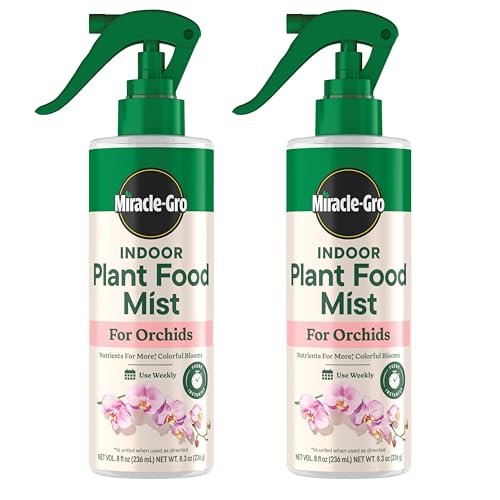
Best for: Orchid enthusiasts who want immediate nutrition and easy repeat blooming support. Especially good for busy homes needing quick impact with minimal effort.
Why selected: The spray delivers nutrients directly to leaves and blooms, closely mimicking natural feeding. It supports multiple orchid varieties and is suitable for frequent use, aligning with common weekly care routines.
Caution: Avoid overuse; follow label directions to prevent leaf burn or salt buildup on sensitive orchid roots.
Perfect Plants Orchid Fertilizer Mist

Best for: Orchids that respond well to frequent foliar feeding and want a balanced mix of nourishments delivered as a fine mist.
Why selected: This fertilizer mist emphasizes a balanced delivery of nitrogen and potassium, promoting leaf shine, new growth, and bloom potential. It is designed for weekly use with no complicated mixing, making it practical for ongoing care.
Limitation: It is a foliar spray; some orchid media prefer root feeding as well. A combination approach may yield the best rebloom results for some varieties.
Buying Guide: Key Considerations For Buying An Orchid Bloom Booster
- Formulation type: Choose between water-soluble liquids, ready-to-use foliar mists, and slow-release pellets. Liquids are quick-acting; sprays are convenient for foliage; pellets offer longer intervals between applications.
- Nutrient balance: Look for phosphorus-rich blends (high middle-number in N-P-K) for blooms. Balanced options with micronutrients support overall plant health.
- Organic vs. synthetic: Organic options are gentler and safer for pets/kids but may show slower bloom improvement. Synthetic blends can drive faster results but require careful dosing to avoid burn.
- Application frequency: Some products are designed for every fourth watering, while others are weekly sprays. Match to your orchid care routine and species needs.
- Orchid variety compatibility: Phalaenopsis and most common orchids respond well to bloom boosters, but some species may prefer specific nutrient levels or feeding schedules.
- Root health and medium: Consider whether your orchid sits in bark, moss, or mix. Some feeds are root-focused, while foliar sprays target leaves and spikes.
- Safety and ease of use: Pre-mixed sprays and easy dilution improve consistency for beginners. Organic options reduce chemical exposure risk.
Frequently Asked Questions
- How often should I fertilize my orchids for blooms? – Follow product directions; common routines include weekly foliar sprays or every two to four weeks of root feeding, depending on growth stage and species.
- Are organic orchid fertilizers better than synthetic ones? – Organic options are gentler and reduce risk of salt buildup, but synthetic blends may provide faster bloom responses in some orchids.
- Can I mix bloom boosters with other plant foods? – It’s best to avoid concurrent feeds unless the product instructions allow it. Use a dedicated orchid bloom booster as directed and skip other feeds during that period.
- What is the best option for beginner orchid growers? – Ready-to-use sprays or convenience blends with simple dilution instructions reduce mistakes and support steady rebloom cycles.
- Should I water before feeding? – In most cases, water first to avoid fertilizer burn, then apply according to the product’s schedule. Always follow label directions.
- Can bloom boosters harm my orchid? – Over-fertilizing can lead to root damage and leaf burn. Use the recommended dose and frequency, and adjust if you notice stress signs.