For gardeners seeking more vibrant flowers and longer-lasting color, bloom-boosting plant foods are a clear choice. This guide highlights five reliable options ideal for a range of flowering plants, from garden beds to containers and indoor blooms. Each product is evaluated for who it’s best for, how it works, and any practical caveats. Whether you grow roses, hydrangeas, petunias, or houseplants, you’ll find a suited bloom booster here.
| Product | Best For | Format | Notes |
|---|---|---|---|
| Miracle-Gro 1-Pound Water Soluble Bloom Booster | Annuals and perennials in containers | Water-soluble | Instant feeding every 2 weeks |
| Miracle-Gro Bloom Booster (4 lbs) | Large containers and in-ground beds | Water-soluble | High-phosphorus formula for more blooms |
| Fox Farm Big Bloom | Organic enthusiasts; flowering & fruiting | Liquid | Contains earthworm castings and bat guano |
| Miracle-Gro Water Soluble Bloom Booster (5.5 lb) | Garden beds and containers; diverse flowering plants | Water-soluble | Instant feeding; may be reapplied every 7–14 days |
| Scotts Super Bloom | Outdoor flowers; beds and containers | Water-soluble | High phosphorus; feeds instantly |
Miracle-Gro 1-Pound Bloom Booster Flower Food

Best for quick, biweekly feeding of flowering plants in pots and small beds. This product provides a high-phosphorus formula to encourage abundant blooms without waiting weeks for color to develop. It’s ideal for gardeners who want reliable, visible results in container plantings and seasonal color for balconies or patios. The formula supports all blooming plants, and users can feed every two weeks during active growth.
Who it’s best for: container growers and annual gardeners seeking fast, consistent flowering. Why selected: compact packaging suits seasonal setups, and the feeding interval is easy to manage. Caution: avoid over-fertilizing in very hot or drought-stressed conditions; follow label directions to prevent leaf burn.
Miracle-Gro Bloom Booster (4 lbs)

This stronger bloom booster is suited for larger garden beds and in-ground containers. Its high-phosphorus formula is designed to drive more blooms and richer color across a broad range of flowering annuals and perennials. It feeds instantly to accelerate color development and is well-suited for gardeners who want a straightforward, standout display by mid-season.
Who it’s best for: gardeners with expansive planters and in-ground beds seeking a color-heavy display. Why selected: the elevated phosphorus supports robust flowering, particularly in beds that host multiple species. Caution: frequent applications beyond label directions can risk salt buildup; use as directed.
Fox Farm Big Bloom

Best for organic enthusiasts who want a natural-feeling fertilizer for flowering and fruiting plants. Big Bloom combines earthworm castings and bat guano to deliver nutrients that support growth across stages, with quick uptake so plants respond promptly. It’s a versatile option for garden beds, containers, and indoor flowering specimens.
Who it’s best for: growers preferring organic inputs and a gentle, natural nutrient blend. Why selected: natural ingredients support soil biology and root development. Caution: as a liquid with concentrated nutrients, it’s important to calibrate dilution to avoid overfeeding sensitive plants.
Miracle-Gro Water Soluble Bloom Booster (5.5 lb)

This broad-use bloom booster is designed for a range of flowering plants, including roses, hydrangeas, and many annuals. It feeds instantly and supports frequent reapplication every 7–14 days, making it suitable for ongoing color in flower beds and containers. The product aims to maximize bloom quantity and color intensity.
Who it’s best for: gardeners who want flexible reapplication timing and broad plant compatibility. Why selected: effective for many bloom-prone species; easy to incorporate into regular feeding schedules. Caution: avoid using on non-flowering or foliage plants where phosphorus may not be needed as aggressively.
Scotts Super Bloom
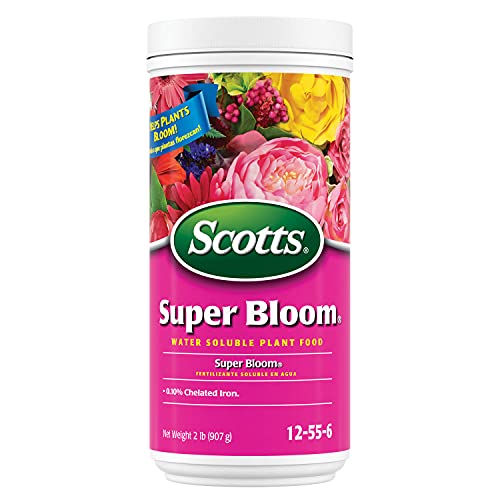
Best for steady, longer-term bloom support. Scotts Super Bloom provides a balanced feed that emphasizes phosphorus to promote blooming while supporting general plant health. It’s especially suitable for roses, annuals, and perennials in beds or containers. It feeds up to two months, helping reduce frequent applications while maintaining color momentum.
Who it’s best for: gardeners who want a dependable, longer-lasting bloom cycle with less frequent feeding. Why selected: aligns well with ongoing flowering programs and larger garden plots. Caution: slower visible results may occur compared with instant-feeding formulas; plan accordingly for peak color times.
Buying Guide: Bloom-Boosting Fertilizers For Flower Power
What should you consider when choosing a bloom booster?
What plant type are you feeding?
Container plants, in-ground beds, and indoor houseplants have different nutrient needs. Bloom boosters with quick solubility are ideal for containers and patios, while larger formats suit garden beds. For organic fans, look for products that emphasize natural ingredients and soil biology.
How often should you feed?
Feeding frequency ranges from every 1–2 weeks to every 2–3 months, depending on the product. If you’re new to fertilizer, start with the recommended interval on the label and adjust based on plant response and weather conditions.
Phosphorus emphasis and bloom intensity
High-phosphorus formulas are common in bloom boosters to encourage flowering. If your plants show strong green growth but sparse blooms, a phosphorus-focused product may help. For foliage-heavy plants, balance phosphorus with nitrogen to avoid excessive vegetative growth.
Organic versus synthetic
Organic options often rely on natural ingredients like earthworm castings or bat guano and may appeal to soil-life enthusiasts. Synthetic, water-soluble formulas typically provide rapid results and precise feeding. Choose based on preference for speed versus soil biology.
Application method
Water-soluble formulas mix with irrigation and are convenient for rapid uptake. Granular or slow-release options reduce application frequency but may require careful watering to prevent root scorch. Follow label instructions for dilution and watering practices.
Seasonality and plant goals
Spring and early summer are peak bloom periods for many flowers. If you aim for a long color display, select products that support repeated bloom cycles across the growing season. For roses or perennials, consider products labeled for those specific plant groups.
Frequently Asked Questions
- What is bloom booster fertilizer? A fertilizer designed to promote more and brighter blooms by providing nutrients, often with higher phosphorus content.
- How often should I feed flowering plants? Most bloom boosters are applied every 1–2 weeks for containers and annuals, or every 2–8 weeks for broader garden use, depending on the product. Always follow the label.
- Can I use bloom boosters with all flowering plants? Most are suitable for a wide range of flowering species, but check label guidance for roses, hydrangeas, or delicate houseplants to avoid overfeeding.
- Should I water after applying a bloom booster? Yes. Watering helps dissolve and distribute nutrients and prevents root burn, especially with concentrated formulas.
- Are organic bloom boosters as effective as synthetic ones? Organic options support soil biology and may offer slower, steady results, whereas synthetic formulas can provide quicker color boosts.
- Is it okay to mix multiple bloom boosters? It’s generally not recommended to mix different fertilizer products. Use one product at a time and follow label guidance to avoid overfeeding.