Find durable, easy-to-install bricks and stone-look edging that transform flower beds and lawn borders. This guide highlights five top picks ideal for American yards, from no-dig options to traditional faux-stone borders. Best for DIYers seeking quick setup and clean edges, and for homeowners who want a low-maintenance border that lasts through seasons. The table below compares key details to help you choose quickly.
| Product | Type | Height | Length |
|---|---|---|---|
| EasyFlex No-Dig Landscape Edging, Brown | No-dig, decorative border | 2.7 in | 15 ft kit |
| EasyFlex No-Dig Landscape Edging, Slate Gray | No-dig, decorative border | 2.7 in | 15 ft kit |
| JYINCPED Landscape Edging, Faux Stone 17 ft | Stone-look border | 2.75 in | 17 ft |
| Beuta Landscape Edging, Greystone 4 Pack | Faux stone bricks | 2.25 in | 47.5 in per pack |
| Emsco Bedrocks 20 ft, Gray | Trim-free slate border | Unknown | 20 ft |
EasyFlex No-Dig Landscape Edging, Brown

Best for quick, trench-free borders around raised beds, trees, and garden beds. This 2.7-inch-tall decorative edging uses anchoring spikes to secure tabs, providing a long-lasting border without digging. Its rigid base allows straight runs, while built-in spines bend for curves or tree rings. Choose this if you want a simple DIY project with reliable stability and a natural brown stone appearance.
Who this is for: homeowners seeking an easy, no-dig solution that can be installed with a rubber mallet. Why selected: the kit emphasizes fast installation, adjustability for curves, and compatibility with various garden shapes. Caution: may require longer installation time for very rocky soil, and some color variation may occur due to manufacturing.
EasyFlex No-Dig Landscape Edging, Slate Gray

Better for cooler-toned, modern landscapes where gray edging complements stone, concrete, or mulch colors. This 2.7-inch-tall border is designed for no-dig installation and features a color that may vary slightly due to the manufacturing process. It maintains straight sections easily while still bending for gentle curves.
Best for: lawns with gray or cool-toned palettes and raised beds. Why selected: similar ease of installation as the brown version with a color that blends with stone or gravel. Limitation: color variation may slightly affect uniformity across long runs.
JYINCPED Landscape Edging, Faux Stone 17 ft

Best for delineating flower beds and lawn areas with a classic stone look. This 17-foot kit uses 2.75-inch-tall panels that mimic natural stone while offering easy no-dig installation. The flexible spines allow curves and tree rings, and you can cut to form corners. Choose this if you want a traditional stone aesthetic with straightforward installation.
Who this is for: garden design enthusiasts who prefer a rustic-stone appearance without heavy masonry. Why selected: long length in a single kit plus a flexible design suitable for curved borders. Caution: ensure soft ground is prepared for spikes to anchor firmly in dry or compact soil.
Beuta Landscape Edging, Greystone 4 Pack

Best for keeping mulch in place and protecting beds from weed-eater damage, with a USA-made assurance. Each pack contains 6 bricks totaling about 47.5 inches of edging. It’s designed to stay in place year-round and provides a neat, tidy border around flower beds and pathways. Choose this if you want a robust border system that minimizes maintenance and weed intrusion.
Limitation: the 4-pack length is shorter per run than some longer kits, so plan for longer borders in one project or combine packs for extended edges.
Emsco Bedrocks 20 Feet, Gray
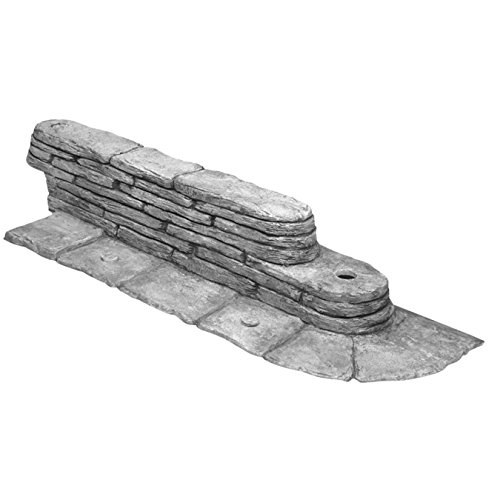
Best for a trim-free mowing experience with a modern slate appearance. This 20-foot edging features a flange design that keeps grass growth away from the border, creating a clean mowing line. The product is DIY-friendly and includes stakes for anchoring. Choose this if you want a sleek, low-maintenance look that reduces edging maintenance during lawn mowing.
Limitation: the exact class of material isn’t specified here; verify compatibility with your soil type when planning long runs, and note that color may vary slightly across batches.
Buying Guide
What edging height should I choose?
- 2.5–3 inches is common for garden borders and flower beds, providing a visible divider without obstructing lawn equipment.
- Lower edges blend with groundcover; taller options work well for raised beds and tree rings.
What installation method suits my yard?
- No-dig options are best for lawns with compacted soil or where you want minimal disturbance.
- Traditional edging with digging offers a more permanent foundation in very loose or sandy soil.
How important is color and texture?
- Stone-look finishes (gray, brown, greystone) pair well with brick, pavers, and natural mulch. Consider flagstone or brick tones for a cohesive landscape.
- Color variation is common in some manufacturing processes; uniformity may vary across long runs.
Material and durability considerations?
- Plastic or composite borders are lightweight and easy to install but may require occasional replacement in high-traffic areas.
- Rugged, faux-stone designs provide a more natural aesthetic and can withstand seasonal shifts with proper anchoring.
Frequently Asked Questions
- What is the advantage of no-dig edging?
It reduces soil disturbance, saves time, and simplifies installation around existing plantings and sidewalks.
- Can edging help prevent weed growth in beds?
Yes, by creating a defined barrier that reduces the spread of mulch and weed seeds into adjacent areas.
- How do I keep edging in place in extreme weather?
Use the included anchoring spikes and ensure the ground is firm; in very loose soil, pre-moisten soil before driving spikes.
- Are there maintenance steps after installation?
Inspect edges seasonally for shifts, especially after freeze-thaw cycles; re-anchor if needed.
- Which edging is best for curved borders?
Edging with flexible spines that bend for curves, such as the EasyFlex and JYINCPED options, are better for curved designs.