This guide presents the best broadleaf herbicides for pastures, focusing on products that control woody plants and invasive broadleaf weeds without harming grasses. It is ideal for ranchers, land managers, and homeowners with pasture, rangeland, or fence-line vegetation issues. The following picks emphasize versatility, year-round use, and proven effectiveness in pasture settings. The summary table helps compare core details at a glance.
| Product | Active Ingredient Focus | Best For | Approx. Use |
|---|---|---|---|
| Southern Ag Amine 2,4-D WEED KILLER | 2,4-D | Pastures and rangeland with broadleaf weeds | Grass-safe application |
| ALLIGARE Triclopyr 4 EC | Triclopyr | Woody plants and brush control in pastures | Year-round flexibility |
| TZONE SE Broadleaf Herbicide | Triclopyr, 2,4-D, Dicamba, Sulfentrazone | Residential/commercial sites and lawns near pastures | Versatile site compatibility |
| Weedar 64 | Broadleaf herbicide blend (Weed Killer) | Large-volume brush and weed control | Bulk use |
| Corteva Remedy Herbicide | Triclopyr | Pastures, fencerows, and rangelands | Long-lasting restoration |
Note: Always follow label directions for use rates, timing, and grazing restrictions. The table above highlights common applications; actual recommendations depend on state registrations and site conditions.
Southern Ag Amine 2,4-D WEED KILLER
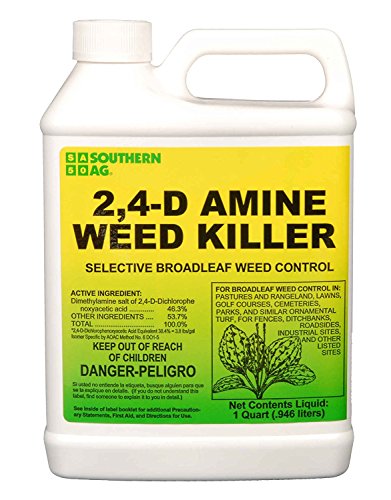
Active ingredient: 2,4-D. Features include a low, economical use rate of 1 to 4 pints per acre and broad broadleaf weed control. Suitable for turf, pastures, rangeland, ditch banks, and fences. Best for pasture managers seeking an economical option for common broadleaf weeds without broad-spectrum turf damage.
Best for: Small to mid-sized pastures needing an affordable broadleaf weed control option. Choose this if you want a simple, economical product with broadweed coverage.
Caution: Effectiveness depends on proper rate and timing; over-application can affect sensitive grasses.
ALLIGARE Triclopyr 4 EC

Active ingredient: Triclopyr 4 EC. Benefits include revival of forests and pastures by targeting woody plants and broadleaf weeds, with year-round application flexibility. Ester formulation supports absorption through leaves and roots, making it effective for brush control without harming grasses in many settings.
Best for: Land managers reclaiming pasture and woodland edges where woody plants are encroaching. Better for areas with brush, which require selective woody plant control.
Caution: Suitable for sensitive areas, but ensure label compatibility with nearby wetlands and non-irrigated ditch banks.
TZONE SE Broadleaf Herbicide
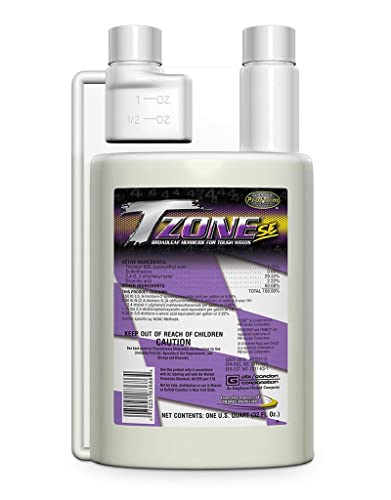
Active ingredients include Triclopyr, 2,4-D, Dicamba, and Sulfentrazone. Designed for residential, commercial, and golf sites, with additional yellow nutsedge suppression. This blend supports broader broadleaf weed management across multiple site types, including near pastures.
Best for: Property owners needing a versatile broadleaf solution capable of site-wide weed suppression, including nuisance grasses like nutsedge. Choose this if you manage multiple site types or need mixed weed control.
Caution: Complex mix may require careful label adherence to avoid non-target damage on delicate turfgrass areas.
Weedar 64 Broadleaf Herbicide

Weedar 64 is a broadleaf herbicide designed for large-volume brush and weed control. It is sold as a 5-gallon package (two 2.5-gallon containers), making it suitable for larger pastures and rental properties needing bulk application options. It targets broadleaf weeds effectively for ongoing pasture maintenance.
Best for: Large pastures or properties where bulk purchases reduce per-acre costs and broaden weed management capability. Better for operators who require substantial seasonal coverage.
Caution: Large-volume storage requires proper handling and compliance with storage regulations; ensure your application zones align with label directions.
Corteva Remedy Herbicide

Active ingredient: Triclopyr. Remedy is formulated for brush and broadleaf weed control in pastures, fencerows, and rangelands with long-lasting restoration characteristics. It is suitable for reclaiming overgrown land and supporting sensitive sites where grass grasses should be preserved.
Best for: Pasture managers looking to reclaim large tracts and improve grazing areas with proven brush control. Choose this for long-lasting vegetation management and restoration of grazing habitats.
Caution: Follow grazing restrictions; label guidance should be adhered to for all livestock-related considerations, especially around sensitive periods and non-dairy animals.
Buying Guide: Key Considerations For Choosing Broadleaf Herbicides In Pastures
- Target weeds: Identify the dominant weeds—broadleaf, woody plants, or brush—and choose products with proven effectiveness against those species.
- Site type: Consider whether the area is a pasture, rangeland, ditch banks, or fence lines, as some products are better suited for sensitive areas or wetlands.
- Active ingredients: Common actives include 2,4-D, triclopyr, dicamba, and sulfentrazone. Blends can broaden spectrum but may increase crop risk near grasses; ensure compatibility with your vegetation.
- Application rate and timing: Economical rates exist (as with 2,4-D) and year-round options (for triclopyr-based products). Align timing with weed growth stages for optimal control.
- Grazing restrictions: Some products have grazing restrictions or require intervals before grazing. Verify label requirements for your livestock system.
- Environmental safety: Consider sensitive areas such as wetlands, ditch banks, and non-irrigated zones. Choose formulations labeled safe for those sites when applicable.
- Bulk vs. spot treatment: Bulk products may save per-acre cost but require larger storage and handling, while spot-treat products offer precision and flexibility.
- Regulatory compatibility: Some products are registered for use in certain states only. Confirm state registrations before application.
Frequently Asked Questions
- What broadleaf herbicide is best for pastures with woody brush?
– Triclopyr-based products (such as Remedy and ALLIGARE) are commonly recommended for woody brush control while preserving grasses. - Can I treat a pasture and still graze animals soon after?
– Grazing restrictions vary by product. Always check the label for grazing intervals and animal-specific guidance. - Are blends of herbicides more effective than single active ingredients?
– Blends can broaden weed control but may require careful management to avoid non-target damage. Follow label directions. - Is timing important for effectiveness?
– Yes. Align treatment with weed growth stage and environmental conditions for optimal uptake and translocation. - Can I use these products near wetlands or ditch banks?
– Some formulations are labeled for sensitive areas; select products explicitly labeled for those sites and follow restrictions. - Do these products harm desirable grasses?
– Many products target broadleaf weeds and woody plants with minimal grass impact when used as directed, but always follow label rates to minimize risk.