If you’re dealing with pests on houseplants, a targeted bug killer can protect your greens without harming your home. This guide highlights five effective products chosen for indoor use, broad pest coverage, and practical application. It’s ideal for homeowners who want simple, ready-to-use solutions. The top picks are best for different plant types, from ornamentals to edible container plants, and for various pest challenges like aphids, gnats, and mites. Below, you’ll find quick comparisons, product highlights, and a practical buying guide to help you decide.
Summary table of selected products
- Bonide Systemic Houseplant Insect Control — Best for systemic protection in containerized plants, low-odor, up to 8 weeks.
- Garden Safe Houseplant & Garden Insect Killer — Best for edible crops and mixed-home gardens, contact kill, usable up to harvest.
- BioAdvanced Houseplant Insect And Mite Control Spray — Best for combined pest and disease defense, indoor/outdoor versatility.
- BioAdvanced Organics Brand Houseplant Insect Killer — Best for fast knockdown with OMRI listing, indoor/outdoor use.
- Kate’s Home & Garden Gnat Control Bundle — Best for fungus gnats and comprehensive kit with traps.
Bonide Systemic Houseplant Insect Control

Best for: containerized houseplants that need long-lasting protection. This ready-to-use granules product is absorbed through the roots and travels through the plant, delivering protection against listed insects for up to eight weeks. It’s a low-odor option suitable for indoor use.
Why selected: It provides systemic protection, reducing the frequency of applications and targeting insects that feed on plant tissues, such as mealybugs, aphids, and scale. It’s effective for ongoing houseplant care where pest pressure is consistent.
Limitations: It targets feeding insects; non-feeding pests may not be affected. Not ideal for quick knockdown of heavy, active pest outbreaks in a single treatment.
Garden Safe Houseplant & Garden Insect Killer2

Best for: homes with edible crops and decorative plants, needing a broad-spectrum, contact-based pest control. The formula kills over 100 listed insects on contact and is approved for use up to the day of harvest on edible crops.
Why selected: It combines broad pest coverage with practical harvest flexibility, making it suitable for vegetables, herbs, and ornamentals in homes, gardens, and greenhouses. This is a strong choice when you want a versatile spray for mixed plant settings.
Caution: For edible crops, plan applications with harvest timing in mind to ensure compliance with “up to day of harvest” guidelines and local usage recommendations.
BioAdvanced Houseplant Insect And Mite Control Spray

Best for: indoor and outdoor houseplants that need comprehensive pest and disease control in one product. The spray targets common pests like aphids and whiteflies and also provides fungicidal protection against powdery mildew and similar diseases.
Why selected: This product offers a combined approach: insect, mite, and disease control in a single ready-to-use spray, which can simplify routines for busy plant owners who manage multiple plant types.
Limitation: As with many multi-purpose sprays, effectiveness depends on proper coverage and re-application cadence to maintain control over pests and diseases.
BioAdvanced Organics Brand Houseplant Insect Killer
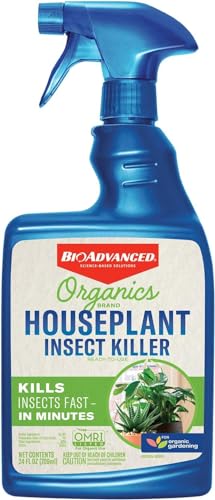
Best for: gardeners seeking fast-acting, OMRI-listed insect control for indoor and outdoor plants. It provides quick pest knockdown while supporting powdery mildew management.
Why selected: The product emphasizes rapid pest control with an OMRI listing, making it attractive to organic-minded growers who still need effective, user-friendly spray application for houseplants, flowers, and shrubs.
Limitation: OMRI-listed products require careful adherence to label directions to maintain organic compliance and avoid crop-specific restrictions.
Kate’s Home & Garden Plant Spray Bundle

Best for: indoor plant owners facing gnats and other small pests, plus a preventative capture strategy with sticky traps. The bundle combines a spray with 12 gnat sticky traps for enhanced control.
Why selected: It targets fungus gnats and other small pests with a natural-leaning formulation, complemented by traps to improve elimination and coverage, making it a practical choice for immediate gnats control and ongoing monitoring.
Limitation: Effectiveness depends on consistent use alongside traps; traps may require replacement if damaged or missing during shipment.
Mighty Mint Peppermint Oil Plant Protection Spray

Best for: plant owners preferring a plant-based, peppermint oil-based option to deter common pests like gnats, spider mites, and aphids, with pet-safe directions when used as directed.
Why selected: The plant-based approach reduces reliance on synthetic pesticides while providing a deterrent effect against multiple pests. It’s suitable for those seeking a more natural defense strategy for home gardens and indoor greenery.
Limitation: As with many natural formulations, frequency and coverage influence efficacy; it may require more frequent applications for persistent infestations.
Bonide Insecticidal Soap Spray
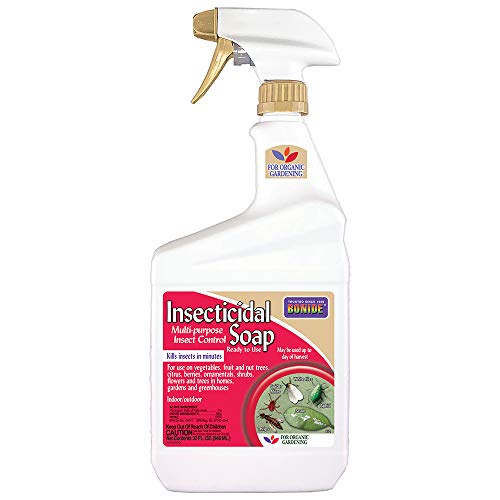
Best for: outdoor and indoor use where a soap-based, contact-kill approach fits the pest profile. It covers a range of pests including aphids, mites, and caterpillars on various edibles and ornamentals.
Why selected: It offers direct contact kill with a broad target range and is suitable for routine maintenance and spot treatments on a wide array of plants, including herbs and ornamentals.
Limitation: Soap sprays can cause phytotoxicity on sensitive plants if misapplied or used in extreme temperatures; always follow label directions for safe use.
Buying Guide: Key Considerations For Choosing Houseplant Bug Killers
- Target pests: Identify the primary pests (aphids, gnats, mites, scale) to select a formulation that effectively controls those species.
- Mode of action: Choose systemic, contact, or combined products based on your infestation severity and plant type. Systemic options require root uptake, while contact sprays act on contact and may require reapplication.
- Indoor use and safety: Prioritize low-odor, safe-for-indoors formulations if you’ll apply near living spaces and pets. Check ingredient notes for toxicity concerns.
- Harvest and edible crops: For edible plants, verify if the product allows application up to the day of harvest and whether it’s suitable for kitchen gardens or home orchards.
- Plant type compatibility: Some products are better for containerized plants, others for a broader set of ornamentals and herbs. Consider whether you need a general spray or a targeted solution.
- Organic and OMRI listing: If organic gardening is important, look for OMRI-listed products and check whether the formulation supports organic growing practices.
- Application cadence: Some solutions require more frequent applications or multiple modes (spray plus traps). Plan a routine that fits your plant care schedule.
Frequently Asked Questions
- What is the best product for fungus gnats indoors?
– A peppermint oil spray or a gnat-specific combination kit tends to work well for fungus gnats, especially when paired with sticky traps. - Can I use any houseplant insect killer on edible crops?
– Only products labeled for use on edible crops should be applied to edible plants. Some products specify harvest timing or restrictions; follow label directions carefully. - Will systemic insect controls harm beneficial insects?
– Systemic formulations primarily affect pests that feed on plant tissues. They may impact pollinators if applied to flowers or in bloom, so apply with care and follow the label. - How often should I reapply plant insect spray?
– Reapplication cadence depends on the product and pest pressure. Follow the label’s recommended interval to maintain control while protecting plant health. - Are natural or plant-based sprays effective for most pests?
– Plant-based options can deter pests and offer safer alternatives, but they may require more frequent applications for persistent infestations. - Should I mix multiple products?
– Mixing is generally not recommended unless explicitly stated on the label. Use products as directed and consider alternating modes if pests persist.