Answering the search for aphid control, this guide compares top plant bug sprays that target aphids while considering safety for common garden habitats. Each product is suited to specific buyers, from home gardeners with roses to indoor plant enthusiasts seeking quick knockdowns. The brief comparison below helps you choose based on plant type, indoor vs outdoor use, and the level of protection offered.
| Product | Best For | Key Benefit | Limitations |
|---|---|---|---|
| BioAdvanced Rose and Flower Insect Killer (24 oz) | Roses and flowering plants | Long protection up to 14 days | May require reapplication after rain |
| EcoVenger Garden Insect Control (16 oz) | Indoor & outdoor plants | Plant-based, versatile for many pests | May require dilution for delicate plants |
| Bonide Captain Jack’s Insecticidal Super Soap (32 oz) | Outdoor gardens and landscapes | Kills by contact and ingestion | Less effective on waxy or hard-to-wreach areas |
| BioAdvanced All-In-One Rose and Flower Plant Care Spray (24 oz) | Roses and flowering ornamentals | Kills pests and helps prevent diseases | Pollinator considerations when spraying—avoid flowering times |
| Garden Safe Insecticidal Soap (32 oz) | Organic gardening, vegetables and ornamentals | Ready-to-use spray for general contact kill | Requires direct contact for control |
BioAdvanced Rose And Flower Insect Killer
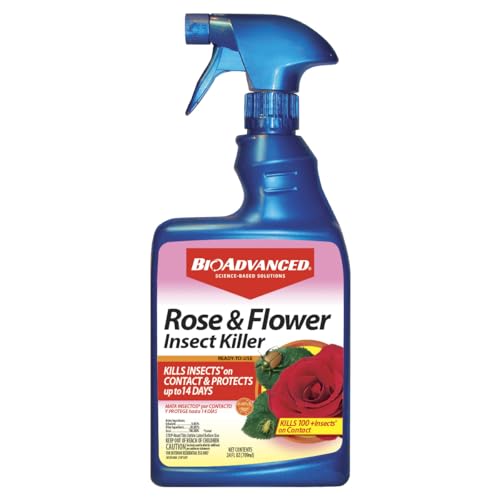
Insect killer that targets 100+ pests on contact, including aphids. Provides up to 14 days of protection and is suitable for roses, flowers, container plants, houseplants, and vegetable gardens. Best for gardeners who want a single spray to cover multiple plant types and want longer protection after application.
Best for: Home gardeners with flowering plants or edible containers seeking quick, broad-spectrum knockdown and moderate residual protection.
Caution: Will need reapplication after rain or heavy irrigation to maintain protection.
EcoVenger Garden Insect Control
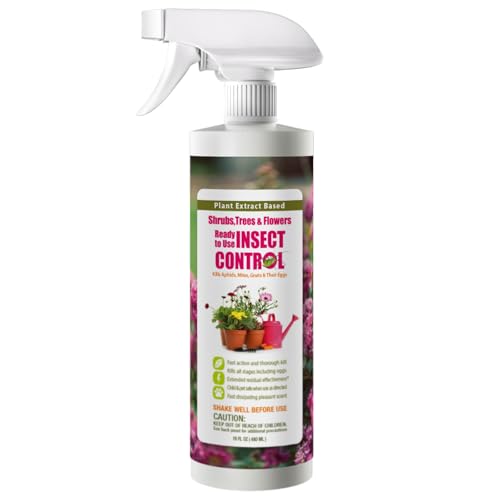
Plant-based spray designed for both indoor and outdoor use. It quickly targets and wipes out aphids, mealybugs, spider mites, gnats, and eggs. Dilute for delicate plants as directed. It also aims to prevent future infestations with regular use.
Best for: Plant owners seeking a versatile, plant-based option that covers a broad pest spectrum and is usable indoors.
Caution: Test on a small area first and dilute as required for delicate plants to avoid leaf burn.
Bonide Captain Jack’s Insecticidal Super Soap

This ready-to-use spray delivers control through direct contact and stomach action, addressing aphids as well as other pests like adelgids, caterpillars, and spider mites. Outdoor use is emphasized, with applicability across vegetables, fruits, and ornamentals. Best for comprehensive outdoor treatment with insecticidal soap.
Best for: Outdoor gardens and landscapes needing a soap-based approach that kills pests on contact.
Caution: Effectiveness can vary on certain waxy or hard-to-reach leaf surfaces; thorough coverage is key.
BioAdvanced All-In-One Rose And Flower Plant Care Spray

3-in-1 formula delivering insect control, disease control, and plant mite control. Provides rainproof protection for up to 14 days. Suitable for roses, flowers, ground covers, vines, ornamentals, shrubs, and trees. Best for gardeners seeking a combined solution for pests and common diseases.
Best for: Flower-focused plant groups that want both pest and disease control in one spray.
Caution: Apply when pollinators are not present to minimize impact on beneficial insects.
Garden Safe Insecticidal Soap

Ready-to-use contact spray designed for organic gardening. Safe for indoor and outdoor use on vegetables, fruit trees, ornamentals, shrubs, flowers, and gardens. Effective when pests are directly sprayed and allowed to contact plant tissues. Best for organic growers needing a simple, direct kill with no mixing.
Best for: Organic gardeners who want a straightforward, ready-to-use soap spray with minimal processing steps.
Caution: Requires direct contact for pest control and may need multiple applications for persistent infestations.
Buying Guide
What kind of gardener are you?
Roses and flowering plants? Indoor plant collections? Outdoor vegetable beds? Matching your garden type to the product helps maximize effectiveness and minimize unnecessary applications.
Do you need rainproof or contact-only protection?
Products with rainproof protection stay active after watering or light rain, reducing reapplication frequency. If you prefer immediate, direct contact kill, choose a product that emphasizes contact action.
Is organic or plant-based preferred?
Plant-based or soap-based formulas are common in organic gardening. If you require an option approved for organic use, review the label for organic compliance and application guidelines.
Indoor vs outdoor use considerations
Indoor plants often require gentler dilutions and closer monitoring for leaf burn. Outdoor sprays may need broader coverage and more robust formulations to handle sun exposure and wind.
Handling flowering plants and pollinators
Some sprays should be avoided during active pollination. Always read the label for timing guidance to minimize impact on beneficial insects and pollinators.
FAQ
- What is the quickest way to control aphids on roses? Use a ready-to-use insecticidal spray labeled for aphids on roses, applying directly to affected leaves and stems for rapid knockdown.
- Can I use these sprays indoors? Some options are labeled for indoor use; follow the label directions and test on a small area first to avoid leaf burn.
- Do I need to reapply after rain? Yes, many products lose effectiveness after rain, requiring reapplication per label instructions.
- Are plant-based sprays safer for pets? Plant-based or soap-based formulations often have fewer harsh chemicals, but always follow label safety guidelines and keep pets away during application.
- Which product is best for organic gardens? Look for products specifically labeled for organic gardening, such as insecticidal soaps, and verify the certification on the label.
- Should I spray flowering plants? Spray when pollinators are not active or when they are less likely to visit the plant to minimize impact on beneficial insects.