Need an effective bug spray for your garden? This guide highlights five top options that cater to common garden pests while aiming to protect edible plants and ornamental foliage. These picks vary in formula, application style, and suitability for organic gardening. They’re best for homeowners who want site-safe products, easy application, and clear pest targets. Below, you’ll find quick product comparisons, usage tips, and buying considerations to help you choose.
Product Comparison At A Glance
| Product | Best For | Key Benefit | Limitations |
|---|---|---|---|
| BioAdvanced Organics Tomato, Veg & Fruit Plant Bug Spray | Edibles and organic gardens | Varied pests including aphids and spider mites; curative for powdery mildew | Ready-to-use, 24 oz |
| Bonide Captain Jack’s Neem Oil | Multi-pest control in organic gardens | Kills all life stages; three-in-one fungicide, miticide, insecticide | 32 oz ready-to-use |
| Sevin Insect Killer Ready To Use | General garden protection | Kills 700+ listed insects on contact | 1 gallon |
| BioAdvanced Vegetable & Garden Insect Spray | Fruit and vegetable gardens | Kills 70+ listed insects on contact | Concentrate, 32 oz |
| Garden Safe Insecticidal Soap | Organic-friendly soap spray | Contact kill; suitable for edibles | 32 oz; ready-to-use |
BioAdvanced Organics Tomato, Vegetable & Fruit Plant Bug Spray
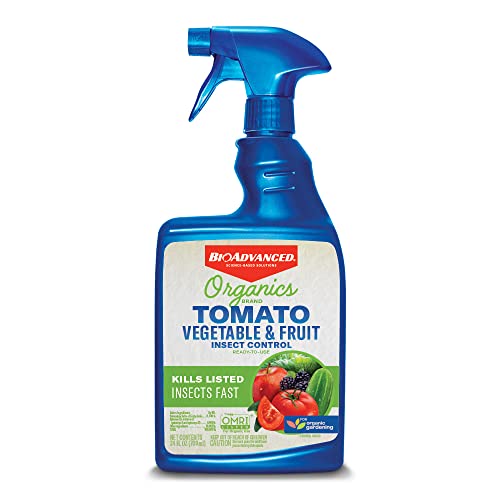
- KILLS LISTED INSECTS FAST by contact to protect edibles, including organic tomatoes, from Aphids, Caterpillars, Mealybugs, Spider Mites and other listed pests.
- CURATIVE CONTROL that helps with powdery mildew; USE ON vegetables, fruit and nut trees, citrus, berries, herbs, and container plants.
- BEST FOR: Gardeners seeking a ready-to-use spray that targets multiple pests on edibles without complicated mixing.
- CAUTION: Follow label directions for edible harvest intervals and reapplication timing.
Bonide Captain Jack’s Neem Oil
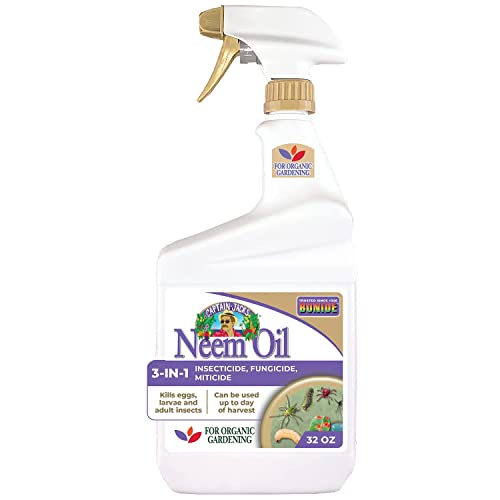
- MULTI-PURPOSE BUG KILLER: Neem oil serves as a three-in-one fungicide, miticide, and insecticide for organic gardening.
- READY TO USE: Comes in a spray-ready bottle; can be applied up to harvest day depending on crop type and label guidance.
- KILLS ALL STAGES OF INSECTS: Effective against eggs, larvae, and adults; also helps prevent fungal issues on plant tissue.
- BEST FOR: Gardens dealing with mites, mildew, and general soft-bodied pests; suitable for holistic pest management.
- LIMITATION: Efficacy can depend on proper coverage and environmental conditions; may require repeated applications.
Sevin Insect Killer Ready To Use

- PROTECTS ROSES AND EDIBLES from listed pests; Kills on contact with over 700 listed insects.
- WON’T HARM PLANTS OR BLOOMS when used as directed.
- BEST FOR: Quick, broad-spectrum control in home gardens and outdoor spaces.
- LIMITATION: Broad-spectrum products can affect beneficial insects; follow label timing and safety guidelines.
BioAdvanced Vegetable & Garden Insect Spray

- KILLS INSECTS BY CONTACT including aphids, caterpillars, thrips, tomato hornworms, whiteflies and 70+ other pests.
- PROTECTS FRUIT & VEGETABLES by applying to edible plants; easy application with mixed concentrate.
- BEST FOR: Vegetable and fruit gardeners needing a reliable, broad pest control solution.
- LIMITATION: As a concentrate, it requires mixing; follow dilution and application instructions closely.
Garden Safe Insecticidal Soap

- READY-TO-USE CONTACT SPRAY with no mixing required; spray undersides of leaves for best effect.
- FOR ORGANIC GARDENING: Suitable for indoors, outdoors, and greenhouses.
- KILLS ON CONTACT and can be used up to the day of harvest on edibles.
- BEST FOR: Quick control of soft-bodied insects without systemic ingredients.
- LIMITATION: Efficacy depends on thorough coverage; may need reapplication after rain.
Buying Guide: Key Considerations For Garden Pest Sprays
Choosing the right bug spray for your garden depends on pest type, crop sensitivity, and whether you prefer organic methods. Consider these practical questions to guide your purchase.
What pest spectrum do you need to cover?
Some products target a broad range of pests (Sevin, Neem Oil), while others focus on specific insects (aphids, mites, caterpillars). If you grow edibles, pick a formula labeled safe for fruits and vegetables.
Do you want a ready-to-use spray or a concentrate?
Ready-to-use sprays are convenient and quick, ideal for smaller gardens or balcony setups. Concentrates save money and allow dilution control for larger plots, but require mixing.
Are organic options a priority?
Neem oil and insecticidal soaps are common organic choices. Look for products explicitly labeled as compatible with organic gardening and intended for edible crops.
Impact on beneficial insects
Broad-spectrum pesticides can affect pollinators and natural pest enemies. Favor selective products when possible or apply during times when pollinators are less active.
Safety, application, and harvest timing
Always read label directions for mixing, dilution, spray coverage, and pre-harvest intervals. Some products allow applications up to the day of harvest, others require waiting periods.
Storage and compatibility
Store pesticides away from children and pets. Ensure compatibility with your existing garden care routine, including any fungicides or fertilizers you use.
FAQ
- What is the best bug spray for edible gardens? Look for products labeled for vegetables or edibles and follow harvest interval recommendations. Neem oil and certain insecticidal soaps are common organic options.
- Can I use bug spray on flowering plants? Yes, but check label directions for plant safety and any restrictions on flowering stages to avoid damage.
- How often should I reapply after rain? Reapplication timing depends on the product; many require reapplication after rain or heavy irrigation, per label guidance.
- Are these sprays safe for pollinators? Some are broad-spectrum; avoid spraying when bees are active if possible, or choose products labeled as pollinator-friendly.
- Should I mix concentrates with water? Yes, concentrates require dilution according to the label to achieve effective and safe application.
- Is a soap spray effective against aphids? Insecticidal soaps can be effective against soft-bodied pests like aphids when applied directly to affected areas.