Keeping houseplants healthy means defending them against common pests without harming people, pets, or the plants themselves. The following options are formulated for indoor use and cover a range of pests—from aphids and whiteflies to mites and gnats. This guide highlights five products, their key benefits, and practical tips for safe application inside homes and apartments.
Summary of chosen products
| Product | Brand | Best For | Key Benefit |
|---|---|---|---|
| BioAdvanced Houseplant Insect & Mite Control | BioAdvanced | Contact pests and mites on indoor plants | Kills on contact; protects against fungal diseases |
| Bonide Insecticidal Soap | Bonide | Broad spectrum, organic-friendly control | Direct contact kill with versatility for many pests |
| Neem Oil Spray for Plants | Smart Grower | Natural, plant-safe prevention | Neem oil with peppermint oil for added benefit |
| Mighty Mint Peppermint Oil Spray | Mighty Mint | Repels common indoor pests | Plant-based, extra-concentrated peppermint formula |
| Garden Safe Houseplant & Garden Insect Killer | Garden Safe | 100+ listed insects, edible crops friendly | Safe for use on houseplants and edible crops |
BioAdvanced Houseplant Insect & Mite Control
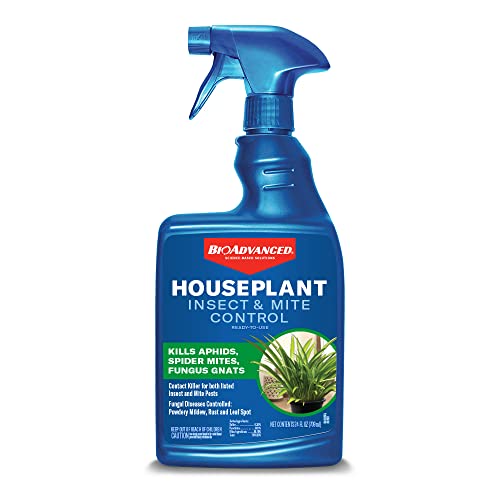
BioAdvanced offers a ready-to-use spray designed specifically for houseplants. It targets common pests such as aphids, fungus gnats, whiteflies, and lace bugs by contact. The product also helps protect against fungal diseases like powdery mildew and leaf spot, expanding its usefulness beyond immediate pest killing. It is particularly noted for its mite control, including spider mites, which can be a challenge for many indoor plants. Thoroughly spray all plant areas, including new shoots and the undersides of leaves, to maximize contact with pests and residues.
Bonide Insecticidal Soap
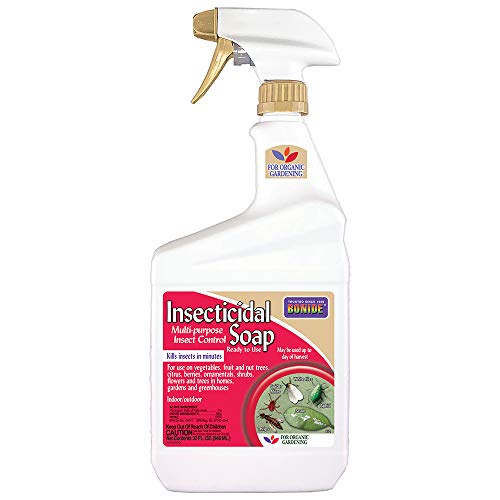
Bonide Insecticidal Soap provides a broad-spectrum, contact-based solution for many common pests. While primarily designed for outdoor use, it is listed here for its versatility in indoor environments as well. The product is effective against pests such as aphids, leaf-feeding caterpillars, and mites when sprayed directly on them. It is designed to work on a variety of plants and surfaces, including herbs and ornamentals. Users should apply thoroughly to affected areas and reapply as needed, following label directions for indoor use.
Neem Oil Spray for Plants

Neem oil sprays are a popular natural option for indoor plant care. This particular product combines neem oil with peppermint oil, offering protection for plant vitality while adding a peppermint scent. Neem oil acts as a repellent and growth disruptor for many pests, and when used as directed, helps curb outbreaks on a range of indoor species. The addition of peppermint oil can provide an extra deterrent and a fresh aroma during application.
Mighty Mint Peppermint Oil Spray
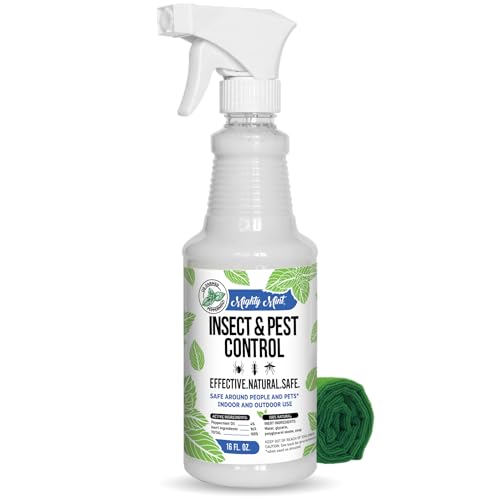
This plant-based spray from Mighty Mint relies on extra-concentrated peppermint oil to deter a broad spectrum of indoor pests, including spiders, ants, and roaches. It is formulated to be safe for homes with pets and children when used as directed, without harsh fumes. The peppermint oil acts as the active deterrent, while the product’s formulation minimizes staining and strong odors. It is suitable for use on baseboards, entryways, and other areas where pests tend to congregate.
Garden Safe Houseplant & Garden Insect Killer

Garden Safe’s insect killer covers more than 100 listed pests and is labeled for use on edible crops up to the day of harvest. It is suitable for homes, home gardens, and home greenhouses, including houseplants. This makes it a versatile choice for households growing a variety of plants indoors, including herbs and vegetables. Users should follow the label for indoor use and apply to affected plant parts for effective results.
Buying Guide
When choosing a bug spray for indoor plants, consider pest type, plant sensitivity, and household safety. Key factors include:
- Pest Scope: Identify whether the problem is aphids, mites, whiteflies, gnats, or another pest, and choose a product with proven efficacy for that pest.
- Plant Compatibility: Some sprays are gentler for delicate leaves or flowering plants. Check label guidance for indoor use and any plant-specific cautions.
- Active Ingredient: Botanicals like neem oil and peppermint oil offer natural options, while synthetic formulations may provide faster knockdown. Balance efficacy with safety for pets and kids.
- Contact vs. Residual Action: Contact killers work on contact; others provide residual protection. Consider how often you can reapply based on plant exposure and watering schedules.
- Hybrid Approaches: Combining a neem- or peppermint-based product with a contact soap can cover multiple pest modes, but avoid over-application that could irritate leaves.
- Edible Crops: If you grow herbs or edible houseplants, ensure the product is labeled safe for edible use and follow withholding periods if applicable.
- Application Method: Look for spray patterns that reach underside of leaves and new growth. Thorough coverage helps ensure pests are contacted and diseases are suppressed.
- Safety and Storage: Keep products out of reach of children and pets. Store in a cool, dry place away from food prep areas.
In indoor environments, starting with a gentle, plant-safe option and monitoring plant response is advisable. For severe infestations, combining products with different modes of action may improve outcomes, always following label directions to protect both plants and household members.