Answering the common search query for gardeners: these products protect plants from pests and disease with ready-to-use formulas. They’re suitable for homeowners with flower beds, vegetable patches, or houseplants seeking quick, effective control. The following picks cover neem-based oils, multi-action sprays, and plant-safe options for organic or conventional gardens. Below is a quick comparison to help you choose.
| Product | Brand | Best For |
|---|---|---|
| Bonide Captain Jack’s Neem Oil | Bonide | Organic gardens, all-in-one pest and disease control |
| BioAdvanced 3-in-1 | Bayer Advanced | Outdoor spaces needing insect, disease, and mite management |
| BioAdvanced Rose and Flower Insect Killer | Bayer Advanced | Roses and flowering plants |
| Mighty Mint Peppermint Oil Spray | Mighty Mint | Plant-based, fragrance-deterrent pest protection |
| Natria Neem Oil Spray | Natria | Houseplants and home gardens needing dual-action control |
Bonide Captain Jack’s Neem Oil, 32 oz Ready-to-Use
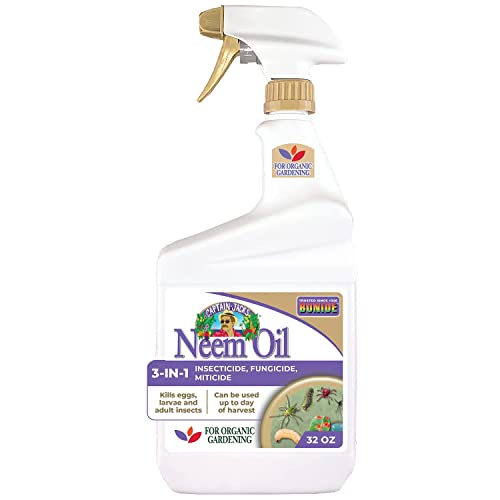
Best for: Organic and natural pest control for a broad range of garden issues. This three-in-one formula acts as a fungicide, miticide, and insecticide, making it a versatile option for mixed pest pressure. The ready-to-use spray bottle simplifies application and is suitable for use up to harvest. It kills all life stages of many insects while helping prevent fungal infections on plant tissues. Caution: Neem oil can have phytotoxic effects on some sensitive plants in hot sun or when over-applied; test on a small area first.
BioAdvanced 3-in-1 Insect, Disease, and Plant Mite Control

Best for: Outdoor spaces with mixed pest pressure including insects, diseases, and spider mites. This ready-to-use spray provides rainproof protection within hours and lasts up to 14 days. Suitable for roses, flowers, ornamentals, shrubs, and trees. It targets common pests like aphids and whiteflies and helps reduce disease spread. Limitation: Apply when pollinators are not active in the area to minimize potential impacts on beneficial insects.
BioAdvanced Rose and Flower Insect Killer
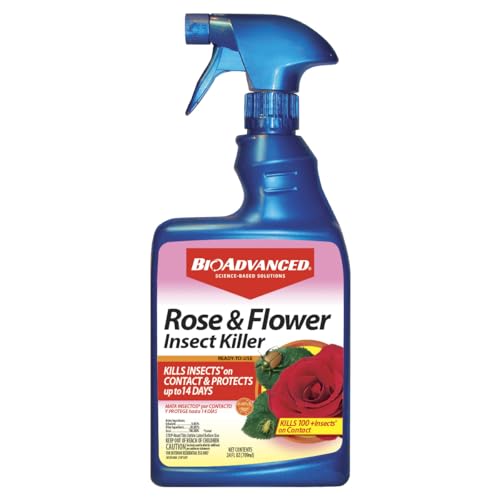
Best for: Roses, flowers, and ornamental plants needing fast contact kill. The formula protects for up to 14 days and is effective against a broad range of pests on contact. Choose this if your primary concern is flowering plants with recurring pest exposure. Limitation: Not all plant species tolerate every spray; spot-test before widespread use on sensitive varieties.
Mighty Mint Peppermint Oil Plant Protection Spray

Best for: Plant-based pest deterrence using peppermint oil-derived protection. It helps guard against gnats, spider mites, aphids, and other common pests while avoiding harsh chemical treatments. This option is suitable for households seeking a natural approach. Caution: Peppermint oil scents can linger; use in well-ventilated areas and away from pollinator-friendly blooms if scent is a concern.
Natria Neem Oil Spray for Gardening

Best for: Houseplants and home gardens needing dual-action insecticide and fungicide. The ready-to-use spray targets aphids, whiteflies, mites, beetles, and powdery mildew, providing disease control alongside pest suppression. Limitation: Neem-based products can cause leaf spotting on some plants under bright sun; apply during cooler parts of the day or test first on new foliage.
Buying Guide
What to consider when choosing a plant bug spray
Identify your primary pest problem (insects, mites, or fungal diseases) and select a product that addresses that issue. Neem-based and multi-action sprays offer broad coverage, while plant-based formulas like peppermint oil provide deterrence without harsh chemicals. Consider whether you need indoor, outdoor, or edible-use labeling and the required frequency of application.
Garden type and plant sensitivity
Houseplants, herbs, and edible crops may require different formulations. Always check the label for compatibility with vegetables, fruit, or flowering plants, and follow dilution or direct-application guidelines to prevent phytotoxicity.
Safety and sustainability considerations
Choose products with environmental or organic suitability if desired. Some sprays may affect pollinators or beneficial insects when used during bloom; plan applications accordingly and apply during appropriate times of day.
Application practicality
Ready-to-use bottles simplify use; consider spray frequency, coverage area, and whether you need a spray that treats a large garden or a single pot. For mixed pest problems, a 3-in-1 product can reduce the number of products needed.
Longevity and re-application
Protection duration varies by product. Some provide up to 14 days, while others require more frequent application after rain or irrigation. Review label guidance for optimal performance and harvest considerations.
Frequently Asked Questions
Q1: Do these sprays work on both pests and diseases?
A1: Yes. Many products combine insecticidal, miticidal, and fungicidal actions, offering broad-spectrum protection for plants.
Q2: Can I apply these sprays to edible plants?
A2: Some formulas are labeled for use on edibles and allow day-of-harvest applications. Always follow the product label, especially for fruit and vegetable crops.
Q3: Are oil-based sprays safe for all plants?
A3: Oil-based solutions can cause phytotoxicity on sensitive varieties in intense sun or heat. Test first on a small area and avoid applying during peak sunlight hours.
Q4: Should I spray during flowering?
A4: If possible, minimize spraying when bees and other pollinators are active. Choose application times that reduce pollinator exposure and, when needed, opt for deterrent or targeted controls.
Q5: How do I choose between neem oil and peppermint oil products?
A5: Neem oil provides broad insect and disease control and is well-suited for organic gardens. Peppermint oil offers a plant-based deterrent with a milder scent, best for pest deterrence rather than broad-spectrum disease control.
Q6: Is mixing required for any of these products?
A6: Some products come ready-to-use; others may require dilution. Always follow the label instructions to ensure safety and effectiveness.