Answering the search intent: these bug zappers are designed to attract and kill flying insects, including bees and other larger pests, with electric grids or UV attractants. This guide highlights five top options that balance effectiveness, safety, and practicality for homes, patios, and yards. Each product is described with who it’s best for, how it works, and any limitations to consider before buying. The focus is on non-chemical, instantaneous elimination to minimize exposure to pesticides while protecting people and pets.
Buying summary table
- GOOTOP Bug Zapper Outdoor – Best for general outdoor spaces and light-duty use
- AVAXO Bug Zapper Outdoor – Best for wide-area coverage and year-round use
- YsChois Electric Fly Swatter – Best for immediate, handheld spot control
- Faicuk Single Layer Grid White – Best for targeted, indoor/outdoor versatility
- Faicuk Single Layer Grid Black – Best for budget-friendly, reliable performance
GOOTOP Bug Zapper Outdoor
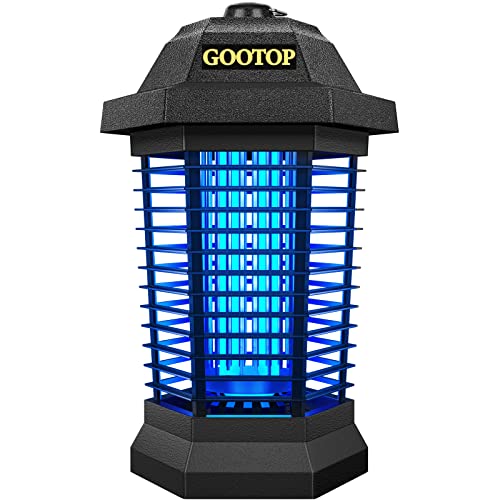
This model uses a high-voltage electric grid to instantly zap a wide range of flying insects, including mosquitoes, gnats, and moths. The bulb light serves as the primary attractant, and the rugged ABS shell is designed for outdoor use. It requires no warm-up time and starts working as soon as it’s plugged in. The design emphasizes physical mosquito control without chemical sprays, making it a good option for households with pets or children. Best for: outdoor spaces and entryways where quick, smoke-free control is desired. Caution: avoid using in full sun or bright daylight where attraction is reduced.
AVAXO Bug Zapper Outdoor
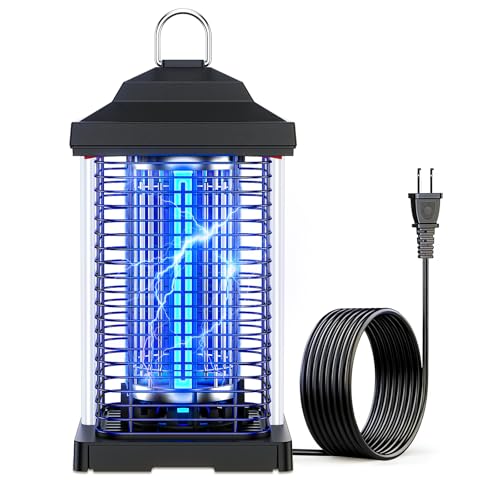
This unit combines a dual-wavelength UV bulb with a high-voltage grid to attract and instantly zap a broad range of flying insects, including mosquitoes and gnats. With IPX4 waterproof rating, it’s designed for both indoor and outdoor use, and its large coverage zone supports patios, backyards, and balconies. It’s best for spaces where light rain or mist could occur, and where a relatively quiet operation helps preserve outdoor enjoyment. Choose this if you need reliable year-round performance and rain resistance. Limitation: ensure drainage and placement avoid water exposure to electrical components.
YsChois Electric Fly Swatter

The YsChois fly swatter uses a calibrated Gold Zone voltage (about 3400V) and a dense 3 mm mesh to maximize contact while minimizing debris splatter. It’s designed for quick handheld use, with an 8.6-inch head that broadens the swat area. Best for: spot-control during outdoor dining or indoor kitchen cleanups when immediate pest suppression is needed. Limitation: performance depends on accurate contact; not a stand-alone attractant, so it works best when pests are already near the device.
Faicuk Single Layer Grid White

This white Faicuk model features a single-layer grid designed to target larger insects such as wasps, bees, hornets, and moths with strong, immediate electric shocks. It runs on batteries, making it easy to deploy in locations without a constant power source. Best for: quick, on-demand deflection of large insects in backyards, campsites, or indoor spaces where corded devices are impractical. Limitation: battery life may curtail long sessions; replace or recharge as needed.
Faicuk Single Layer Grid Black

This black variant mirrors the white model with similar single-layer grid design, optimized for large insects and high-contact effectiveness. It provides battery-powered convenience for portable use and is suitable for indoor-outdoor environments. Best for: affordable, versatile protection where cord access is limited. Caution: ensure the device is used in dry conditions and away from water when operating handheld to avoid short circuits.
Buying Guide
What to consider when choosing a bug zapper for bees and other pests:
- Scope of use: Outdoor spaces benefit from models with wide coverage and weather resistance; indoor or mixed-use spaces favor compact, battery-powered options.
- Attractant mechanism: UV light bulbs are common attractants; some models pair UV with dual wavelengths to improve dusk and night performance.
- Voltage and grid design: Higher voltage grids often lead to faster kill rates but may be more fragile; dense mesh reduces splatter and improves contact efficiency.
- Power source: Plug-in units provide continuous operation; rechargeable or battery-powered units offer portability for patios, camping, or travel.
- Maintenance: Look for replaceable bulbs or long-lasting LED attraction; consider ease of cleaning and debris management to maintain effectiveness.
- Safety: Choose devices with protective housings and keep them away from children and pets when in use. For bees and larger insects, ensure safe handling and avoid placing devices where accidental contact could occur.
FAQ
- Do bug zappers attract bees? Yes, many zappers attract a variety of flying insects, including bees, but attractants are generally weaker for bees than for other urban pests. Best practice is to place zappers away from high-traffic bee areas and use non-chemical methods for bee protection.
- Are bug zappers safe to use around pets? Most models are designed with protective housings, but keep devices out of reach of curious pets and supervise usage in living areas.
- Can bug zappers replace sprays or repellents? They can reduce flying insect presence but may not address all pests; consider integrated pest strategies for best results.
- How do I choose between a handheld swatter and a plug-in zapper? Handheld swatters are ideal for spot control and quick reactions, while plug-in zappers cover larger areas and provide continuous protection.
- What maintenance do these devices require? Regularly clean dead insects from the grid, check for damaged wiring, and replace bulbs or batteries as recommended by the manufacturer.
- Are there ecological concerns with bug zappers? When used as directed, zappers mainly target flying insects; avoid excessive use near flowering plants to minimize unintended impacts on beneficial pollinators.