If you’re planning a vegetable garden, a raised planter box can simplify watering, soil management, and weed control. This guide highlights five top Amazon options that fit different spaces and needs, from balcony herb boxes to large backyard beds. Each pick is evaluated for who it’s best for, why it stands out, and a practical limitation to consider before buying.
| Product | Best For | Why It Stands Out |
|---|---|---|
| Yaheetech 8x2ft Elevated Bed | Larger, modular gardens | Two growing areas with flexible DIY expansion |
| OYEAL 32″ Tall Planter With Trellis | Vertical space on decks or balconies | Integrated trellis for climbing plants |
| Best Choice 48x24x30 Inches | Backyards and patios with deep beds | All-wood construction with ample soil depth |
| SnugNiture Galvanized Raised Bed (2 Pack) | Durable metal planters | Bottomless frame for root growth and drainage |
| Monirsen 57″ Self-Watering Tower | Vertical growth with self-watering | Tower design maximizes space and moisture efficiency |
Yaheetech 8x2ft Elevated Garden Bed
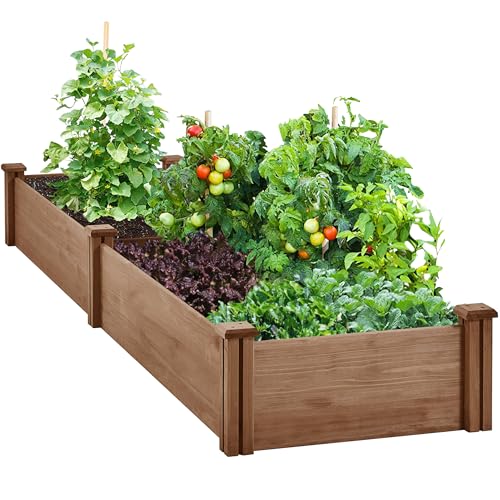
Best for: Larger, modular vegetable plots in backyards or patios. This bed is divided into two planting areas, enabling crop rotation or different plant families in one footprint. The removable divider allows one larger bed when needed, supporting diverse plant layouts.
Why it’s selected: The upgraded corner posts and flexible assembly enable combining multiple beds for expansive gardens. It’s practical for gardeners who want to adapt layouts as plants grow or as needs change.
Limitation: Assembly complexity increases with multi-bed configurations. Ensure adequate space and secure anchoring when expanding.
OYEAL Raised Garden Bed With Trellis

Best for: Balcony, patio, or small yard spaces where vertical support helps plants reach sun exposure. The 32-inch height minimizes bending, while the 11-inch trellis supports climbing vegetables and vines.
Why it’s selected: The vertical support design saves ground space and provides an ergonomic gardening experience for longer sessions. It also integrates a drainage system and removable tray for tidy maintenance.
Limitation: The system relies on a trellis for climbing crops; choose this if you plan to grow tomatoes, cucumbers, or similar plants.
Best Choice Products Raised Bed
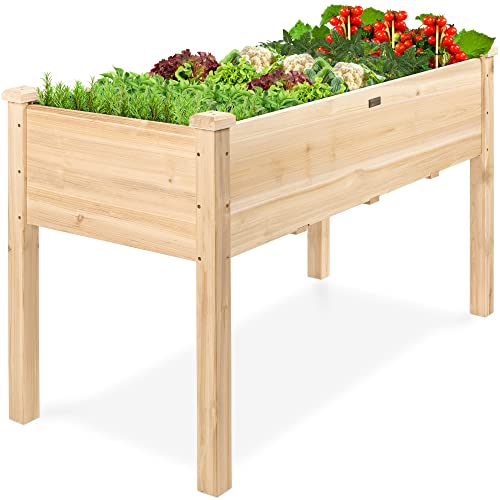
Best for: Gardeners needing a deep, all-wood bed with strong foundational support for a variety of vegetables. The bed’s depth and natural fir wood help promote healthy root growth and stable nutrient storage.
Why it’s selected: The design emphasizes a large planting space and proper drainage, enabling robust plant health and simpler soil management over seasons.
Limitation: Wood will require maintenance over time to prevent weathering; consider sealant or protective finish if used outdoors long term.
SnugNiture Galvanized Bed (Two Pack)

Best for: Gardeners seeking durable metal planters with open bottoms for robust root growth and efficient drainage. Ideal for vegetable plots in a compact footprint or for creating a modular layout with multiple beds.
Why it’s selected: The galvanized coating provides chemical resistance and a clean look, while bottomless framing enables natural root expansion and improved drainage.
Limitation: Metal planters can heat up quickly in sun, which may stress some crops; consider shading options in hot climates.
Monirsen 57″ Self-Watering Tower
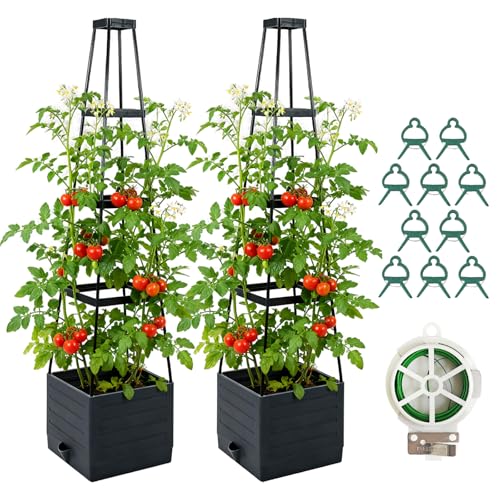
Best for: Vertical gardening enthusiasts who want significant space savings and automated watering for tomatoes, peppers, or climbing herbs. The 57-inch tower combines a planter bed with a trellis element for compact growth.
Why it’s selected: The self-watering feature helps maintain consistent moisture, reducing maintenance while supporting consistent yields in limited spaces.
Limitation: As a taller, modular design, ensure stable placement on wind-prone balconies or patios to prevent tipping in strong gusts.
Buying Guide: Key Considerations For Choosing A Planter Box
- Space and layout: Determine if you need a wide bed, tall/wheeled design, or vertical growth to maximize sun exposure.
- Material durability: Wood is classic and easy to work with; metal lasts longer but can heat up; plastic is lightweight but may wear faster.
- Drainage and water management: Look for built-in drainage, removable trays, or self-watering options to prevent root rot.
- Height and ergonomics: Higher beds reduce bending; consider wheel options if mobility is a concern.
- Assembly and expansion: For modular beds, ensure compatible connections and stable anchoring if you plan to add more units.
- Soil depth and crop types: Deeper beds suit root-heavy vegetables like carrots and potatoes; shallower beds work for leafy greens and herbs.
- Maintenance and weather resistance: Durable finishes and weather-rated materials extend bed life; seal wood to resist moisture if used outdoors long term.
Frequently Asked Questions
- What is the best planter material for vegetables?
– Durability and soil temperature are key. Wood offers good insulation; metal lasts longer but can heat soil; plastic is lightweight but may degrade over time. - Do raised beds require liners?
– A liner is optional; it can prevent soil from escaping and protect wood from moisture, but it may limit drainage in some designs. - How deep should a vegetable raised bed be?
– Most vegetables do well in beds 12–24 inches deep, depending on crop roots and soil volume needed. - Is self-watering worth it for tomatoes?
– Self-watering features help maintain consistent moisture, reducing plant stress and watering frequency in warm climates. - Can I combine multiple planters into one layout?
– Yes. Many modular beds are designed to connect, allowing larger, customized layouts for diverse crops. - How do I prevent root rot in raised beds?
– Ensure proper drainage, avoid overwatering, and use well-draining soil mixtures to promote healthy root systems.