Growing a private, sheltered outdoor space can boost curb appeal and personal comfort. This guide highlights five practical options, including live shrubs for natural screening and durable artificial plants for maintenance-free privacy. Each entry covers setup, growth expectations, and best-use scenarios to help you choose roots-over-rows or a hedge that fits your climate and lifestyle.
Overview of top picks:
| Product | Brand | Type | Key Benefit |
|---|---|---|---|
| Chinese Snowball Bush | DAS Farms | Live Shrub | Seasonal white blooms, adaptable to zones 6-9 |
| One Basket Willow Bush Cuttings | CZ Grain | Live Shrub Cuttings | Fast-growing for quick privacy |
| LYTREWPLANT Boxwood Ball | LYTREWPLANT | Artificial | Low-maintenance evergreen look year-round |
| Ten Pack Pragense Viburnum | DAS Farms | Live Shrub | Evergreen hedge with white blooms |
| White Climbing Rose | YOKEBOM | Live Rose | Fragrant, vertical privacy with bloom texture |
Chinese Snowball Bush For Seasonal Privacy

The Chinese Snowball Bush from DAS Farms is a deciduous shrub suitable for USDA zones 6 through 9 and full sun. It ships dormant and leafs out in spring under proper conditions. This plant should be transplanted directly into the ground rather than a container, with a 30-day success window provided by included planting instructions. California orders are not available due to state regulations. This option is ideal for a seasonal bloom and a natural privacy screen as it grows.
Growth expectations include a moderate to robust canopy during the growing season. While not a year-round evergreen, its white flower clusters create a seasonal privacy veil and visual interest for late spring to early summer. Ensure well-drained soil and consistent watering during establishment for best results.
One Basket Willow Bush Cuttings For Quick Privacy

The One Basket Willow Bush Cuttings from CZ Grain provide fast-growing branches suitable for creating privacy screens or even basket-weaving projects. Sold as cuttings or small shrubs, they are designed to root and produce a dense barrier over time. Plant them about 3 feet apart for an effective hedge. They come with growing instructions and tips, emphasizing their suitability for privacy hedges and even light outdoor furniture uses. These are a dynamic option for rapid visual screening in gardens, yards, or along fences.
Key considerations include sun exposure, soil texture, and spacing. Willows generally prefer moist soil and full sun, with faster growth in rich, well-drained substrates. Regular pruning helps maintain shape and health, especially in wind-prone areas. Expect a noticeable privacy effect within a season or two, depending on climate and care.
LYTREWPLANT Boxwood Ball Artificial Hedge

This artificial kit from LYTREWPLANT features a 27-inch boxwood ball bush with a spike for easy ground insertion. UV resistance helps maintain color in sunny yards, and a built-in spike reduces the effort required for installation. As a maintenance-free privacy option, these pieces are suitable for planters, fences, or borders where live plants aren’t ideal. Use as year-round screening in both front and back yards or near entryways to add instant, evergreen aesthetics without watering or pruning.
Consider the visual density, scale, and placement—artificial greenery can complement real hedges or be used where planting is difficult. While it lacks the ecological benefits of live plants, it provides predictable aesthetics and easy upkeep for busy homes.
Ten Pack Viburnum Privacy Hedge

The Pragense Viburnum hedge offers an evergreen appearance with white spring clusters and optional fall berries. This DAS Farms option ships 1 to 2 feet tall and is suitable for zone 5 to 8. It is presented as a ten-pack, making it feasible to establish a dense privacy screen or hedge quickly. California orders are shipped bare-root as required by state regulations. The variety’s growth is described as fast, with mature heights potentially reaching 10 feet and spreads around 6–8 feet, depending on growing conditions.
Planting considerations include soil adaptability, sun exposure, and spacing. For a solid privacy hedge, plant multiple plants in a staggered row with proper spacing to encourage natural branching. Regular watering during establishment supports vigorous growth and dense screening within a few growing seasons.
White Climbing Rose For Vertical Privacy
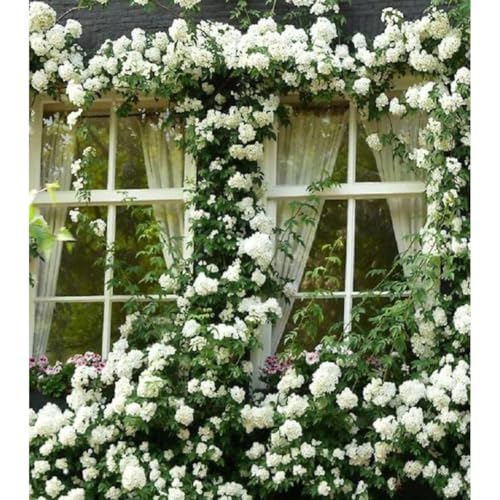
The White Climbing Rose from YOKEBOM is a versatile option for vertical privacy with fragrant blooms. Hardy in zones 4–9, this live plant can be trained along fences, trellises, or walls to create a living privacy barrier. It is starter-sized (5 to 10 inches tall) and dormant in winter, allowing for careful planting in the right season. The rose’s scent and flowering habit add aesthetic value beyond privacy, providing seasonal color and fragrance to pathways or patios.
Key considerations include sun exposure, soil quality, and support structures. Roses require well-drained soil, regular watering, and protection from harsh winds during establishment. Pruning and deadheading encourage ongoing flowering and a tidy screen, but be mindful of disease management in humid climates.
Buying Guide: Key Purchase Considerations For Privacy Screens
- Purpose and seasonality: Choose live shrubs for year-round privacy or artificial options for maintenance-free, year-round screening. Consider whether you want seasonal blooms or consistent greenery.
- Climate and hardiness: Match plants to your USDA hardiness zone and sun exposure. Some live varieties tolerate full sun, while others prefer partial shade or specific moisture levels.
- Growth rate and mature size: Fast-growing hedges fill space quickly but require more pruning. Plan the final hedge height and width to avoid overgrowth and maintenance challenges.
- Soil and drainage: Ensure soil suitability or amend as needed. Adequate drainage prevents root rot and supports healthier growth for live hedges.
- Maintenance needs: Live hedges require watering, feeding, and pruning. Artificial options need occasional cleaning but no watering or fertilizing.
- Placement and spacing: Position hedges to maximize privacy and wind protection. Spacing depends on the plant’s mature width and growth habit.
- Local regulations: Some plants or shipments may be restricted in certain states. Verify local agricultural rules before purchasing.
- Aesthetic goals: Consider leaf texture, bloom color, and overall form. A diverse hedge with varying heights can provide visual interest while maintaining privacy.
In summary, blend options to align with your climate, maintenance tolerance, and privacy goals. Live hedges deliver ecological benefits and seasonal beauty, while artificial screens offer consistent privacy and low upkeep. A combination of both can yield a balanced, attractive, and functional outdoor space.