Answering the question “What cactus soil is best for succulents?” this guide highlights five reliable potting mixes designed to promote fast drainage, airier root zones, and healthy growth for cacti and succulents. Each option suits different buyers—from beginners to seasoned plant lovers who want peat-free or organic blends. The table below compares key traits to help you pick quickly.
| Product | Best For | Peat Content | Drainage Focus |
|---|---|---|---|
| Miracle-Gro Indoor Potting Mix for Cactus and Succulent | Indoor cactus and succulent containers | Contains peat moss blend | Fast drainage with added plant food |
| Rosy Soil Cactus Soil – Organic Succulent Potting Mix | Environmentally conscious growers | Peat-free | Chunky texture for air but strong drainage |
| Back to the Roots 100% Organic Succulent & Cacti Mix (6 Quart) | Indoor/outdoor succulents with organic emphasis | Pee-free / organic | Perlite and sand for rapid drainage |
| Miracle-Gro Succulent Potting Mix | Indoor succulents like aloe and echeveria | Contains peat mix with plant food | Balanced moisture with premium nutrition |
| GeoJava Java Cactus & Succulent Soil | Peat-free, gritty mix enthusiasts | Peat-free | Gritty texture for quick drainage |
Miracle-Gro Indoor Potting Mix for Cactus and Succulent
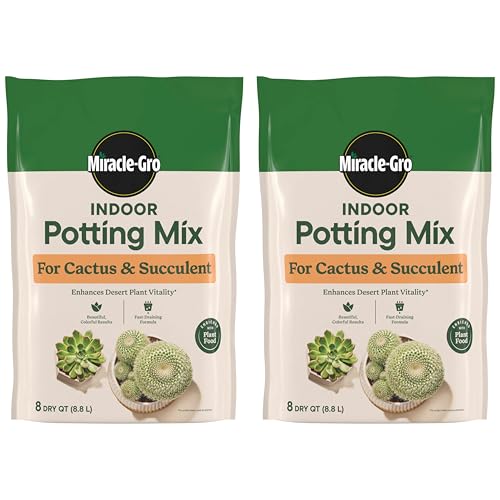
Best for indoor cactus and succulent containers that require fast drainage and built-in plant nutrition. This mix blends forest products, sphagnum peat moss, sand, and perlite to improve drainage while supporting desert plant vitality with Miracle-Gro Plant Food. Suitable for cacti, succulents, and even citrus trees in containers when used as directed. A caution: peat-based blends can retain more moisture than purely gritty mixes, so watering should align with plant needs.
Rosy Soil Cactus Soil – Organic Succulent Potting Mix

Best for those who want a peat-free, naturally airy mix with living microbes and worm castings. The chunky texture stays loose to prevent compaction and promote fast drainage. It’s designed to support an underground ecosystem that feeds roots without synthetic fertilizers. This is a solid choice for environmentally minded buyers who prefer organic components. Limitation: the benefits come from living organisms, which may vary by bag.
Back to the Roots 100% Organic Succulent & Cacti Mix (6 Quart)
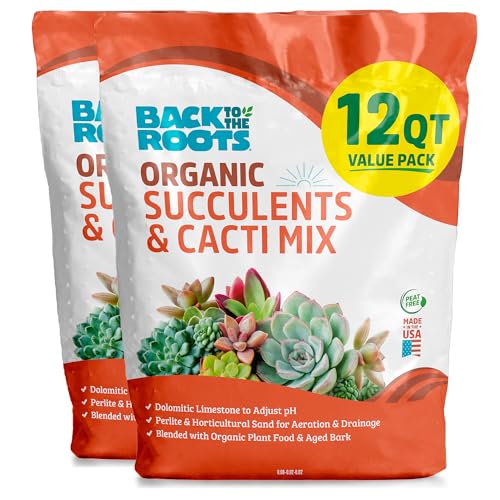
Best for buyers seeking a user-friendly organic option with enhanced soil structure. Aged bark improves aeration, while perlite and sand provide rapid drainage to prevent root rot. Suitable for both indoor and outdoor succulents and cacti. A potential limitation is that organic blends may require more careful moisture management to prevent dryness in certain environments.
Miracle-Gro Succulent Potting Mix
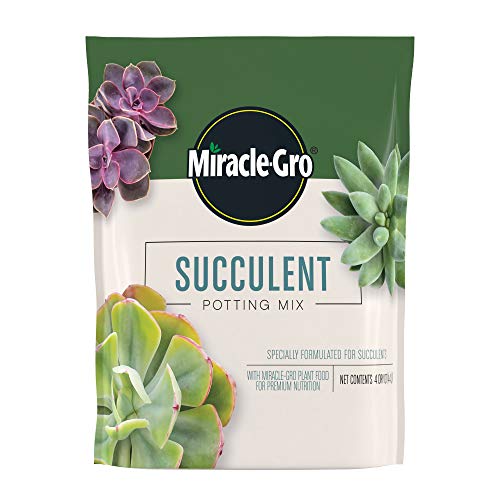
Best for indoor succulents including aloe, echeverias, and jade plants that benefit from premium nutrition. This mix blends sphagnum peat moss with processed forest products and Miracle-Gro plant food to provide steady growth. Choose this if you want a convenient, nutrient-rich mix for established containers. Limitation: peat-based blends may retain moisture longer in cooler environments; adjust watering accordingly.
GeoJava Java Cactus & Succulent Soil

Best for peat-free, gritty mixes designed to keep roots well-aerated. The fast-draining formula sheds excess water to prevent root rot and supports robust root development for drought-loving plants. This ready-to-use blend is ideal for repotting and transplanting. Limitation: the gritty texture may feel coarse for some very small or delicate succulents, so consider pot size and root ball when choosing.
Omitgoter Succulent & Cactus Soil Potting Mix 1qt

Best for buyers who want a tailored gritty mix with river sand, lava rock, and vermiculite. The formula aims for superb drainage while retaining enough moisture for healthy growth. It’s a compact option ideal for small containers or for users who prefer peat-free, organic components. Caution: this is a smaller bag; you may need multiple bags for larger projects.
Buying Guide
What should you consider when choosing cactus soil for succulents?
- Drainage vs. moisture balance: Gritty, chunky mixes drain quickly but still retain essential moisture; avoid soils that stay wet for too long.
- Peat content: Peat-based blends can hold moisture longer. Peat-free options reduce overwatering risks but may require more frequent watering discipline.
- Organic vs. synthetic nutrition: Some blends include plant food; others rely on base soil nutrients. Decide if you prefer added nutrition or a pure soil mix.
- Texture and structure: Chunky textures with perlite, sand, or pumice improve aeration; fine soils can compact and suffocate roots in tight pots.
- Environment and use: Indoor containers vs. outdoor beds; consider lighting, humidity, and pot size when selecting a mix.
- Containment and sustainability: Peat-free and organic options are better for long-term environmental impact and for gardeners seeking sustainable choices.
FAQ
- Do succulents need peat-free soil? Not always, but peat-free blends reduce water retention and are often preferred for succulents.
- Can I reuse soil from a previous succulent pot? You can refresh used soil by removing roots, drying, and reinserting into a fresh, well-draining mix to prevent disease spread.
- Which soil is best for outdoor succulents? A gritty, fast-draining mix with perlite or sand works well outdoors in sunny climates.
- Is adding fertilizer to cactus soil recommended? Some mixes include plant food, which can support growth; otherwise, apply a balanced fertilizer at recommended intervals.
- How often should I water after repotting? Water sparingly until roots re-establish, then resume a normal schedule based on plant type and pot size.
- What signs indicate poor soil drainage? Waterlogged soil, root rot, yellowing leaves, and slow growth indicate drainage issues.