Answering the buyer’s search for cap blocks for retaining walls, this guide highlights the best options for securing wall caps, creating durable edges, and finishing looks. Ideal for homeowners, landscapers, and DIY builders aiming for weather-resistant caps and reliable adhesion. The top picks cover block adhesives, coping kits, and practical accessories to support cap projects.
Summary Table
| Product | Best For | Why It Stands Out |
|---|---|---|
| Versa-Lok Adhesive | Bonding cap blocks in outdoor walls | High-strength, fast-curing, resistant to weather and joint movement |
| Loctite 28-Ounce Adhesive | Securing blocks, caps, and pavers | Versatile, adheres to multiple substrates including brick and stone |
| Aluminum Coping Cap Kit | Durable wall coping and lighting integration | Durable, weatherproof design with end caps and channels |
| Stone Master Molds | Creating custom wall caps in concrete | Sizeable, reusable, no release agent required for simple release |
| GooHochy Cap Storage | Hat management in cap-and-wall setups | Clear display, versatile for various hat styles, keeps caps organized |
Versa-Lok® Concrete Adhesive – Anchoring Tool for Retaining Wall Cap Blocks
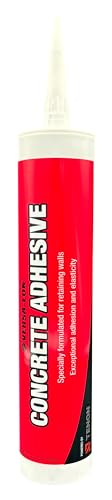
Best for high-strength, outdoor cap block bonding. This adhesive is designed for anchoring retaining wall blocks, caps, and related outdoor projects. The formula is non-sag and fast-curing, helping to keep caps in place during application and speeding up completion times. It’s built to endure harsh conditions, with water resistance, UV stability, and resistance to moisture and joint movement. Choose this if you need a reliable, long-lasting bond for exterior cap work and want a product that performs in sun and rain.
Contractors and DIYers seeking a robust outdoor bonding solution for cap blocks and retaining walls.
Ensure surfaces are clean and dry for best adhesion; heavy or highly irregular surfaces may require surface preparation for optimal results.
Loctite 828488 PL Landscape Block Adhesive, 28-Ounce

Best for concrete retaining blocks and pavers, this Loctite adhesive secures block walls and capstones and adheres to brick, stone, timbers, concrete, metal, and wood. It offers versatility across common wall materials, making it a practical choice for cap installations where substrate variety exists. The adhesive helps form stable, weather-resistant joints that resist movement in outdoor walls.
Projects where multiple substrate types are present and a single adhesive is preferred for both blocks and caps.
Use with proper ventilation and ensure surfaces are free of dust and moisture to maximize bond strength.
Aluminum Brick Wall Coping Cap Kit

Best for upgrading outdoor walls with durable coping caps. This kit includes an adjustable cover plate with end caps, base, screws, and light strip channels—supporting both protection and subtle lighting along walls. The design helps direct rainwater away from the wall, reducing moisture intrusion and plaster damage. It’s a strong choice when you want a cohesive, weatherproof top edge that also adds a touch of nighttime ambiance.
Homeowners seeking a complete coping cap solution that combines durability with practical water management and optional lighting.
Installation may require measure-and-cut precision; confirm wall dimensions and lighting needs before purchasing.
Stone Master Molds Rubber Molds for Concrete Wall Cap

Best for creating custom wall caps with measured dimensions. These rubber molds measure 24″ L x 12″ W x 3″ D and are designed to produce concrete wall caps that fit typical cap requirements. Features include easy release and compatibility with color pigments, enabling production-quality results. Unlike disposable forms, these molds can be reused hundreds of times, offering long-term cost efficiency for ongoing cap projects.
Concrete practitioners, masons, or DIYers who want to craft custom cap shapes and sizes for retaining walls.
Requires proper release technique and curing conditions to avoid sticking and to achieve a clean finish.
VINTORKY 2pcs Baseball Cap Display Stand Hat Box
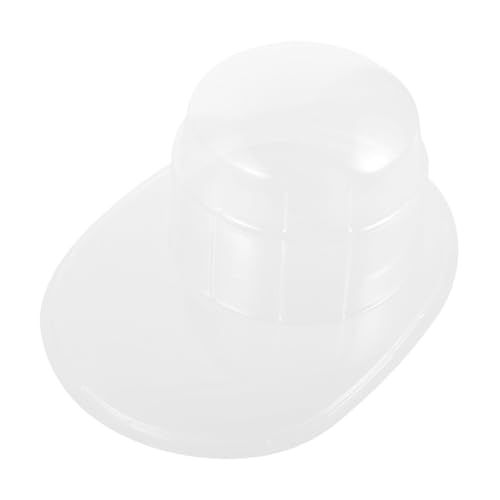
Best for cap storage and display alongside cap projects. While not a cap block, this accessory helps manage and showcase hats or caps that accompany outdoor wall projects in a workshop or showroom. It supports a clear, organized presentation of cap styles and is compatible with various hat designs. Useful when planning cap-block installations in a space where caps are part of the project narrative.
Shop setups that require organized cap storage or display while working on wall cap projects.
Not a structural project component; intended for organization and display rather than wall construction.
Buying Guide: Cap Blocks For Retaining Walls
- For outdoor cap blocks, prioritize weather resistance, UV stability, and moisture tolerance. Coping kits with aluminum or durable plastics offer long-term protection against cracking and warping.
- Select adhesives designed for exterior use that bond well to concrete, brick, stone, and metal. Consider fast-curing options to speed up installation without compromising bond strength.
- Cap designs should direct water away from the wall to prevent moisture intrusion and plaster damage. Look for end caps and channels that support drainage and continuity of the wall line.
- Some options require precise cutting and measurement. Plan for appropriate tools and read product specs about curing times, surface prep, and recommended substrates.
- Reusable molds can lower long-term costs if you plan multiple cap projects. Assess whether a kit or mold aligns with your project scale and budget.
- Cap caps influence the final look of the wall. Choose profiles that complement your landscape and border details, including lighting integration where desired.
- Follow manufacturer guidelines for chemical adhesives and heavy molding equipment. Wear protective gear where recommended and work in well-ventilated areas.
FAQ
- A high-strength, non-sag, exterior-rated adhesive that bonds well to concrete and stone is ideal for caps; ensure compatibility with your wall materials.
- End caps and channels can enhance durability and water management. They also provide a finished look and can support lighting integrations.
- Yes, rubber or urethane molds are designed for repeated use, making them cost-effective for multiple cap pours.
- Simple projects with standard cap sizes can be DIY with proper measurements and safety practices; complex walls may benefit from professional assistance.
- Use coping designs with rain channels and ensure proper drainage away from the wall to minimize water intrusion.
- Choose a versatile adhesive that adheres to multiple materials, and consider a coping kit that accommodates variations in wall construction.