Carnivorous plants bring unique biology and natural pest control into indoor spaces. This guide highlights five accessible, beginner-friendly options available on Amazon, with care basics and what to expect from each. Whether you want a compact starter set or a showy pitcher plant, these selections cover different growing needs, lighting, and moisture preferences to help you choose the right indoor carnivorous plant for your home.
| Product | Brand | Key Benefit |
|---|---|---|
| BubbleBlooms Carnivorous Plant Assortment Set | BubbleBlooms | Five varied species in compact 2″ pots |
| Set of 2 Cape Sundews | Bellawood Horticulture | Beginner-friendly Sundews with complete growing kit |
| Venus Fly Trap Plant Pet Friendly | JitoHouse | Pet-safe, easy-to-grow traps for indoor spaces |
| Miranda Carnivorous Pitcher Plant | Wellspring Gardens | Exotic Nepenthes with dramatic pitchers |
| Carnivorous Cape Sundew (Drosera Capensis) Plant | JoelsCarnivorousPlants | Reliable Sundew with care guidance |
BubbleBlooms Carnivorous Plant Assortment Set

The BubbleBlooms assortment provides five distinct carnivorous species in two-inch pots, including Nepenthes, Sarracenia, Dionaea, and Drosera. This set is designed for variety, making it easier to compare growing needs and pest-catching capabilities within one package. The plants come with winter protection and eco-friendly packaging to help ensure safe delivery in cooler months. Care tips emphasize using rain or distilled water and avoiding direct sunlight to promote healthy establishment in indoor environments.
Set of 2 Cape Sundews

This complete growing kit includes two live Cape Sundew plants (Drosera capensis), two pots, long-fiber sphagnum moss, and a water tray. Sundews thrive in bright, indirect light and appreciate distilled or rainwater for consistent moisture. They are well-suited for beginners seeking a low-stress introduction to carnivorous plants with a visually engaging, wand-like sundew display that captures tiny prey with sticky tentacles.
Perfect Plants Carnivorous Plant Soil
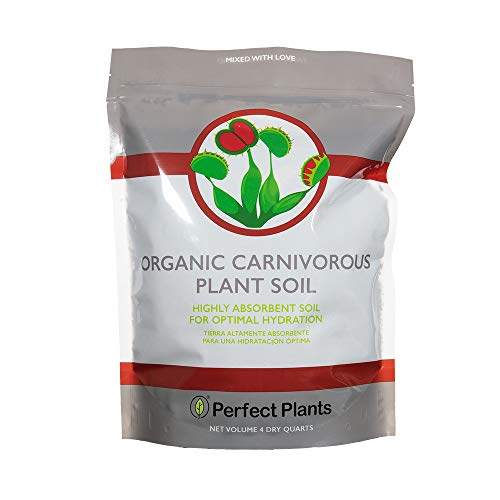
This four-quart organic premium mix is designed for long-term moisture control and nutrient balance suitable for Venus flytraps, pitcher plants, sundews, and other carnivorous species. The soil blend focuses on acidity, drainage, and aeration, providing a reliable growing medium that can improve root health and growth. It’s produced for use with multiple carnivorous plant types, often producing better overall performance when paired with proper watering and light conditions.
Venus Fly Trap Plant Pet Friendly Non-Toxic
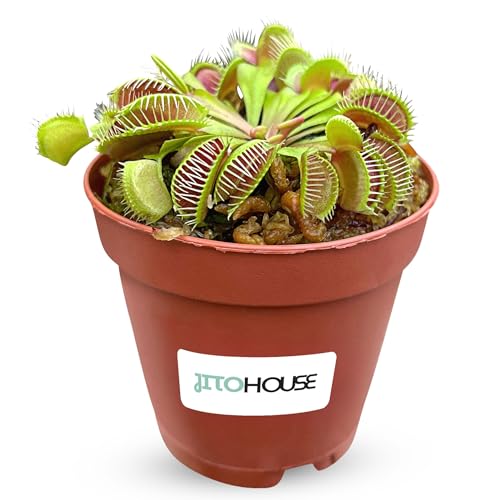
The Venus Fly Trap from JitoHouse is a pet-friendly, non-toxic choice ideal for households with cats or dogs. This 2″ pot plant showcases the classic snap-shut mechanism that traps insects, offering both educational value and practical pest control. The plant typically requires bright, indirect light and consistent watering with distilled or rainwater. It’s positioned as a robust starter plant for indoor collectors.
4oz Carnivorous Plant Food
This 4-ounce feeding solution targets macronutrients to support growth and stronger roots for Venus flytraps and other carnivorous plants. It acts as a soil conditioner, promoting water and nutrient absorption in moisture-challenged soils. Use according to plant type and season to avoid over-fertilization, which carnivorous plants generally dislike. This product is geared toward enthusiasts seeking to optimize nutrient delivery without complex dosing.
Miranda Carnivorous Pitcher Plant

The Miranda Carnivorous Pitcher Plant (Nepenthes Miranda) is a mature starter plant suited for indoor growing. It can reach a substantial size with 1.5-foot-long pitchers and requires bright, indirect light with high humidity. The plant ships in a 3-inch pot and is ready for transplant to a larger container as it grows. It represents a more exotic option for collectors seeking dramatic pitchers and tropical aesthetics in home spaces.
Carnivorous Cape Sundew (Drosera Capensis) Plant

The Cape Sundew from JoelsCarnivorousPlants offers a reliable Drosera Capensis specimen in a 3-inch pot with a care sheet for quick reference. Sundews catch prey with sticky tentacles and adapt well to bright, indirect light and moisture-maintained substrates. This plant is a straightforward entry into carnivorous gardening, providing both educational value and a visually appealing, delicate display.
Buying Guide: Key Purchase Considerations
Indoor carnivorous plants require specific conditions to thrive. Consider the following when shopping:
- Lighting: Most carnivorous species prefer bright, indirect light; too little light reduces trap activity and growth, while too much direct sun can scorch leaves.
- Water: Use rain or distilled water to avoid mineral buildup. Do not rely on tap water, which can harm sensitive roots and cause nutrient imbalances.
- Humidity and temperature: Tropical species like Nepenthes prefer higher humidity; temperate sundews tolerate a broader range. Check each plant’s comfort zone and avoid abrupt environmental shifts.
- Soil and drainage: Use a well-draining carnivorous mix or plain, nutrient-poor media to prevent root burn. Avoid standard potting mixes that contain added fertilizers.
- Container size and transplanting: Start with appropriately sized pots; many carnivorous plants appreciate re-potting into larger containers as they grow, especially pitcher plants and Nepenthes.
- Feeding and fertilization: Carnivorous plants generally obtain nutrients from captured prey. Supplemental feeding with specialized plant foods can help in low-insect environments but should be used sparingly to avoid salt buildup.
- Pet safety: Some species are non-toxic to pets, but always monitor interactions and choose pet-friendly options when relevant.
- Maintenance routine: Regularly remove dead traps to promote new growth and check moisture levels to maintain consistent humidity and wetness without waterlogging.
Choosing between a diverse assortment and a single, focused species depends on your space, light, and maintenance preferences. If you want quick results and variety, a five-plant starter set provides immediate visual appeal and ongoing learning opportunities. For long-term care, combining a hardy sundew or Venus fly trap with a rainforest-friendly Nepenthes can create a dynamic indoor landscape that also doubles as a mini ecosystem.