Yes, the best cell packs for seedlings are versatile, durable seed starter trays designed to promote healthy root systems and easy transplanting. This guide focuses on 5 top options ideal for home gardeners, urban growers, and greenhouse setups. Each product is chosen for clear root development benefits, reusability, and suitability for a range of seeds. The buyer profiles most likely to benefit include beginners seeking simplicity, hobby gardeners prioritizing durability, and small-scale growers needing reliable drainage and transplant ease.
Summary table of selected products:
| Product | Cells Per Tray | Special Feature | Best For |
|---|---|---|---|
| The Hydroponic City Seed Starter Trays (216-Cell, 36 Trays) | 6-cell trays; 216 total | Durable, reusable; promotes healthy root development | Dense planting areas, multiple seed runs |
| Gardzen 30 Pack 6-Cell Tray | 6 cells per tray | Drainage holes; water guidance channels | Budget-friendly beginners, reliable germination |
| The Hydroponic City Seed Starter Tray (720 Cells) | 6 cells per tray; 120 trays | Reusable; versatile for many seeds | Moderate-scale, ongoing seed programs |
| Seedling Starter Trays, 720 Cells (120 Trays) | 6 cells per tray | Drainage holes; includes plant labels | Organized batches, easy labeling |
| RooTrimmer 40 Pack 4-Cell Tray | 4 cells per tray | Air pruning, deep cells; easy transplant | Larger seedlings, strong roots, transplant ease |
The Hydroponic City Seed Starter Trays, 216-Cell Starter Trays
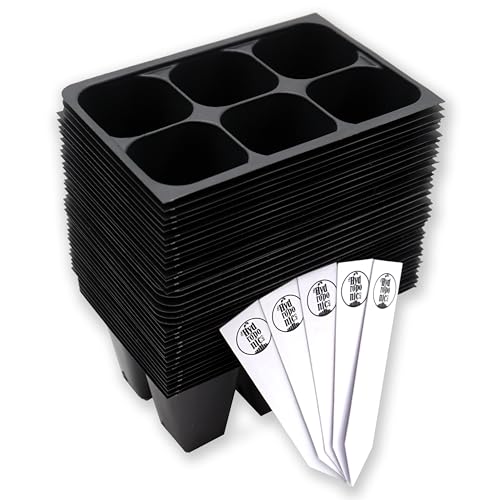
Best for bulk seed starts and ongoing planting projects. Each tray is six cells with 1.5″ square by 2.25″ deep cells, designed to support robust root development. The trays are described as durable and reusable, aligning with sustainability goals. Suitable for a wide range of seeds—from flowers to vegetables—this option stands out when you need to seed many plants across multiple cycles.
Who it’s best for: gardeners running large or repeated seed-starting operations, community gardens, and classrooms needing plentiful, uniform trays. Why selected: high cell count and reusable design maximize efficiency for frequent crop cycles. Caution: the large quantity may be more than needed for casual hobbyists with small spaces.
Gardzen 30 Pack 6-Cell Seed Starting Tray
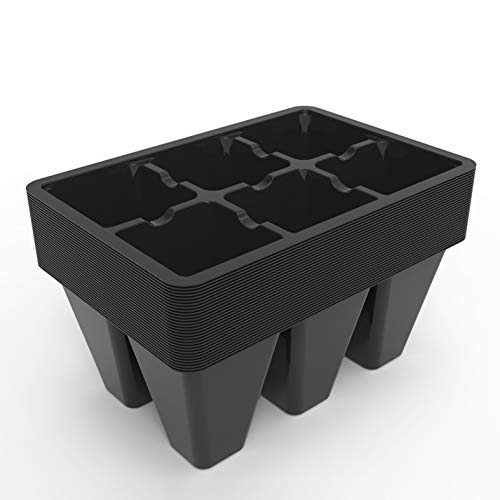
Better for budget-conscious growers who still want reliable drainage and steady moisture balance. Each tray houses six 1.5-inch square cells, with 2.2-inch depth, optimizing root development. The bottom drainage holes and top guide channels ensure even water distribution to all cells, reducing soggy conditions and promoting healthy germination.
Who it’s best for: beginners testing a small batch of seeds or avid gardeners who rotate crops regularly without breaking the bank. Why selected: solid build and practical drainage design, plus clear guidance channels. Caution: a smaller total capacity than larger kits, which may require more frequent replenishment for big seed runs.
The Hydroponic City Seed Starter Tray, 720 Cells

Best for larger seed programs or greenhouse use where uniform small beds are needed. This option provides 120 trays with 6 cells per tray, maintaining the same 1.5″ square by 2.25″ deep cell dimensions for healthy root systems. Reusable materials support sustainable practices, and the setup accommodates a broad range of seed types from herbs to ornamentals and vegetables.
Who it’s best for: greenhouse operators, community gardens, and markets needing dependable, repeatable starts. Why selected: excellent scale, consistent cell dimensions, and reusable construction. Caution: larger quantity requires storage space and organization for multiple cycles.
Seedling Starter Trays, 720 Cells (120 Trays)
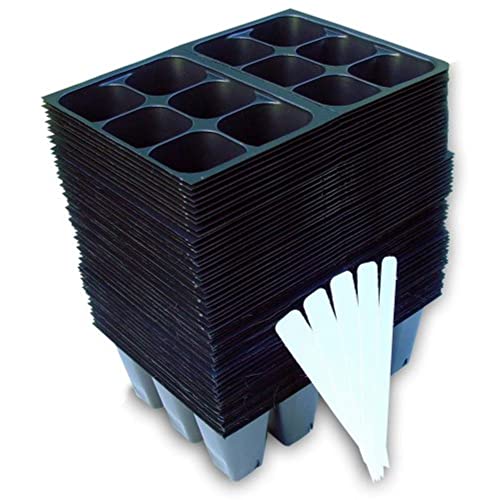
Ideal for organized seed programs where labeling and tracking matter. These trays offer bottom drainage holes and 1.5-inch square cells for steady root growth. Five plant labels are included to help growers manage batches, making this kit well-suited for schools, producers, or hobbyists who plant multiple varieties at once.
Who it’s best for: teachers, small urban farms, or hobbyists who value tracking and organization. Why selected: included labels simplify batch management. Caution: the 720-cell total may be overkill for a few containers or kitchen gardens with limited space.
RooTrimmer 40 Pack 4-Cell Tray

Best for larger seedlings and easy transplanting. The 4-cell design provides deeper cells at 2.5″ x 2.5″ x 2.8″ each, with air pruning slots and drainage holes to support healthy root expansion and prevent waterlogging. Open bases help air roots develop and simplify transplanting with minimal root disturbance.
Who it’s best for: growers focusing on vigorous root systems and clean transplant processes, including those using standard 1020 flats. Why selected: air pruning promotes stronger roots; the deep cells reduce crowding and transplant stress. Caution: larger individual cells mean fewer total plants per tray, which may not suit mass sowing needs.
Gardzen 5-Set Seed Starter Tray Kits

Best for complete starter kits with humidity domes and bases. The 40-cell capacity per kit supports a wide range of seeds in a compact footprint. Upgrade options include adjustable ventilation to manage humidity, which helps seeds germinate under controlled conditions. The set’s durability and included components appeal to users seeking a ready-to-use system.
Who it’s best for: indoor gardeners needing humidity control and a compact, organized germination station. Why selected: ventilation adjustment and durable design promote reliable germination. Caution: some users may prefer larger cell counts for very large seed lots.
Burpee SuperSeed Seed Starting Tray

Best for ease of use and transplant-friendly design. The 36-cell tray features flexible pop-out cells to simplify transplanting and reduce root disturbance. The tray includes a Smart Watering System with molded corner slots for drainage and a raised edge to reduce spills. It’s also top-rack dishwasher safe, prioritizing convenience for busy gardeners.
Who it’s best for: hobbyists who value simple maintenance and gentle transplantation. Why selected: easy cell removal and efficient watering design. Caution: pop-out cells may be less rigid in very crowded setups; verify your transplant plans before choosing.
Buying Guide: Key Purchase Considerations
- Cell size and depth: Choose cell dimensions that align with the expected root depth of your plants. Deeper cells support larger root systems and easier transplanting.
- Drainage and moisture control: Look for drainage holes and water guidance features to prevent waterlogged soil and promote even moisture distribution.
- Material durability and reusability: Reusable trays save money and support sustainable gardening. Confirm dishwasher or hand-wash compatibility if you plan frequent reuse.
- Ventilation options: For greenhouse or indoor use, consider trays with adjustable vents or humidity domes to optimize germination environments.
- Labeling and organization: If you cultivate multiple varieties, trays that include labels or labeling accessories help manage batches and reduce mix-ups.
- Compatibility with growing setups: Ensure tray dimensions fit your 1020 flats, shelves, stands, or climate-controlled grow rooms.
- Budget versus scale: For large-scale starts, bulk packages offer cost savings but require storage space. For hobbyists, smaller kits may be more practical.
Frequently Asked Questions
- What are the advantages of using seed starter trays with multiple cells?
- How deep should seedling tray cells be for common vegetables?
- Do you need humidity domes for seed starting?
- Are reusable seed starter trays worth the investment?
- What is air pruning, and why does it matter?
- Which tray is best for a beginner with a small balcony garden?
They enable uniform germination, organized planting, and easier transplanting by keeping seedlings in compact groups until ready for transplantation.
Most vegetable starts use cells about 2 to 2.5 inches deep to accommodate developing taproots and early root systems.
Humidity domes can improve germination rates for seeds that require higher humidity, but they are not mandatory for all seed types.
Yes, reusable trays reduce ongoing waste and can be used across multiple growing seasons, provided they are properly cleaned between cycles.
Air pruning exposes roots to air, promoting branching and a stronger root system, which leads to healthier transplants.
A compact tray with drainage holes, clear labeling, and simple transplant mechanics is ideal for beginners with limited space and a small batch of seeds.