Whether you’re starting herbs on a windowsill or growing vegetables in a backyard plot, the right cell tray makes germination and transplanting smoother. This guide highlights top cell trays for plants, suitable for beginners and seasoned gardeners alike. The selections emphasize sturdy construction, good drainage, and adaptability for various seed types.
Top choices are suited for different buyers: beginners benefit from simple, reusable trays with clear drainage; indoor gardeners need reliable humidity control or compact designs; and hobbyists seeking large capacities will prefer multi-tray options. A quick comparison is provided below to help you pick the best fit.
| Product | Best For | Cell Count | Key Benefit |
|---|---|---|---|
| The Hydroponic City Seed Starter Trays (216-Cell) | Large seed batches | 216 | Durable, reusable; versatile for many seeds |
| Burpee SuperSeed 36-Cell Tray | Smart watering and transplanting | 36 | Flexible cells with easy pop-out design |
| Gardzen 30 Pack 6-Cell Tray | Compact starter projects | 6 per tray | Bottom drainage, top water channels |
| RooTrimmer 72 Cell Tray (10-Pack) | Versatile seed starting | 72 | Bottom drainage, durable for repeated use |
| Seed Starter Trays, 144 Cells (The Hydroponic City) | Balanced capacity | 144 | Promotes healthy root development; reusable |
The Hydroponic City 216-Cell Seed Starter Trays
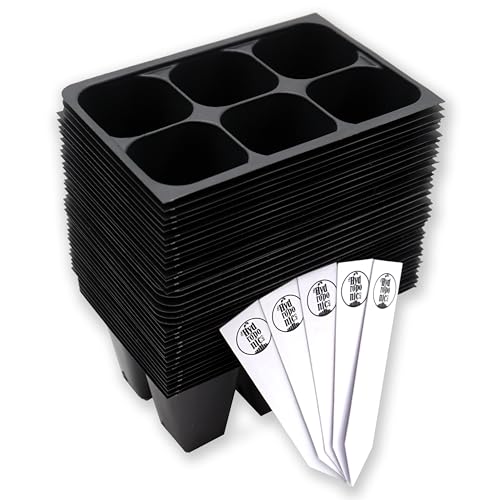
Best for communities or large personal projects, this 216-cell system prioritizes root health with 1.5″ square by 2.25″ deep cells. The trays are described as durable and reusable, supporting sustainability in long-term growing plans. They accommodate a broad range of seeds, from flowers to vegetables, making them a versatile option for multi-crop gardens.
Who it’s for: gardeners handling large seed batches or wish to reuse equipment season after season. Why selected: high capacity and sturdy construction help manage frequent transplanting cycles. Caution: ensure you have adequate space to store multiple trays when not in use.
Burpee SuperSeed Seed Starting Tray

Best for indoor gardeners who want a compact, reliable starting system with easy transplanting. The 36-cell tray uses soft silicone cells that pop out gently, reducing root disturbance during transplant. It also includes alphanumeric labeling and a smart watering design with deep channels to draw off excess moisture.
Who it’s for: beginners or busy growers seeking simple seed expansion and clean transplanting. Why selected: the pop-out cells and integrated drainage support consistent germination. Caution: may be limited for households needing very large seed batches at once.
Gardzen 30 Pack 6-Cell Seed Starting Tray
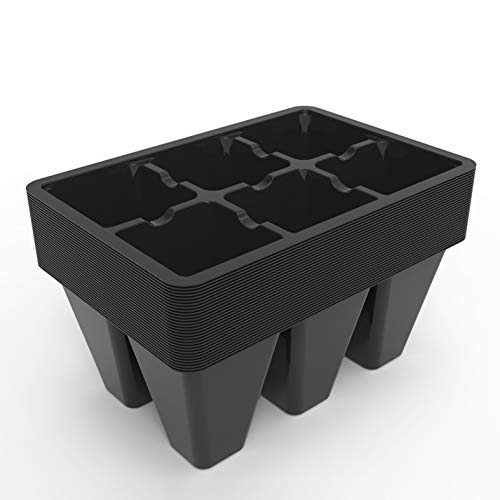
Best for small to mid-sized projects or beginners who want easy maintenance. Each tray features 1.5″ x 1.5″ cells with 2.2″ depth and bottom drainage holes, plus top guide channels to ensure uniform moisture. The design helps prevent overwatering and supports steady germination in varied seed types.
Who it’s for: hobbyists growing a handful of crops at a time. Why selected: compact, simple-to-use design with reliable moisture control. Caution: lower overall capacity for large seed starts compared to bigger trays.
RooTrimmer 72 Cell Seed Trays (10-Pack)

Best for versatile germination needs across vegetables, flowers, and herbs. The 72-cell configuration in each tray offers ample space while maintaining compact dimensions. Thick, durable plastic resists warping in sun exposure, and bottom drip holes help balance moisture to prevent root saturation.
Who it’s for: growers who transplant frequently and want a sturdy, reusable option. Why selected: blend of sturdiness, modularity, and broad compatibility. Caution: larger capacity trays require more storage space and handling care.
Seed Starter Trays, 144 Cells (The Hydroponic City)
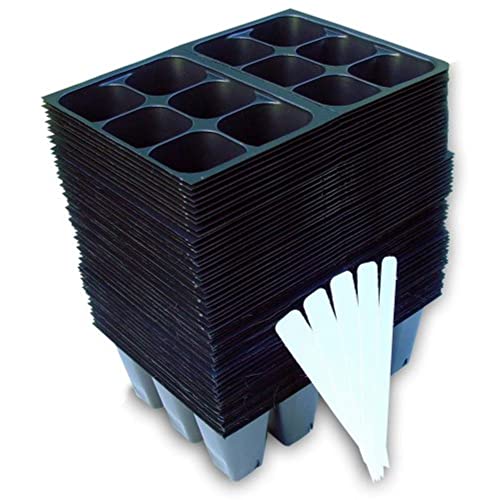
Best for balanced capacity with a focus on root development. Each cell is 1.5″ square by 2.25″ deep, designed to promote healthy root growth and strong seedling establishment. These trays are described as durable and reusable, suitable for a wide range of seeds, from herbs to vegetables.
Who it’s for: gardeners seeking a reliable mid-range option that supports repeated seasons. Why selected: proven cell size and reuse capabilities. Caution: ensure proper cleaning between seasons to maximize longevity.
MIXC 10 Packs Seed Starter Tray Kit

Best for modular greenhouse-style seed starting with a mini humidity dome. The kit includes 120 total cells across 10 trays, plus a base. Adjustable vents let growers manage temperature and humidity, while drainage holes help prevent waterlogging and root rot.
Who it’s for: those who want a controlled germination environment and a scalable seed-start setup. Why selected: the included humidity dome and adjustable vents provide a simple way to optimize germination. Caution: larger kits may require additional space and dome maintenance for best results.
Buying Guide: Key Purchase Considerations
- Capacity vs. space: Decide how many seeds you want to start at once and measure available storage. Larger trays save time but require more space.
- Cell size and depth: Look for cells around 1.5″ square with 2.0–2.25″ depth for healthy root systems. Deeper cells support larger transplants.
- Drainage and water management: Drain holes and raised channels help prevent root rot and ensure even moisture distribution.
- Durability and reuse: Reusable plastic trays reduce waste and costs over time. Check for warp resistance in sun exposure.
- Ease of transplanting: Pop-out or flexible cells minimize root disturbance during transplanting.
- Ventilation and humidity control: Humidity domes or adjustable vents help stabilize germination conditions for sensitive seeds.
- Cleaning and maintenance: Dishwasher-safe or easy-to-clean trays simplify seasonal reuse.
Frequently Asked Questions
- What is the best cell size for most vegetables?
1.5″ square cells with about 2.25″ depth typically support healthy root growth for many vegetables. - Are reusable seed trays worth it?
Yes, they reduce ongoing supply costs and support sustainable gardening when cleaned properly between seasons. - How many seeds can one tray start at once?
That depends on tray capacity; options range from 6-cell per tray to 216-cell configurations for large batches. - What is the advantage of a humidity dome?
Domes maintain higher humidity and warmer conditions, which can speed germination for many seeds. - Should I choose a 72-cell tray or a 144-cell tray?
Choose 72 cells for moderate projects or easier handling; 144 cells offer higher capacity when space is available. - How do I prevent overwatering in seed trays?
Use trays with proper drainage holes, avoid letting water sit in the bottom, and monitor moisture levels daily.