Charcoal chips and biochar-amended soil can improve drainage, aeration, and nutrient retention for a wide range of houseplants, terrariums, succulents, orchids, and bonsai. This guide highlights five top options to match different plant needs, from small houseplants to terrarium setups. The selections emphasize porosity, toxin adsorption, moisture control, and compatibility with various potting mixes. Read on to find which charcoal product best supports root health, prevents root rot, and maintains soil balance for your specific plants. The table below summarizes the key contenders and their best-use cases.
| Product | Best For | Notes |
|---|---|---|
| Legigo 2 QT Horticultural Charcoal | Houseplants and orchids | Good for drainage and root health; 2 qt size |
| Sukh Horticultural Charcoal 1 Qt | Indoor plants with drainage challenges | Temperature regulation and nutrient storage |
| TOYPOPOR Horticultural Charcoal 1 Qt | Orchids, succulents, terrariums | Higher porosity and toxin neutralization |
| Old Potters Premium Charcoal Chips 24 Qt | Terrariums and bonsai with bulk needs | Large quantity; versatile uses |
| Olivette Horticultural Biochar | Terrarium trees and moisture control | Olive-derived biochar, eco-conscious |
Legigo 2 QT Horticultural Charcoal
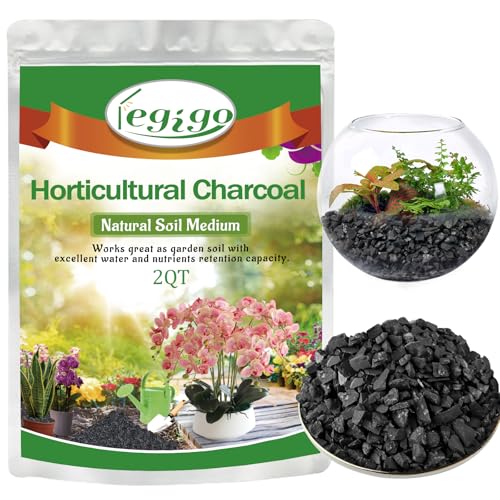
Best for: small to medium pots, houseplants, and orchids. Legigo’s natural hardwood charcoal is designed to improve drainage and prevent soil compaction. The 2-quart size makes it easy to mix into standard potting mixes for potted plants and terrarium foundations. It absorbs heat and can help seed germination in warm environments, supporting healthier root systems by increasing aeration.
Why selected: The product is described as a lightweight soil amendment that enhances drainage, reduces compacting, and can be combined with perlite or other amendments to create a loose, breathable substrate. It is particularly suitable for orchid, bonsai, and succulent soils where root respiration is critical. A potential limitation is the smaller bag size relative to some bulk options, which may require reselection for larger projects.
Sukh Horticultural Charcoal 1 Qt

Best for: indoor plants needing stable moisture and improved drainage in containers without drainage holes. Sukh charcoal emphasizes temperature regulation, extra water and nutrient storage, and enhanced soil permeability. It can act as a buffer to prevent rapid shifts in moisture, which helps avoid root rot in humid indoor settings.
Why selected: This option highlights a balance of heat absorption and moisture management, along with improved aeration through porous structure. It’s suitable for terrariums and potted plants with limited airflow. A caution: the product’s effectiveness relies on correct mixing with soil and existing substrates; excessive use can alter soil density if not blended properly.
TOYPOPOR Horticultural Charcoal 1 Quart

Best for: orchids, succulents, cactus, and terrariums. TOYPOPOR emphasizes larger porosity and higher adsorption capacity, making it a strong option for neutralizing toxins and odors in soil while promoting healthier root environments. The 1-quart bag offers convenient use for small to mid-size plant setups.
Why selected: The product stresses improved soil health through better drainage and adsorption properties. It’s a good pick when you want a more porous substrate that can hold nutrients without causing compaction. Limitation: smaller bag size may require more frequent replenishment for larger plant collections.
Legigo 4QT All Natural Charcoal

Best for: larger potting projects, bonsai soils, and terrarium builds needing more substantial drainage and aeration. This 4-quart bag expands the capacity for a broader soil mix, helping maintain lightness and root air exchange over time. It’s described as containing 3-7 mm pieces, balancing water movement with structural integrity of the mix.
Why selected: The larger quantity supports more extensive mixes or multi-pot setups, and it mirrors the same benefits of preventing soil compaction and promoting root health. Limitation: larger bags may require space for storage and proper measuring when mixing into smaller pots.
Old Potters Premium Charcoal Chips

Best for: terrarium setups, orchid growing, and general potting that benefits from improved aeration and moisture balance. This 24-quart supply represents a bulk option for serious hobbyists or small professional setups needing consistent substrate improvements and drainage layers.
Why selected: The chips’ sizing and high-grade materials balance pH and moisture, making it versatile across terrariums and containers. Caution: when mixing into sensitive soils, test ratios to avoid over-drying the substrate in starter mixes.
Char Bliss (8 Qts) – Plantonix Biochar

Best for: indoor and outdoor plants needing long-term nutrient retention and carbon sequestration. Char Bliss biochar enriches soil fertility, supports microbial life, and can improve water retention without waterlogging soil.
Why selected: This option emphasizes nutrient retention and carbon sequestration, aligning with sustainable gardening goals. Limitation: biochar efficiency can depend on soil microbiome; users may need to adjust watering to match new moisture dynamics.
Horticultural Charcoal By Perfect Plants
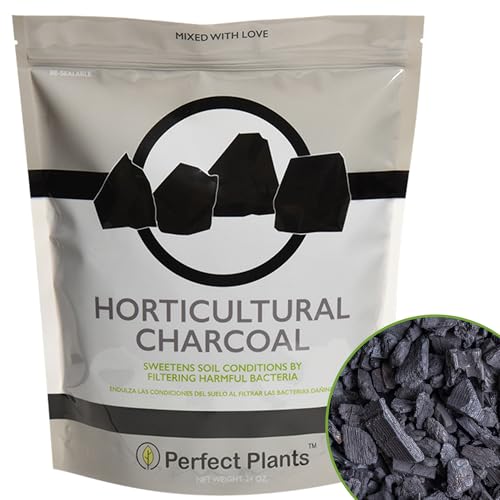
Best for: general drainage and soil conditioning across a range of houseplants and terrarium projects. This product emphasizes drainage assistance, soil conditioning, and natural filtration to reduce odor-causing bacteria in pots and containers.
Why selected: It combines multiple benefits—drainage, conditioning, and filtration—into a single product ideal for mixed-use pots and terrariums. Caution: the product’s performance depends on proper mixing with substrate and plant type to avoid excessive dryness in arid environments.
Olivette Horticultural Biochar
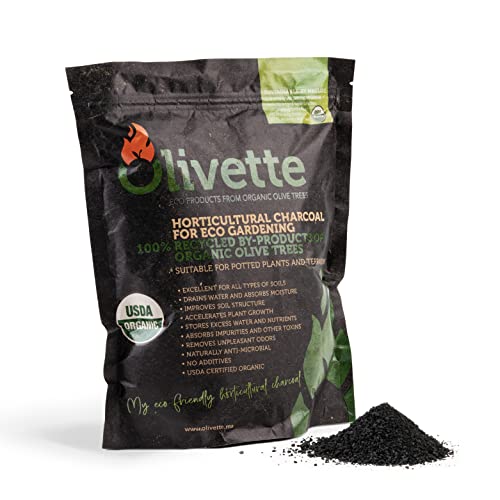
Best for: terrarium trees, moisture control, and potted plants where sustainable, olive-derived biochar is preferred. The product highlights moisture management and soil aeration along with promoting beneficial microorganisms.
Why selected: Olive-derived biochar offers a natural, eco-friendly option with moisture control benefits. Limitation: as with all biochar, the benefits vary with soil type and existing microbial communities; gradual integration is advised.
Buying Guide: Charcoal Chips For Plants
- What to consider: porosity, particle size, and how the charcoal interacts with your soil. Smaller pieces improve drainage in tight soils, while larger chips add structure for terrarium layers.
- Best uses by plant type: orchids and epiphytes benefit from airy mixes; terrariums require moisture balance and odor control; bonsai and succulents benefit from improved drainage and root health.
- Blend ratios: start with a 10-20% charcoal mix for potted plants, increasing up to 30% for compact soils or terrariums. Adjust based on plant response and soil moisture.
- Storage and handling: keep charcoal away from direct sunlight and moisture to prevent clumping. Store in a dry, breathable container until mixing.
- Environmental note: some products are biochar or activated charcoal. Activated charcoal can be more effective at adsorption but may alter nutrient availability; biochar supports long-term soil health and carbon sequestration.
Frequently Asked Questions
- What is horticultural charcoal and how does it help plants?
It is a porous, carbon-rich material that improves drainage, aeration, and moisture retention, supporting healthy root systems and reducing soil compaction.
- Can I mix charcoal chips with biodegradable pots?
Yes, but ensure the mix remains well-aerated. Avoid over-drying and monitor moisture; adjust watering practices as needed.
- Is charcoal the same as biochar?
No. Biochar is a stable form of charcoal intended to sequester carbon and improve soil health over the long term, whereas horticultural charcoal focuses on drainage and aeration benefits.
- How much charcoal should I use in a potting mix?
Start with 10-20% charcoal and adjust based on plant response and soil type. For terrariums, a higher proportion may be beneficial.
- Are there plants that should avoid charcoal in soil?
Some plants sensitive to pH changes or high adsorption environments may require careful testing. Always mix charcoal gradually and observe plant growth.