For pond owners seeking fast, reliable algae control using copper-based formulas, these products are among the most relevant options. This guide targets buyers looking for chelated or copper-based algaecides that work in ponds, lakes, or irrigation systems with minimal disruption to wildlife and irrigation use. The top five selections below are chosen for broad algae coverage, ease of use, and practical safety notes for common pond setups. Best for large ponds, hatcheries, or lakes that need quick clarity and ongoing control.
| Product | Best For | Key Benefit | Limitations |
|---|---|---|---|
| Cutrine-Plus Liquid Algaecide (1 Gallon) | Large ponds, lakes, hatcheries | Fast-acting control of planktonic, filamentous, and chara algae | Avoid in copper-sensitive fish; EPA approved |
| Crystal Blue Copper Sulfate Algaecide (5 lbs) | Active, larger water bodies | Granular copper sulfate for broad algae types | Not for small decorative ponds; cannot deplete oxygen rapidly |
| Cutrine-Plus Aquatic Algaecide (2.5 Gallons) | Professional-grade pond care | Double-chelated for hard water and fast action | Avoid copper-sensitive species; follow label directions |
| Water-solids Copper Sulfate Crystals (10 lb) | Bulk treatment needs | Versatile copper sulfate bulk option | Crystalline form; handle with care |
| Crystal Plex Lake Algaecide (1 Gallon) | General lake and pond use | Broad algae control, safe for humans and animals when used as directed | Not recommended for koi or certain pond species |
Cutrine-Plus Liquid Algaecide — 1 Gallon
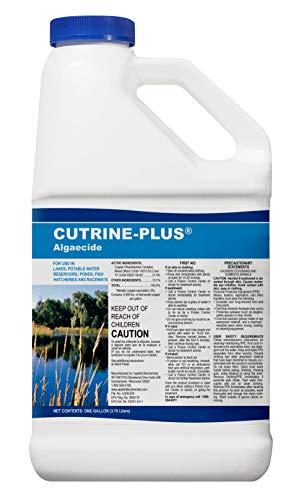
Best for: Large ponds and professional maintenance crews needing rapid reduction of multiple algae types. This EPA-approved formula targets planktonic, filamentous, and chara algae for clearer water and balanced ecosystems. It is noted for fast action within 1-2 days and is safe for wildlife and livestock when used as directed. A caution: avoid use in waterbodies with copper-sensitive fish, such as koi or trout.
Crystal Blue Copper Sulfate Algaecide — 5 Pounds

Best for: Larger water bodies where robust algal control is needed. It uses 99% copper sulfate pentahydrate and suits actively growing algae above 60F. Best applied on top of thick algae mats. A key limitation is avoiding treatment that would deplete oxygen levels too quickly if too much vegetation is removed at once.
Cutrine-Plus Aquatic Algaecide — 2.5 Gallons
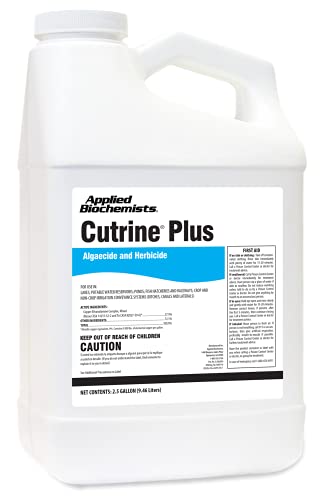
Best for: Pros and serious hobbyists managing moderate to large water bodies that require fast algaecide action in hard water. This product is double-chelated to help performance in hard water and targets all major algae types. It should be used with standard safety practices and monitoring for copper-sensitive species.
Copper Sulfate Crystals — 10 lb Bag

Best for: Bulk users who prefer granular copper sulfate for flexible application in larger systems. This powder granulation offers broad algae control across different water bodies. A caution: handle as a chemical; improper dosing can affect fish and plants.
Crystal Plex — Lake and Pond Algaecide Treatment

Best for: Ponds and lakes seeking a broad-spectrum algaecide that clears up green water and reduces various algae types, including planktonic and filamentous varieties. It is noted as safe for humans and animals when used per directions, though not suitable for all koi and certain fish types in some ponds. It’s a straightforward choice for general use with a focus on water clarity.
Buying Guide
What should I consider before choosing a copper-based algaecide?
Water chemistry, including hardness and copper sensitivity of local fish, determines suitability. Hard water can improve efficacy for some formulations but can also affect equipment and aquatic life. Always follow label directions to prevent oxygen depletion or harm to koi and trout in sensitive habitats.
Which formulation matches my pond size and type?
- Small decorative ponds: Avoid aggressive copper dosing; consider milder formulations or non-copper alternatives.
- Large ponds or lakes: Granular or liquid concentrates with broader algae targets often work best.
- Hatcheries and irrigation systems: Look for fast-acting, EPA-approved products with documented safe use in livestock contexts.
Safety and environmental considerations
- Copper-based products can affect copper-sensitive fish species. Identify local fish before treatment.
- Avoid applying large doses at once; gradual treatment helps maintain oxygen balance and beneficial microbial communities.
- Ensure aeration and monitor after treatment to manage dead algae and organic debris.
How to apply and monitor effectively?
- Apply as directed on the product label and avoid mixing with incompatible chemicals.
- Schedule applications to prevent algal blooms from returning quickly; combined use with aeration improves outcomes.
- Measure water parameters (pH, hardness, dissolved oxygen) before and after treatment to assess impact.
FAQ
- What plants or animals should I avoid with copper-based algaecides?
Avoid copper in waterbodies with copper-sensitive fish such as koi or certain trout; consult local wildlife guidelines.
- Can I use these products in irrigation water?
Some formulations are approved for irrigation use; always follow the label and local regulations regarding crop exposure.
- Will copper algaecides harm beneficial bacteria in the pond?
Proper use per label minimizes disruption to beneficial microbes, but excessive dosing can alter the microbial balance.
- How fast do results appear after treatment?
Many products report visible reduction within 1-2 days; outcomes depend on algae type, water temperature, and dosing accuracy.
- Is aeration necessary after treatment?
Yes. Aeration helps maintain oxygen levels and assists in removing dead algae after treatment.
- Can I combine algaecides with other pond treatments?
Only if the labels explicitly allow combinations. Do not mix products unless approved by the manufacturer.