Answering the question “which chicory seeds should I plant?” this guide highlights five reliable options for American gardeners. Each choice fits different needs—edible greens, perennial resilience, deer-ready forage, or pollinator-friendly blooms. Whether you’re cultivating a wildflower meadow, a deer plot, or a kitchen herb, these seeds offer blue blossoms and sturdy performance. The top picks focus on ease of sowing, drought tolerance, and year-to-year return. The following table summarizes the key basics to help you compare quickly before choosing your chicory seeds.
| Product | Best For | Growth Characteristics | Notes |
|---|---|---|---|
| Seed Needs Chicory Seeds to Plant Italian Dandelion Blue Flowers 1 Pack | Pollinator-friendly beds | 2–4 ft tall, blue flowers | Great roadside-friendly variety |
| KVITER 550 Chicory Seeds for Planting | Perennial borders | Hardy zones 2–11, drought tolerant | Direct sow easy, edible leaves/roots |
| Outsidepride Chicory Seeds for Planting (5000 Pcs) | Large plots and pastures | Up to 48 inches, hardy perennial | Excellent for wildlife forage |
| Whitetail Institute Chic Magnet | Deer food plots | Very palatable, drought-tolerant | High protein for antler growth |
| Domain Outdoor Hot Chic Food Plot Seeds | Cold-season perennial mix | PH tolerant, several years | Includes clover varieties for forage |
Seed Needs Chicory Seeds To Plant Italian Dandelion
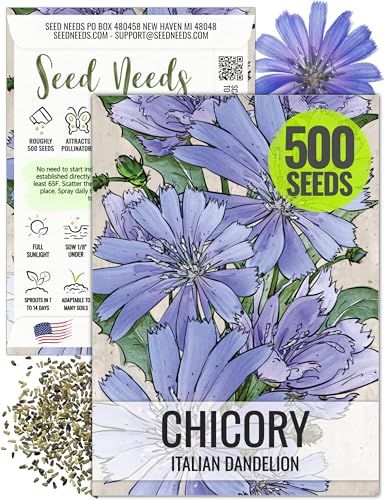
Best for: Pollinator-friendly garden beds and borders. Seed Needs offers chicory (Cichorium intybus) that grows 2–4 feet tall with a sturdy branching stem and sky-blue flowers that attract bees and butterflies. The plant thrives in full sun with well-drained soil and tolerates poorer, rocky soils, making it a reliable roadside or field-edge option for color and pollinator support.
Why selected: This variety provides classic blue blooms that open in the morning and fade by afternoon, delivering extended visual interest and pollinator energy across the summer to fall window. It’s well-suited for gardeners seeking low-maintenance perennials with dependable bloom cycles.
Caution: While hardy, ensure adequate soil drainage to prevent root rot in overly damp spots. Plan for a sunny location to maximize flowering potential.
KVITER 550 Chicory Seeds For Planting

Best for: Long-term perennial borders and edible gardening. KVITER seeds promise blue chicory with edible leaves and roots, thriving as a hardy perennial across USDA zones 2–11. It tolerates drought once established and performs in both rich and poor soils, making it versatile for open gardens and larger plots.
Why selected: Easy direct sowing and a broad hardiness range make this a practical option for gardeners who want a resilient perennial that can reseed season after season.
Caution: Young plants require moderate moisture during germination; avoid overly dry starting conditions to ensure robust establishment.
Outsidepride Chicory Seeds For Planting (5000 Pcs)
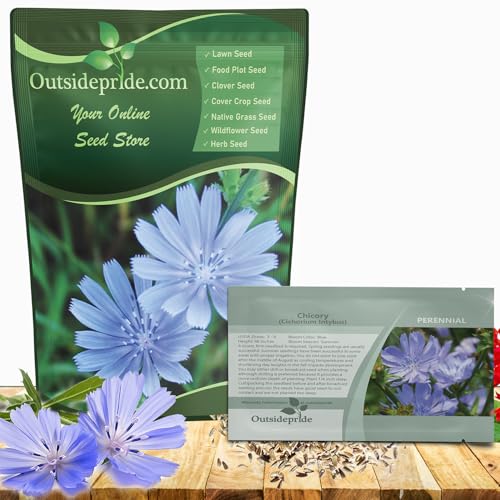
Best for: Large-scale forage and pollinator meadows. This bulk package yields tall, pastel blue flowers that attract bees and butterflies. As a 5000-piece lot, it’s well-suited for expansive pastures, wildflower meadows, or wildlife-friendly landscapes that require durable, repeatable plantings.
Why selected: Its tall growth and consistent flowering create a strong vertical accent while delivering sustained bloom across the season, which supports pollinator habitats and wildlife feeding areas.
Caution: Large batches require careful spacing and soil preparation to ensure even germination and uniform bloom, especially in windy or exposed sites.
Whitetail Institute Chic Magnet Seed
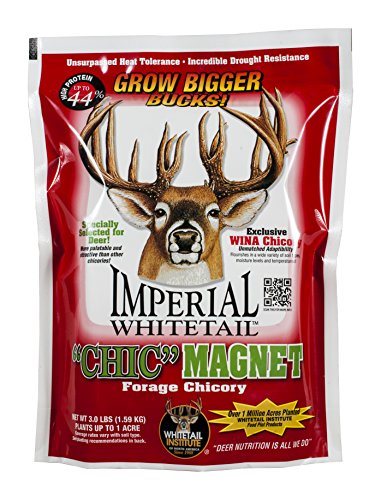
Best for: Deer food plots seeking high palatability and nutrition. The WINA-100 perennial chicory is noted for being more tender and palatable to deer than typical chicory types and can contribute up to 44% antler-building protein. It’s also highly drought-tolerant and suited for climate variability.
Why selected: The combination of tenderness and high protein makes this option ideal for wildlife managers and hunters who aim to support antler growth with enduring forage.
Caution: Select planning areas with adequate drainage and consider planting alongside other forage to balance grazing pressure and prevent overuse of a single species.
Domain Outdoor Hot Chic Food Plot Seeds
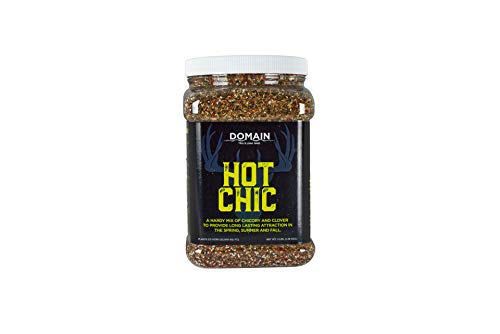
Best for: Cold-season perennial forage blends. This mix combines chicory with clover varieties designed to tolerate acidic soils and drought, lasting several years in PH-tolerant environments. It’s suited for deer and turkey forage in mixed habitats.
Why selected: The inclusion of hardy perennials and nutrient-rich forage offers a practical long-term solution for wildlife plots, reducing replanting needs while sustaining habitat quality across seasons.
Caution: PH tolerance varies with soil conditions; testing soil pH and amending as needed will maximize establishment and growth.
Buying Guide: Chicory Seeds For Planting
- Purpose: Decide whether you want ornamental blue blooms, edible leaves/roots, or wildlife forage. Perennial options reduce replanting but may take longer to mature.
- Climate and soil: Check USDA hardiness zones and soil pH tolerance. Chicory often prefers full sun and well-drained soils but can tolerate poorer soils in many climates.
- Size and height: Consider how tall the plants will become (roughly 2–4 feet or up to 4–5 feet) and whether you need vertical interest or ground cover.
- Water needs: Some varieties are drought-tolerant once established, while others require steady moisture during germination and early growth.
- Forage and pollinators: If supporting wildlife, look for varieties explicitly noted as attractive to bees, butterflies, or deer, and consider blending with other forage plants.
- Spacing and bed prep: Large seed lots require proper spacing and soil preparation to ensure even germination and growth.
Frequently Asked Questions
- What is chicory best used for in a garden? It can be grown for ornamental blue flowers, edible greens and roots, or wildlife forage depending on the variety.
- Are chicory seeds easy to grow? Yes, most chicory seeds are straightforward to sow directly in early spring with adequate moisture and sun.
- Can chicory survive drought? Many chicory varieties tolerate drought once established, but consistent moisture improves early establishment.
- Will chicory come back each year? Perennial chicory varieties typically return yearly in suitable climates, reducing reseeding needs.
- Is chicory good for pollinators? Yes, chicory blooms attract bees and butterflies, supporting pollinator habitats.
- Which chicory is best for deer? Varieties marketed as deer forage or “Chic Magnet” are designed for higher palatability and nutritional value for antler growth.