Answer: Citrus-based sprays make natural, effective options for homeowners seeking pest control with fewer harsh chemicals. These products leverage orange oil, peppermint oil, lemon eucalyptus, or other citrus-derived ingredients to deter or kill common household and garden pests. This guide highlights five practical choices and explains who each product is best for, plus any limitations to consider. Suitable buyers include homeowners with kids or pets who want safer options, gardeners seeking eco-friendly controls, and outdoor enthusiasts facing seasonal pests.
Summary table of selected products:
| Product | Best For | Why It Stands Out |
|---|---|---|
| Orange Guard Home Pest Control Spray | General household pests; families | All-natural orange peel oil; multi-pest repellent |
| Mighty Mint Peppermint Oil Insect Repellent Spray | Indoors and outdoors; pets around | Plant-based peppermint formula; strong deterrent |
| BioAdvanced Fruit & Citrus Tree Insect Control Concentrate | Fruit trees and edible plants | Long-lasting, targeted for orchard pests |
| Cutter Lemon Eucalyptus Mosquito and Insect Repellent | Outdoor recreation; mosquitoes | DEET-free citrus repellent |
| Wondercide Indoor Pest Control Spray | Indoor pest control; homes with pets | Essential-oil-based; broad spectrum |
Orange Guard Home Pest Control Spray With D-Limonene

Features: Repels insects including ants, roaches, fleas, and silverfish. Made with 100% natural orange peel oil (D-Limonene) as the active ingredient (5.8%). Pet and family friendly when used as directed.
Best for: This product is ideal for households seeking a gentle, natural barrier against a wide range of crawling insects without synthetic pesticides. It is especially suitable for kitchens, bathrooms, and entry areas where kids or pets frequent. It’s a good first line of defense for perimeter spraying and spot treatments.
Why selected: It uses a clearly citrus-based active ingredient proven for repelling and reducing insect activity. The all-natural approach and broad pest coverage make it a strong fit for general indoor pest management.
Limitations: As with many essential-oil based sprays, efficacy can vary by pest and surface. It may require repeated applications for persistent infestations and may not be a stand-alone solution for heavy infestations.
Mighty Mint Peppermint Oil Insect Repellent Spray
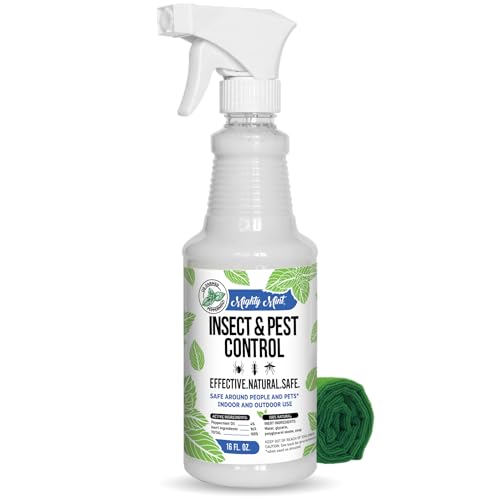
Features: Plant-based peppermint oil formula. PET-FRIENDLY and family-safe when used as directed; extra-concentrated peppermint oil acts as a deterrent for spiders, ants, roaches, and more. Suitable for indoor and outdoor use on baseboards, entryways, patios, and living spaces.
Best for: Homeowners seeking a strong, aroma-based deterrent around living areas and pet-friendly households. Effective for repelling a broad spectrum of common indoor and outdoor pests without harsh chemicals.
Why selected: Its peppermint oil content provides a robust, plant-based defense with clear guidance for interior and exterior application. The product emphasizes safety around pets and kids when used as directed, which is valuable for family homes.
Caution: Not recommended for use around birds or exotic pets. Strong peppermint scent may be overpowering in small rooms; air out after application if needed.
BioAdvanced Fruit & Citrus Tree Insect Control Concentrate

Features: Kills listed fruit and citrus tree insects such as aphids, whiteflies, leafhoppers, and more. Protects up to two months and can be used on a variety of fruits, vegetables, and ornamental plants. No spraying required—mix concentrate and apply at the base of trees.
Best for: Gardeners and fruit growers looking for a long-lasting, convenient solution to protect citrus and other fruit trees and nearby edibles from common pests and some diseases.
Why selected: It targets garden-specific pests with a longer protection window and is suitable for fruit production, making it a practical choice for backyard orchards or mixed plantings.
Caution: Use as directed to avoid damage to non-target plants. Ensure proper mixing and base application to maximize effectiveness and minimize drift to non-target species.
Cutter Lemon Eucalyptus Mosquito And Insect Repellent
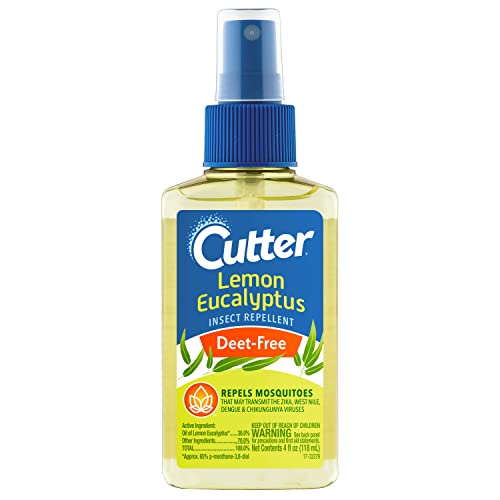
Features: DEET-free formula that repels mosquitoes, including strains that carry West Nile virus. Active ingredient derived from leaves of the Lemon Eucalyptus tree. Creates a barrier against outdoor mosquitoes and other biting insects.
Best for: Outdoor activities such as hiking, camping, or backyard gatherings where mosquito exposure is a primary concern. Suitable for those seeking a DEET-free citrus-based repellent.
Why selected: The lemon eucalyptus-based active ingredient provides effective outdoor protection without synthetic chemicals, aligning with readers who prefer citrus-derived repellents for personal use.
Caution: Not recommended for use on infants under 3 years old or on irritated skin. Reapply according to label directions when outdoors for extended periods.
Wondercide Indoor Pest Control Spray

Features: Plant-powered spray that kills and repels indoor pests, including ants, roaches, spiders, flies, fleas, and more. Safe around dogs and cats when used as directed. Contains natural essential oils such as lemongrass.
Best for: Homes seeking a broad-spectrum indoor solution that relies on essential oils rather than synthetic chemicals. Useful for general home defense against flying and crawling pests.
Why selected: Wondercide combines a broad pest target with a ready-to-use format and a safety profile appropriate for households with pets when used as directed. The essential-oil base is attractive for readers prioritizing natural ingredients.
Caution: Essential-oil blends can momentarily perfume spaces; ensure proper ventilation during and after application and test on delicate surfaces first to avoid staining.
Buying Guide: Citrus Sprays For Bugs
What should you consider when choosing a citrus spray?
- Pest type: Some sprays are broad-spectrum, while others target specific pests like mosquitoes or garden insects. Match the product to your primary pest issue.
- Indoor vs outdoor use: Outdoor products may offer stronger deterrents for mosquitoes or yard pests, while indoor formulas should be safe for living areas and pets when used as directed.
- Active ingredient origin: Citrus-based ingredients (D-Limonene, orange oil, lemon eucalyptus) provide natural options; peppermint oil adds a strong deterrent but with scent considerations.
- Safety and pets: Check label directions for pet safety and child safety. Some formulations are pet-friendly when used properly; others require precautions around birds or exotic pets.
- Application method: Ready-to-use sprays vs concentrates. Concentrates may require mixing and longer setup times but can extend coverage. Consider surface compatibility and spraying targets (baseboards, soil, foliage).
How to apply citrus sprays effectively?
- Clean and dry surfaces before applying to improve adhesion and effectiveness.
- Apply along entry points, windows, baseboards, and plant bases where pests hide or travel.
- Reapply as directed by the product label, especially after rain or cleaning.
- For garden uses, apply at the base of plants to protect roots and lower stems; avoid direct spraying on blossoms unless specified.
Safety and environmental considerations
- Avoid over-application near wildlife, birds, or exotic pets unless the label permits such use.
- Test on a small surface area to check for staining or adverse reactions to plants or finishes.
- Store away from children’s reach and follow all disposal guidance on the label.
Quick comparison by use-case
- Best for general indoor pest control: Orange Guard or Wondercide.
- Best for pet-friendly homes with a strong deterrent: Mighty Mint.
- Best for fruit and citrus trees: BioAdvanced Fruit & Citrus Tree Insect Control Concentrate.
- Best for outdoor mosquito protection: Cutter Lemon Eucalyptus.
Frequently asked questions
- Are citrus sprays safe for households with pets? Many are pet-friendly when used as directed; always read the label for safety guidance.
- Do citrus sprays kill insects or just repel them? Some formulations act as repellents, while others kill certain pests on contact or over time. Check the product details for specifics.
- Can I use citrus sprays on edible plants? Some products are designed for edible gardens; others are not. Follow label instructions for site-specific use.
- How often should I reapply? Reapplication frequency depends on the product and environmental conditions; follow label guidance.
- Do citrus sprays leave residues or odors? Plant-based oils can leave a noticeable scent; most dissipates over time, but air circulation helps.
- What’s the best citrus spray for a wooden deck or carpenter bees? Citrus-based deterrents can help deter nesting, but specialized carpenter-bee sprays may be needed for robust infestations.