Gardeners in Zone 8 seek climbing roses that thrive in warm winters, long growing seasons, and well-drained soil. The following selections are well-suited to Zone 8 conditions, offering strong root systems, repeat blooms, and easy maintenance. Below you’ll find five climbers with robust features and practical care guides to help you achieve a lush, fragrant vertical statement in your yard.
| Product | Zone Range | Bloom Style | Root Type |
|---|---|---|---|
| Eden Climber by Heirloom Roses | 5-10 | Bright pink, abundant clusters | Own Root |
| Seven Sisters Climbing Rambler | Various hardiness, broad resilience | Double pink, fragrant clusters | Not specified as Own Root |
| Reach for the Skies Climbing Rose | 6-10 | Pink, tall blooming canes | Own Root |
| Cloud 10 Climbing Rose | 5-10 | White, prolific blooms | Own Root |
| Candy Land Climbing Rose | 5-9 | Pink, cheerful clusters | Own Root |
Eden Climber Rose Plant — Heirloom Roses

The Eden Climber from Heirloom Roses is an own-root climber designed for easy care and vigorous growth in Zones 5 through 10. As an own-root plant, it tends to produce more blooms and establish a hardy, true-to-variety plant over time, which is advantageous for Zone 8 gardens that experience steady blooming cycles. Delivered in a one-gallon container, this plant is typically 12–16 months old, ensuring it is sufficiently mature to begin vigorous climbing on supports such as trellises, arbors, or fences. Gardeners should provide full sun to partial sun and well-draining soil to maximize bloom production and cane length. Pruning after the main bloom period can help maintain a balanced arching growth habit. This variety is noted for its hardiness and reliable flowering across seasons, making it a strong candidate for a standout climbing display.
Care considerations include regular watering during dry spells, especially for established plants, and occasional feeding with a balanced rose fertilizer to sustain growth. Since it is an own-root plant, monitoring for aphids and common rose pests remains prudent, though the robust root system helps resist some issues. For Zone 8, Eden Climber can create a dramatic pink cascade with multiple flushes of bloom from late spring into fall, depending on your climate year and pruning strategy.
Seven Sisters Climbing Rambler — Emerald Goddess Gardens

The Seven Sisters Climbing Rambler is celebrated for its historical charm and resilience. While the product listing emphasizes broad hardiness and ease of growth, this rose is not always labeled as own-root; nonetheless, it offers heavy clusters of double pink blossoms and a strong, rambling habit that suits large trellises, fences, or pergolas. Gardeners in Zone 8 can expect a reliable performer once established, with plants thriving in full sun and fertile, well-drained soil. Pruning after bloom helps shape the plant and encourage repeat flowering. This rose is well-suited for those who want a classic, fragrant climbing variety with a storied lineage and substantial garden presence.
Care guidance centers on consistent watering, especially during hot spells typical of Zone 8 summers, and light seasonal feeding to support vigor. Regular preventative care from pests and diseases helps maintain a healthy canopy and abundant flowering. The Seven Sisters Rambler can deliver a nostalgic, old-world appeal with a forgiving growth pattern that suits both new and experienced rose enthusiasts.
Reach for The Skies Climbing Rose — Heirloom Roses
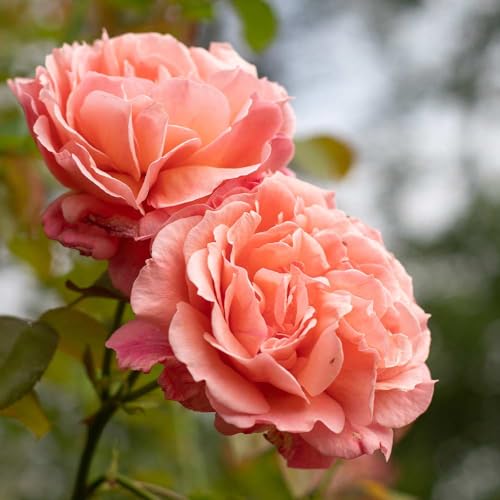
Reach for The Skies is a pink-climbing rose with a tall, graceful growth habit, typically offered in a one-gallon container and marketed toZone 6–10 regions. The owner-root approach contributes to plant hardiness and robust bloom cycles, making it attractive for fences, walls, or garden teardrops that need vertical drama. As with many climbers, establishing a solid trellis system is essential to supporting vigorous canes and keeping the plant balanced. The fragrance and color palette can enhance borders and focal points, offering a bright accent in sunny garden spaces. Regular mulching and watering during the first growing season help ensure a strong establishment and a steady sequence of blooms throughout the summer months.
Plant health benefits from pruning after the main flush, removing spent wood, and training canes to open the center for air circulation. In Zone 8, this rose can provide a long, eye-catching bloom period with minimal stress when soil quality and sun exposure are optimized. Monitoring for common rose issues and applying a preventative spray schedule as needed can help maintain consistent performance year after year.
Cloud 10 Climbing Rose — Heirloom Roses
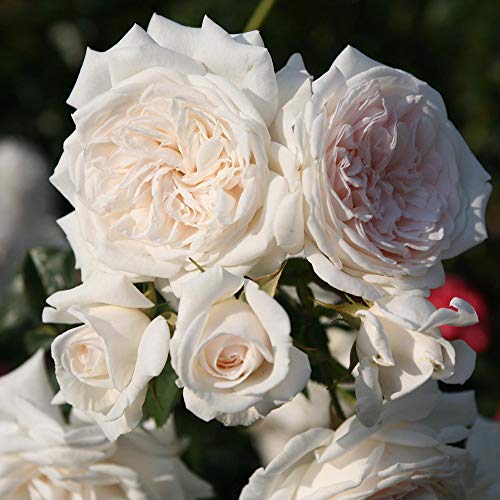
Cloud 10 is a white-climbing rose that offers graceful, prolific blooms with a disease-resistant profile suitable for Zone 8 gardens. As an own-root plant, it tends to establish quickly and develop a sturdy framework of canes that can be trained over time. The one-gallon container ensures reasonable readiness for planting, with care requirements including full sun and well-draining soil to maximize bloom production and plant vigor. Cloud 10’s clean white flowers add a crisp, bright aesthetic to a garden wall, arch, or fence line, and it can provide a striking contrast when paired with deeper-hued companion plants. Regular feeding and proper pruning after flowering help sustain a long flowering season.
For ideal performance in Zone 8, ensure adequate hydration during heat waves and monitor for common pests. A light annual feeding schedule supports continued vigor, while deadheading spent blooms can encourage another bloom cycle each season, contributing to a continuous display across summer into early fall.
Candy Land Climbing Rose — Heirloom Roses

Candy Land is a pink climbing rose offered in a one-gallon pot, suitable for zones 5–9. It’s described as an own-root plant, which can contribute to hardier growth and more blooms over time. The climbing habit makes it an excellent choice for arbors, trellises, and tall garden walls in Zone 8. Gardeners should aim for full sun exposure and rich, well-drained soil to maximize flowering and cane development. Regular pruning after blooming can help maintain a balanced shape and promote new growth for the next season. Candy Land’s cheerful color palette can pair well with evergreen backdrop plants or complementary florals for a vibrant focal point in the landscape.
Care practices emphasize consistent moisture, especially during dry periods, and periodic feeding with a rose-specific fertilizer. As with other climbing roses, monitoring for pests and disease is important; proactive pruning and sanitation reduce risk and support a long, aesthetically pleasing climbing display in Zone 8 climates.
Buying Guide: Climbing Roses for Zone 8 — Key Considerations and Comparisons
- Root type: Own-root roses tend to establish faster and may be more cold-hardy than grafted varieties, which can be advantageous in Zone 8’s variable winter conditions.
- Hardiness range: Choose varieties that tolerate Zone 8’s heat and occasional cold snaps. Look for zones on product listings to gauge suitability for your microclimate.
- Blooming pattern: Some climbers bloom in a single flush, while others offer repeated bloom cycles. If you want continuous color, prioritize repeat-blooming varieties.
- Growth habit: Tall climbers require sturdy support and space. Consider location (fence, trellis, wall) and ensure the structure can handle mature canes.
- Soil and sun: Most climbing roses prefer full sun and well-draining soil. Improve soil with compost and ensure irrigation meets plant needs during hot spells.
- Maintenance: Pruning, deadheading, and pest prevention influence performance. Choose varieties with disease resistance to minimize maintenance in sunny Zone 8 summers.
- Watering strategy: Establish a deep, infrequent watering routine to encourage deep root growth and reduce issues with crown rot or weak canes.
- Aesthetic pairing: White or pink climbers pair well with evergreen shrubs and contrasting foliage, providing versatility for landscaping schemes.
- Delivery and maturity: Older, established plants (12–16 months) offered in one-gallon pots tend to adapt quickly, but ensure root health and overall vigor upon arrival.
- Maintenance schedule: Create a seasonal calendar covering pruning, feeding, pest monitoring, and mulch applications to maintain a healthy climbing rose canopy.
Zone 8 gardeners can benefit from a diverse selection of climbing roses that combine hardiness, vigorous growth, and striking blooms. When selecting varieties, consider your space, sun exposure, and how you want the blooms to read from ground level to treetop. With thoughtful placement and consistent care, these climbers can deliver a reliable, multi-season focal point for walls, fences, and arbors throughout the growing year.