Coarse sand is a popular choice for succulent care because it improves drainage, prevents root rot, and adds decorative texture to pots and terrariums. This guide highlights five coarse sand products that are well-suited for succulents, cacti, and related arrangements. Each option prioritizes natural materials with minimal additives, helping you choose the best fit for your plant setup and decor style.
Buyer note: ideal users include beginners building well-drained succulent mixes, hobbyists wanting decorative topdress, and terrarium enthusiasts seeking natural textures. The following table summarizes the five recommended products and their primary strengths.
| Product | Best For | Size / Weight | Main Benefit |
|---|---|---|---|
| SHIZWU 5LB Coarse Sand | General succulent pots and pave-work | 5 lb; 2-4 mm | Natural, uncoated gravel for drainage and surface finishing |
| NUPICK 1-2mm Coarse Sand (6lb) | Long-term potting and soil aeration | 6 lb; 1-2 mm | Durable silica sand; improves drainage and moisture balance |
| Rahato 1-2mm Coarse Sand (6lb) | Terrariums, succulents, and decorative use | 6 lb; 1-2 mm | Natural, reusable sand with versatile decoration potential |
| NUPICK 1-2mm Coarse Sand (3lb) | Top dressing and vase fillers | 3 lb; 1-2 mm | Lightweight, decorative, Splash-proof |
| Pulovin 2.5 lbs Coarse Sand | Aquarium and succulent displays | 2.5 lb; 1/5 inch (approx) | Versatile color and size mix for varied looks |
SHIZWU Coarse Sand For Succulents

Best For: Beginners setting up succulent pots or decorative surface coverings. This product provides 2-4 mm natural gravel that drains well and adds a clean, natural look. Best used as a top layer or potting mix topper to improve drainage and aesthetics.
Why Selected: It is natural, free of waxes or added substances, and specifically marketed for succulent paving and decorative applications in pots and terrariums. The 2-4 mm sizing offers a visible texture that complements modern and rustic planters.
Caution: Avoid using if you need very fine substrates for micro-rooting, as the 2-4 mm size is relatively coarse for delicate root systems.
NUPICK 1-2mm Coarse Sand (6lb)
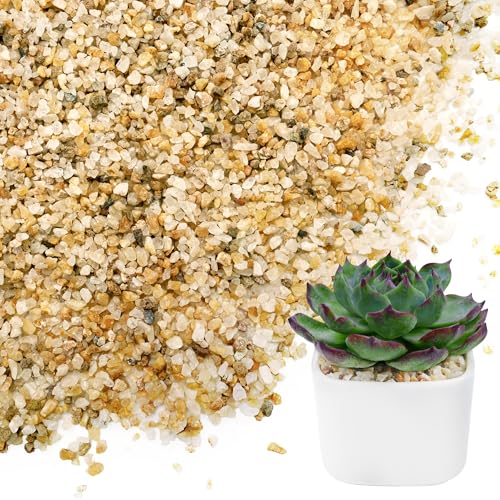
Best For: Potting soils where improved drainage and moisture balance are desired, especially for succulents, cacti, and container gardening. The 1-2 mm grain size aids aeration and root health when mixed with soil at a 1:3 ratio.
Why Selected: It uses natural silica with no dyes, designed for long-term use in planters and decor. It doubles as a decorative top layer that reduces soil spillage and enhances presentation.
Caution: Do not rely on it as a sole soil substrate for extremely water-retentive environments; it should be paired with appropriate potting mix for best results.
Rahato 1-2mm Coarse Sand (6lb)
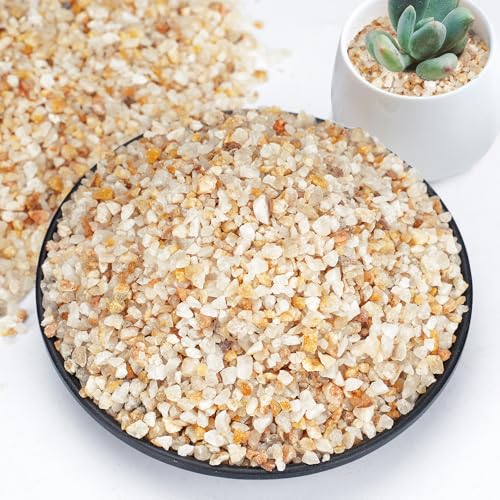
Best For: A versatile option for drainage on potted plants, terrariums, aquariums, and decorative displays. Suitable for both soil topdressings and bottom substrate layers.
Why Selected: It emphasizes natural, reusable coarse sand with good drainage properties and broad decorative application, including vases and landscaping.
Caution: The broader use in aquariums requires thorough washing before first use to remove dust and debris.
NUPICK 1-2mm Coarse Sand (3lb)
Best For: Top dressing and vase fillers where a subtle desert-gold hue complements succulent tones. The 1-2 mm grain is visible but not overly coarse, making it versatile for display purposes.
Why Selected: It is a repeat NUPICK offering with the same natural composition and decorative appeal, useful for smaller projects or quick refreshes.
Caution: For larger planters, consider a larger bag to ensure consistent coverage and avoid color variation across batches.
Pulovin 2.5 lbs Coarse Sand

Best For: Aquarium displays, terrariums, and succulent planters where varied color tones and sizes add depth. The 1/5 inch sizing offers a bold, eye-catching look.
Why Selected: It combines decorative appeal with practical drainage benefits, making it suitable for mixed-use setups that include both plants and decorative elements.
Caution: As a larger-grain option, it may dominate other substrates; use in combination with finer components if a subtler texture is desired.
Buying Guide: Key Purchase Considerations
- Grain size and drainage: For succulents, aim for 1-2 mm to 2-4 mm grains that provide adequate drainage without compacting soil.
- Material and additives: Prefer natural silica sands with minimal dyes or coatings to avoid chemical interactions with plant roots.
- Usage scenario: Topdressing vs. mixed substrate—topdress for aesthetics and moisture control; mixture with potting soil improves aeration.
- Color and aesthetics: Choose tones that complement plant colors and pot designs; decorative gravels can enhance terrarium visuals.
- Wash and prep: Some sands may contain dust; rinse before use in terrariums or aquariums to prevent cloudiness.
- Volume needs: Estimate bag sizes based on planter surface area and desired depth; several lighter bags can be easier to handle than one large bag.
Frequently Asked Questions
- Q: Is coarse sand good for all succulents?
A: It improves drainage and reduces compaction, but some species prefer slightly finer substrates. Consider mixing with a succulent-optimized potting mix. - Q: Should I wash coarse sand before using it?
A: Yes, especially for aquarium or terrarium use, to remove dust and reduce turbidity in the display. - Q: Can I use coarse sand as the sole growing medium?
A: Not typically recommended; combine with a cactus/succulent potting mix to provide nutrients and structure. - Q: How much coarse sand do I need for a display?
A: Measure surface area and desired depth; a few pounds cover common small pots, while larger planters need more volume. - Q: Are colored sands safe for plants?
A: Many colored sands are natural or minimally treated; check for dyes or additives if you are uncertain about plant compatibility. - Q: Can I reuse coarse sand?
A: Yes, many sands are reusable after cleaning; ensure there is no buildup of salts or debris that could affect plant health.