When choosing coco coir for mushroom cultivation, pick a product that is clean, easy to hydrate, and reliable for consistent results. This guide highlights five coconut coir products that suit mushroom farmers, beginners, and hobby growers alike. Each option is evaluated for substrate quality, expansion, and suitability for mushroom production, with practical notes on best use and potential limitations.
Overview table: Top picks for mushroom-focused coco coir
| Product | Best For | Why It Stands Out |
|---|---|---|
| North Spore ‘Myco Coco’ | Mushroom substrates; beginner to intermediate | Triple-washed, calcium-buffered, RHP certified for clean, low-salt expansion |
| Boomer Shroomer Dry Bulk Substrate | Monotub-style mushroom grows | CVG blend designed for pasteurization-ready substrate |
| ZeeDix Coco Coir Brick | Small to mid-scale projects | 2 bricks expand to substantial volume; low EC and balanced pH |
| Riare Organic Coco Coir Bricks | Soil-substrate substitutions | 2 bricks; high expansion and moisture retention |
| PlantOnix Coco Coir Bricks (650g, 6-Pack) | Seed-starting and mushroom prep | Pre-washed, pre-screened; strong expansion |
North Spore ‘Myco Coco’ Compressed Coco Coir Substrate & Casing Layer

What it is: A compressed coco coir brick that expands into a ready-to-use substrate and casing layer. This product is designed for professional-grade use in mushroom cultivation, with emphasis on clean expansion and consistency.
Best for: Mushroom growers who want a reliable, clean starting medium that reduces salt and pathogen risk. Ideal for enthusiasts who prefer a streamlined substrate that expands to a uniform texture.
Why selected: It is triple-washed to reduce sodium, calcium-buffered to support stable mineral availability, and RHP certified, which indicates rigorous quality control for cleanliness and safety during expansion. These features help minimize nutrient lockout and contamination concerns during the crucial early stages of mycelial growth.
Limitations: Some users may require additional supplementation or casing mixes depending on their specific mushroom strain and agar-to-substrate ratios. It is designed to be used as a substrate and casing, so follow your chosen cultivation protocol for best results.
Coco Coir 650gm Bricks (5-Pack) — Organic Coco Coir For Plants & Gardening

What it is: Pre-rinsed and pre-screened coco coir bricks that expand into a clean, fluffy mix suitable for soil amendments and seed starting, with broad applicability for growing media.
Best for: Mushroom hobbyists and small-scale growers who want clean, low-impurity coir that can be mixed into substrate blends or amended into soil for adaptable cultivation setups.
Why selected: The multiple pre-screening steps remove common impurities, reducing clogging and texture variability. It also offers good moisture retention and a neutral pH, aiding nutrient uptake during colonization and fruiting phases.
Limitations: These bricks are marketed broadly for plants; users focusing strictly on dedicated mushroom substrate may need to tailor hydration and pasteurization steps to their strain and process.
Coco Bliss (10lbs) — Organic Coco Coir for Plants
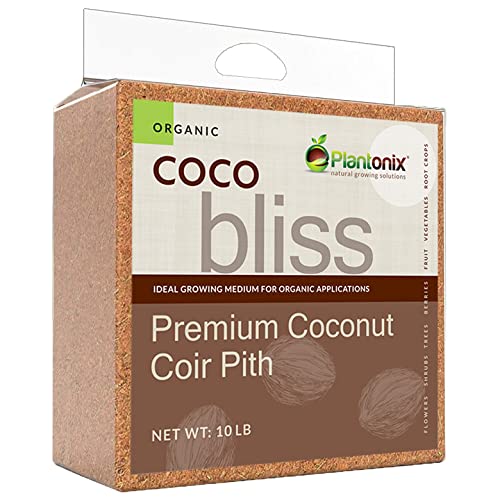
What it is: A 10-pound bag of pre-processed coco coir bricks designed as a versatile substrate and soil amendment for indoor and outdoor plant growth, including seed starters and mushroom prep blends.
Best for: Growers seeking a mid-volume option for expanding into substrate blends that can support both mushrooms and other crops with similar moisture needs.
Why selected: Pre-rinsed and pre-screened features minimize debris, while the material’s high moisture retention supports even hydration across larger substrate substrates. Neutral pH helps compatibility with a range of mushroom species.
Limitations: Best results come from using with an appropriate pasteurization or sterilization protocol; do not rely on it as a sole sterilized mushroom substrate without proper processing steps.
Boomer Shroomer Dry Bulk Substrate for Mushroom Cultivation

What it is: A dry bulk substrate kit designed specifically for mushroom cultivation, combining coco coir, vermiculite, and gypsum in proportions suitable for pasteurization and monotub setups.
Best for: Growers who want a ready-to-mhydrate base that expands predictably when boiled water is added, enabling efficient pasteurization and high-yield potential.
Why selected: The kit provides a streamlined hydration step, enabling field capacity control for consistent substrate moisture. It supports multiple monotub cycles and is well-suited for hobbyists and small cultivators.
Limitations: Requires pasteurization and proper handling to prevent contamination; ensure you adhere to safe mushroom-cultivation practices and local regulations for substrate preparation.
ZeeDix 2 Pcs Coco Coir Brick — 100% Organic

What it is: A two-brick set of 100% organic coconut coir bricks designed for efficient expansion and water absorption, delivering a ready-to-use base for seed starting and substrate mixes.
Best for: Small to medium mushroom projects that benefit from a compact, easy-to-hydrate coir block with low EC and balanced pH.
Why selected: Its strong water absorption helps achieve even hydration with less waste. The low EC reduces nutrient stress during early mycelial growth, which is advantageous for many species.
Limitations: The product is a general-purpose coir brick; users seeking highly specialized mushroom substrates may need additional amendments or sterilization steps to optimize outcomes for specific strains.
Buying Guide: Key Considerations For Coco Coir In Mushroom Cultivation
- Cleanliness and salt content: Look for products that are pre-washed, deballed, and certified by independent standards (e.g., RHP). Low salt helps prevent inhibition of mycelial growth and nutrient uptake.
- Expansion and hydration: Choose bricks or blocks that expand evenly with water to a fluffy texture. Consistency reduces handling time and helps ensure uniform substrate moisture.
- pH and EC balance: A balanced pH and low electrical conductivity (EC) support healthy mycelium colonization. Neutral to slightly acidic ranges are common starting points.
- Compatibility with pasteurization: For mushroom cultivation, the substrate often requires pasteurization or sterilization. Ensure the product can be prepared in a way that aligns with your process (bulk or mono-tub setups).
- Moisture retention and texture: Good coco coir holds moisture without becoming waterlogged. This balance reduces risks of pool formation and waterlogging, which can impede mycelial growth.
- Impurities and debris: Pre-screened or washed coir minimizes fibers, sand, and rocks that can clog gates and complicate substrate preparation.
- Scale and use-case fit: For hobby growers, smaller bricks may be ideal. For larger projects or monotub setups, bulk substrates that expand to volume quickly save time and effort.
- Safety and compliance: Choose products that advertise clean expansion and low pathogen risk; follow local regulations and best practices for handling and processing.
Frequently Asked Questions
- What makes coco coir suitable for mushroom cultivation? Coco coir provides a clean, moisture-retentive base that can be pasteurized or sterilized, supporting even mycelial growth and reliable yields when used with proper protocols.
- Should I pre-wash coco coir bricks for mushrooms? Many bricks are pre-washed or pre-screened to reduce salt and debris. Additional rinsing is often optional but can further minimize impurities depending on the supplier.
- Can I mix coco coir with vermiculite or gypsum? Yes. Many mushroom substrates use a mix of coco coir, vermiculite, and gypsum to achieve the right texture, water-holding capacity, and nutritional balance.
- Is RHP certification important for mushroom substrates? Certification like RHP indicates higher standards for cleanliness and safety in coir products, which can reduce contamination risk during substrate preparation.
- What is the best hydration method for coco coir bricks? Boil or hot water to ensure full expansion, followed by thorough mixing to achieve even moisture distribution before pasteurization or inoculation.
- Are there drawbacks to using coco coir for mushrooms? Some products may require additional nutrient supplementation or casing depending on the mushroom strain and cultivation method. Always align substrate preparation with your protocol.