Find the right compost bin for your backyard needs. This guide focuses on durable tumblers and dual-chamber styles that speed up decomposition, reduce odors, and fit outdoor spaces. Best for: small to medium gardens, busy homeowners who want hands-off turning, and those seeking neat, contained composting. The top five picks below balance capacity, design, and airflow to help you convert kitchen scraps and yard waste into nutrient-rich soil.
| Product | Best For | Capacity | Key Benefit |
|---|---|---|---|
| VIVOSUN Outdoor Tumbling Composter (43 gal) | Busy households | 43 gal | 360° rotation with deep fins for easy turning |
| Hourleey 43 Gal Dual Chamber | Gardeners who want smooth operation | 43 gal | Efficient aeration with deep fins and 360° tumbling |
| REDMON 65 Gallon Outdoor Bin | Large yards | 65 gal | Lift-off lid and 4-door access for easy loading and retrieval |
| Goplus 80 Gallon Large Bin | High-volume composting | 80 gal | BPA-free, sturdy and weather-resistant |
| Nazhura 43 Gallon Dual Chamber | Budget-conscious crafters | 43 gal | Clear guidance on turning and finishing |
VIVOSUN 43 Gallon Tumbling Composter

The VIVOSUN model uses twin chambers, allowing one side to finish while the other accepts fresh waste. Its 360° tumbling design reduces manual turning and features eight-panel deep fins to improve mixing. The unit emphasizes aeration through vents to avoid compacted piles and ensure oxygen reaches the core of the pile.
Best for: homeowners who want continuous composting without manual stirring and those with limited yard space. Choose this if you want a compact, easy-to-turn tumbler with steady ventilation. Caution: tall sides may require a sturdy location to prevent tipping in very windy areas.
Hourleey 43 Gal Dual Chamber Tumbling Bin

The Hourleey design highlights dual chambers with 360° tumbling and an efficient aeration system. It features large openings and sliding doors to simplify adding scraps or removing finished compost. The aeration holes and deep fins help break clumps and promote even decomposition.
Best for: gardeners who want simple loading/removal and strong airflow to speed processing. Better for: those who prefer a large, stable frame. Limitation: some users may find installation steps long but straightforward with the included guidance.
REDMON Outdoor 65 Gallon Bin

The REDMON bin uses 80 percent recycled materials and includes a lift-off lid with four-door access for straightforward handling of finished compost or adding new material. The design supports rapid composting through well-vented housing and sturdy construction suited to outdoor conditions.
Best for: larger yards or households that generate substantial kitchen waste. Use this if you want a lower-maintenance, roomy bin. Caution: exposed lids and doors mean more care to prevent weather-related wear over time.
Goplus 80 Gallon Outdoor Bin
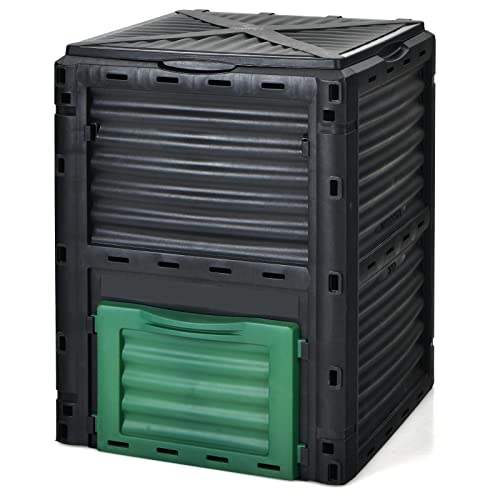
This large capacity bin (80 gallons) is BPA-free and built to withstand outdoor conditions. It features a top flip latch-on lid and a bottom exit door for easier discharge of finished compost. The construction emphasizes heat retention and moisture regulation to improve decomposition rates.
Best for: households needing frequent, large batches of compost or extended use in all weather. Choose this for simplicity and durability; avoid if you have limited space or prefer a dual-compartment workflow.
Nazhura Dual Chamber 43 Gal Composter
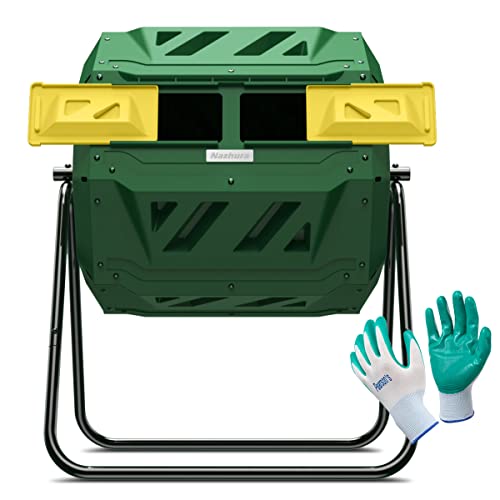
The Nazhura tumbler emphasizes a dual-chamber setup with rotating action and dual access to finished compost. The product highlights straightforward turning to aerate and Mix, with a focus on speeding the composting cycle through consistent oxygenation.
Best for: budget-minded buyers who want clear, straightforward operation. Use this if you appreciate explicit guidance on turning and finishing; caution: assembly clarity varies by user, and some setups may take a bit longer to start productive results.
Buying Guide: How To Pick The Right Backyard Compost Bin
What size fits your space and waste volume?
Consider your yard size and how much kitchen and garden waste you generate weekly. Bins range from 43 to 80 gallons. For small spaces, a compact 43-gallon tumbler can still yield rich compost with regular additions.
Do you prefer dual chambers or a single rotating drum?
Dual-chamber models let you continuously add waste while another batch finishes. Single tumblers are easier to move and turn but require more planning around batch cycles.
How important is airflow and turning?
Rotating mechanisms boost aeration, reducing odor and speeding decomposition. Look for bins with deep fins or fins arranged to break clumps and improve oxygen contact.
What materials and weather resilience matter?
Materials like BPA-free plastics are common; UV resistance and weather durability extend lifespan. Recycled-material builds add sustainability but verify structural integrity for your climate.
What maintenance features are useful?
Features such as lift-off lids, sliding doors, easy-access discharge, and clear loading points reduce handling time and mess, encouraging consistent use.
Frequently Asked Questions
- What is the primary benefit of a tumbling compost bin? It speeds decomposition by turning the pile with minimal effort and improving aeration.
- Is a larger capacity always better? Not always. Choose capacity based on your waste output and available space; larger bins handle more waste but require more space.
- How often should I turn or rotate the tumbler? Typical guidance is every few days to several times per week, depending on moisture and temperature conditions.
- Can I compost kitchen scraps year-round? Yes, with proper aeration and moisture control, bins designed for outdoor use can manage year-round composting.
- Are dual-chamber bins worth it for beginners? Yes, they help establish a continuous workflow, keeping finished compost separate from input waste.
- What maintenance helps prevent odors? Regular turning, adequate aeration, and balancing greens and browns (nitrogen and carbon sources) reduce odor buildup.