Choosing the right cover crop can boost soil health, reduce erosion, and suppress weeds in gardens of all sizes. This article highlights five top-rated options, each with practical attributes for American gardeners. Read on to compare blends, growth habits, and how they fit spring, fall, raised beds, and container gardens. A quick buying guide follows to help you pick the best fit for your climate and soil needs.
| Product | Brand | Key Benefit |
|---|---|---|
| No-Till Garden Farm and Garden Cover Crop Mix Seeds | Mountain Valley Seed Company | Nitrogen fixation, deep soil aeration, weed suppression |
| Peas, Oats, Vetch Garden Cover Crop Mix | TnT Seed Company | Nitrogen fixation, increased biomass |
| Sow Right Seeds – Cover Crop Collection | Sow Right Seeds | Weed suppression, soil improvement, erosion control |
| No-Till Cover Crop 13-Seed Mix | No-Till Solutions | Bio-diverse mix, mycorrhizal support, rhizobium inoculation |
| No-Till Cover Crop 10 Seed Mix | CZ Grain | Balanced diversity, erosion prevention, soil building |
No-Till Garden Mix From Mountain Valley

The No-Till Garden Mix from Mountain Valley Seed Company combines nine seeds to enrich soil and suppress weeds. Included varieties such as Austrian Field Pea, Hairy Vetch, and Daikon Radish contribute to nitrogen fixation, improved tilth, and deep soil penetration. The blend is suitable for no-till beds, raised beds, and container gardens, with some varieties capable of mild winter hardiness in milder climates. It matures in a typical window of 30-70 days, enabling flexible use across spring and fall plantings. This mix supports soil structure and long-term fertility for home gardens and small farms.
Peas, Oats, Vetch Garden Cover Crop Mix

This 5 lb mix from TnT Seed Company emphasizes nitrogen fixation through hairy vetch and winter peas, boosting soil fertility and plant growth. The blend also increases biomass, enriching the soil with organic matter and improving soil structure. The mixture is designed to adapt to a variety of garden conditions, providing weed suppression and nutrient cycling without reliance on synthetic inputs. It targets home gardens seeking a straightforward, effective approach to soil health and resilience.
Sow Right Seeds Cover Crop Collection

This nine-packet collection bundles popular, hardy cover crops designed to suppress weeds, improve soil health, and reduce erosion. Varieties include buckwheat, crimson clover, Dutch white clover, hairy vetch, yellow mustard, winter oats, Austrian winter pea, daikon radish, and winter rye. The seeds are non-GMO and heirloom, with clear planting instructions and coverage guidance. This option is ideal for the home gardener seeking a complete starter kit to revitalize depleted soils and support long-term garden productivity.
No-Till Cover Crop 13-Seed Mix
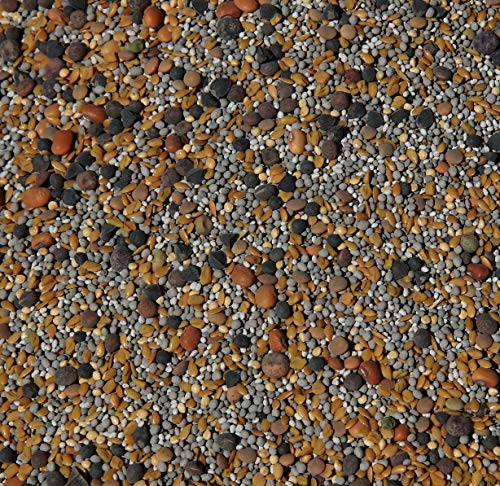
This 13-seed No-Till mix emphasizes a balanced biodiversity approach with a mix designed for broad soil health benefits. It incorporates inoculated Rhizobium to support legume nitrogen fixation and promotes beneficial mycorrhizal fungi. The diverse mix helps cultivate soil structure and humus quality, attracting a wide range of beneficial organisms. Suitable for home gardens and larger plots, this blend supports sustainable soil management through diverse root systems and nutrient cycling.
No-Till Cover Crop 10 Seed Mix

This ten-seed blend from CZ Grain provides a balanced, biodiverse cover crop option. It includes traditional favorites like white and crimson clover, oats, peas, and triticale along with companion species. It’s designed to prevent erosion, improve soil structure, and contribute organic matter. The mix is suitable for raised beds, in-ground gardens, and large plots, with easy planting guidance for gardeners new to cover crops and those seeking a straightforward soil-building strategy.
Buying Guide: Key Purchase Considerations And Comparisons
- Soil health goals: If your primary aim is nitrogen fixation, prioritize legume-heavy blends such as hairy vetch, crimson clover, and Austrian winter pea. For erosion control and soil structure, mixes with radish or buckwheat can be advantageous.
- Climate and timing: Consider winter-kill blends for regions with cold winters to reduce spring weed pressure and simplify termination. For year-round growing in milder zones, select multiple-season mixes or those with longer growing windows.
- Garden type and maintenance: Raised beds and container gardens benefit from shorter, fast-maturing varieties, while larger plots can utilize longer-season mixes. No-till friendly blends are ideal for no-till or regenerative practices.
- Biological diversity: A diverse seed mix supports a broader soil microbiome, including rhizobium and mycorrhizal fungi, which aid nutrient uptake and soil structure.
- Ease of use and coverage: Check recommended seeding rates and coverage areas. Some packets are designed to cover small beds, while others are more expansive. Inoculation and seed coating features can influence establishment success.
- Maintenance after termination: Some blends readily break down and integrate into the soil, while others may require tilling or chopping before incorporating as green manure.
- Compatibility with crops: Choose cover crops that won’t outcompete or shade the crops you’re growing, particularly in small spaces or beds with tall plants.
- What makes a good cover crop for home gardens? Look for nitrogen-fixing legumes, deep-rooted varieties to break up compacted soil, and fast-growing species that establish quickly in your climate.
- How long does it take to see benefits? Many blends begin improving soil structure and weed suppression within one to two growing seasons, though benefits continue to compound over time.
- Are there risks with cover crops? Some blends can become weeds themselves if ignored; select species suited to your climate and manage termination properly to avoid self-seeding issues.
- Should you plant multiple blends? In larger plots or mixed-use spaces, combining diverse mixes can maximize soil health, nutrient cycling, and pest suppression across seasons.
- Termination methods: No-till systems often rely on natural winter kill or mowing and chopping to terminate; in other cases, light tillage or solarization can help incorporate the biomass.