Answering the common buyer question: which indoor potting mix is best for healthy growth of houseplants? This guide compares top options to help you pick soil that supports moisture, drainage, and root development. It targets common indoor gardeners—new plant parents seeking reliable mixes, hobbyists needing longer-lasting soil, and condo dwellers aiming to minimize pests and overwatering risks.
| Product | Best For |
|---|---|
| Back to the Roots 100% Organic Indoor Potting Mix (6 Quart) | Moisture retention and root health for a variety of houseplants |
| Miracle-Gro Indoor Potting Mix (6 qt, 2-Pack) | All-around indoor plants; long-lasting feeding |
| Miracle-Gro Houseplant Potting Mix (4 qt) | Houseplants prone to gnats; relatively clean formulation |
Below are five carefully selected products. Each section explains who benefits most, why the mix was chosen, and a practical caveat to consider before purchase.
Back to the Roots Indoor Potting Mix (6 Quart)
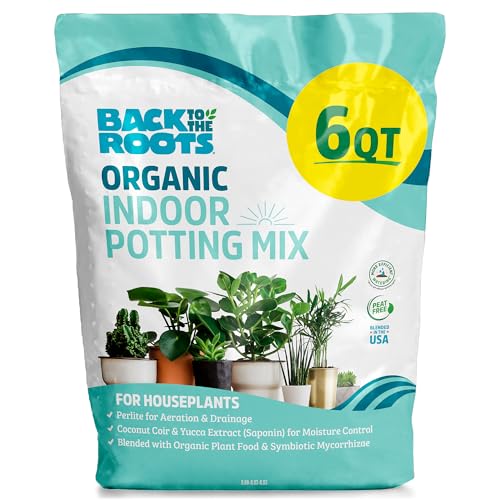
This organic mix focuses on moisture retention and healthy root development. It includes yucca extract to help soil stay moist without becoming oversaturated, supporting a wide range of indoor plants from ficus to dracaena. Root-boosting mycorrhizae provide a natural boost for nutrient uptake, which can help young plants establish faster in new pots. Best for buyers wanting an all-purpose mix that supports steady growth and fewer watering episodes.
Who it’s best for: beginners who need a reliable, moisture-smart option and seasoned growers looking to support root development without extra additives. Why chosen: moisture retention plus mycorrhizal benefits align with general houseplant care goals. Caution: peat-free formulations may drain a bit faster in very dry environments; adjust watering accordingly.
Miracle-Gro Indoor Potting Mix (6 qt, 2-Pack)
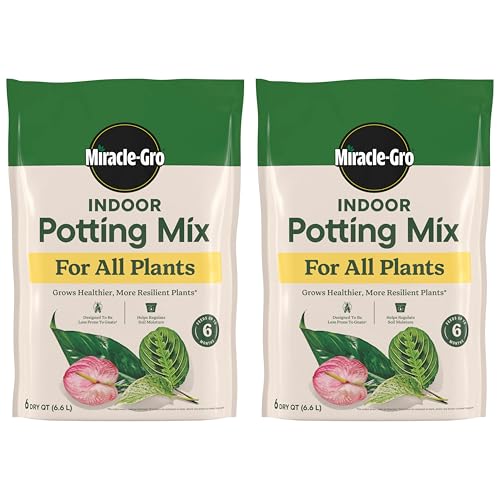
Designed as a universal potting mix for a variety of indoor plants, this product feeds for up to six months and uses sphagnum peat moss, coconut coir, and perlite for balanced moisture control and drainage. It avoids compost and bark to reduce fungus gnats, which is a practical benefit for households grappling with pest concerns. Best for: renters or busy households needing a ready-to-use mix that lasts a season or more without frequent feeding.
Why chosen: the blend supports a broad plant range with a built-in feeding cycle. Caution: long-term feeding assumes you follow the directions; overfeeding can still occur if kept in bright, hot conditions.
Miracle-Gro Houseplant Potting Mix (4 qt)

This mix is formulated to be less prone to fungus gnats by avoiding compost and bark, using a combination of perlite, sphagnum peat moss, and coconut coir. It nourishes houseplants for up to six months with an embedded fertilizer. Best for: indoor spaces where gnats are a concern or for plants that require steady, moderate feeding without extra fuss. Caution: may not be ideal for very drought-prone settings; supplement water management as needed.
Why chosen: specifically targets indoor pests while providing a stable moisture balance for common houseplants. Choose this if you want a simple, gnats-minimized option without extra steps.
Miracle-Gro Organic Indoor Potting Mix (16 qt)

This organic mix protects against overwatering and underwatering while providing a balanced baseline of nutrients through a quick-start fertilizer. It uses responsibly sourced peat, coir, and other organic materials. Best for: buyers seeking an eco-friendly option with better moisture regulation for a wide range of indoor container plants, including starter plants and herbs. Caution: larger bag size may be unwieldy for small spaces; ensure you have suitable storage.
Why chosen: OMRI-listed composition supports organic gardening goals and controlled watering. Take this if you want a larger supply with a consistent moisture profile across containers.
Rosy Soil Houseplant Potting Soil (4 qt)

Rosy Soil emphasizes living soil with biochar, worm castings, mycorrhizae, and other natural ingredients to improve nutrient and water uptake. The mix drains well, reducing root rot risk, while maintaining soil vitality from the first watering. Best for: plants that benefit from microbial life and improved drainage, such as tropicals and Monstera. Caution: biochar-based soils can be variable in texture; adjust watering if you notice slower drainage in very dense pots.
Buying guidance emphasizes a few practical considerations. For routine houseplants, choose a mix that provides moisture retention without waterlogging, offers protection against gnats, and supports root growth with beneficial microbes or slow-release nutrients. If you frequently transplant or propagate, a lighter, well-draining mix can ease root establishment. Those with a focus on organic gardening may prefer peat-free options with mycorrhizae and biochar.
Buying Guide
What should you consider when choosing indoor potting soil?
- Moisture control: Does the mix help hold moisture between waterings, yet drain well to prevent root rot?
- Gnat resistance: Is compost or bark avoided to reduce fungus gnats?
- Nutrition: Does the mix include fertilizer or nutrients for a defined feeding period?
- Root development: Are beneficial microbes or mycorrhizae included to boost nutrient uptake?
- Plant type compatibility: Is the soil appropriate for succulents, tropicals, herbs, or flowering houseplants?
- Bag size and storage: Is the bag size manageable for your space and watering schedule?
Practical tips for using indoor potting mix
- Always choose pots with drainage holes to maximize benefits from the soil blend.
- Match watering routines to the mix; some blends retain moisture longer, others drain quickly.
- Mix with a small amount of your current soil if you’re re-potting to ease transplant shock for established plants.
FAQ
- Q: Which mix is best to prevent overwatering? A: Look for blends that include perlite or coarse materials for drainage and moisture-control components.
- Q: Do I need to repot every year? A: Not always; observe root health and soil moisture. Repot when roots fill the container or soil loses structure.
- Q: Are peat-free options better for the environment? A: Peat-free blends reduce environmental impact and are increasingly common in quality mixes.
- Q: Can I use seed-starting mix for potting plants? A: Seed-starting mixes are typically finer and may not provide adequate drainage for established plants.
- Q: How do I choose for gnats-prone homes? A: Select mixes that avoid compost and bark, and consider introducing beneficial microbes in the potting zone.
- Q: Is an organic label important? A: Organic labels support certain cultivation standards and can align with eco-conscious gardening goals, though not all organic products perform the same for every plant.