Dolomite lime is a soil amendment used to raise soil pH and supply calcium and magnesium to plants. It’s particularly helpful for acidic soils and for crops prone to blossom-end rot, such as tomatoes and peppers. This guide highlights five top dolomite lime products, explains who each is best for, and shows how to choose the right option for containers, gardens, or organic systems. Each product section notes ideal buyers and any important limitations.
Summary table of selected products:
| Product | Best For | Key Benefit | Size |
|---|---|---|---|
| Organic Dolomite Lime 5LB (Cz Garden Supply) | Container gardens and Earthboxes | OMRI Listed; raises and stabilizes pH | 5 lb |
| Organic Dolomite Lime 10LB (Cz Garden Supply) | Larger container or garden beds | Organic-approved; adds calcium & magnesium | 10 lb |
| Organic Dolomite Lime 5LB Prilled (Cz Garden Supply) | Smaller spaces; easy handling | Prilled form for uniform spread | 5 lb |
| Dolomite Lime (PowerGrow Systems) 5 lb | General soil correction | Dolomitic/calcitic mix; boosts calcium & magnesium | 5 lb |
| Jobe’s Organics Garden Lime 6 lb | Organic gardening; lawns and beds | OMRI-listed; de-acidifies without synthetic chemicals | 6 lb |
Organic Dolomite Lime 5LB — Cz Garden Supply

Best for container gardens and Earthbox setups. This dolomite lime is OMRI-listed, indicating suitability for certified organic production. It supplies essential calcium and magnesium, helping plant tissues and根 development while sweetening soil to improve nutrient uptake. It’s designed to raise and stabilize soil pH, making it a solid choice for acidicContainer mixes that support tomatoes, peppers, or leafy greens. A potential limitation is that larger garden beds may require multiple applications over time to maintain pH levels.
Organic Dolomite Lime 10LB — Cz Garden Supply
Best for larger container setups and medium-to-large garden beds. This OMRI-listed dolomite lime adds calcium and magnesium while raising soil pH as needed. Its larger size reduces frequency of applications for bigger projects and stabilizes soil conditions over time. Choose this if you’re managing more soil volume or want fewer re- applications. Limitation: product availability in bulk may vary by region.
Organic Dolomite Lime 5LB Prilled — Cz Garden Supply
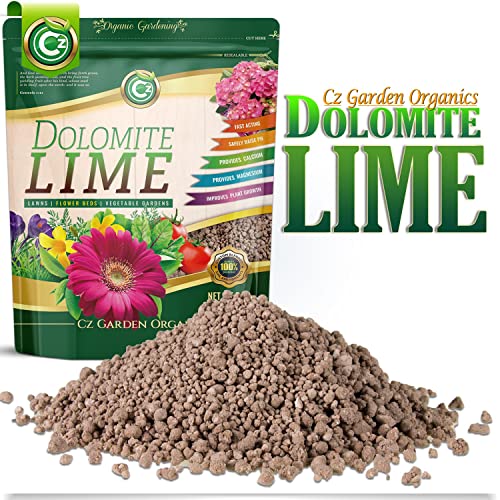
Best for precise, easy-spread applications in small spaces or raised beds. The prilled form tends to distribute more evenly than granular alternatives, aiding uniform soil correction. It’s OMRI-listed and provides both calcium and magnesium. Caution: as with all lime products, apply gradually and test soil pH to avoid overshooting the target range in sensitive plantings.
Dolomite Lime — Pure Dolomitic/Calcitic 5 Pounds

Best for general soil correction where both manganese and magnesium availability are important. This product provides a balance of dolomitic limestone that raises pH and replenishes calcium and magnesium in depleted soils. It’s suitable for vegetable gardens and container soils alike. Limitation: dolomite lime can take some time to fully adjust pH in established beds; plan amply and monitor soil tests.
Jobe’s Organics Garden Lime 6 lb

Best for organic gardeners seeking a plant-safe de-acidifier. The bag contains six pounds of organic soil-de-acidifier grains, designed to improve nutrient uptake and promote vibrant color and foliage. It’s OMRI-listed for organic gardening by the USDA and avoids synthetic chemicals. Limitation: granule size may slow dispersion in very dense soils; consider mixing thoroughly.
Buying Guide — How to Choose Dolomite Lime
- Soil pH and needs: Test soil pH before applying lime. Use dolomite lime if magnesium is also deficient; otherwise consider calcitic lime if magnesium is sufficient.
- Form factor: Prilled lime spreads more evenly in small spaces, while granular forms work well in larger beds.
- Organic compatibility: If you’re gardening organically, confirm OMRI listing as shown in product features.
- Application rate and timing: Apply gradually and re-test soil pH after a few weeks. Do not overshoot target pH.
- Container vs. in-ground: Containers require smaller, more frequent adjustments; larger gardens may need more product per season.
Frequently Asked Questions
- What does dolomite lime do for plants? It raises soil pH, provides calcium and magnesium, and can help prevent blossom-end rot in tomatoes and peppers.
- How often should I apply dolomite lime? It depends on soil pH and crop needs; retest soil every few months and adjust accordingly.
- Is dolomite lime safe for organic gardens? Yes, when OMRI-listed or certified for organic use, as shown in product descriptions.
- Can I use too much dolomite lime? Yes. Over-liming can raise pH beyond target levels and restrict nutrient uptake. Always start with recommended amounts and retest.
- Which dolomite lime is best for containers? A prilled or small-granular form that spreads evenly is ideal for precise container applications.
- Will lime prevent blossom end rot? Lime helps by raising calcium availability, but rot prevention also depends on consistent watering and overall nutrition.