Answer: For Zone 10b, choose drought-tolerant wildflower and ground-cover mixes that thrive in hot, dry conditions and full sun. The top picks below are ideal for xeriscapes, pollinator gardens, and low-water landscapes. They suit homeowners seeking long-blooming color with minimal irrigation, as well as landscape designers aiming to establish low-maintenance beds in hot climates.
Summary table of selected products:
| Product | Best For | Why It Stands Out |
|---|---|---|
| Desert Bloom Drought-Tolerant Wildflower Mix – 23 Varieties | Low-water xeriscape gardens | Broad color palette; hardy in dry heat; fast establishment |
| 16,000 Creeping Thyme Seeds | Aromatic ground covers | Dense mat formation; excellent for soil coverage |
| Gazania Seeds Mix | Bold, long-bloom color | Very large blooms; heat tolerant |
| CarpetC Mixed Verbena Seeds | Garden borders and containers | Long bloom season; drought tolerant |
| United States Nationwide All Perennial Wildflower Seed Mix | Full-sun meadows | Multi-year color; broad zone suitability |
Desert Bloom Drought-Tolerant Wildflower Mix

Best for: Desert or hot-climate gardens where water is scarce. This mix features 23 heirloom varieties that include both annuals and perennials, delivering rapid first-season color and year-to-year resilience. It’s a strong choice for dry slopes, rock gardens, and neglected beds that still need visual appeal.
Why selected: The blend is specifically designed for low water needs and high heat tolerance, with seeds adapted to harsh sun. It provides a reliable pollinator-friendly display throughout the growing season and helps establish a self-sustaining wildflower meadow with minimal upkeep.
Limitation: As with many wildflower mixes, performance depends on local microclimates and soil preparation; some species may establish more slowly if soil is extremely poor or compacted.
United States Nationwide All Perennial Wildflower Mix

Best for: Gardeners seeking a broadly adaptable mix that covers large areas and returns in multiple seasons. Suitable for lawns, borders, and large beds in Zone 10b where full sun predominates.
Why selected: This 1-pound mix includes 18 easy-to-grow species and covers up to 2,000 square feet. It is designed to attract pollinators and to perform across many U.S. zones, offering year-round color with relatively low maintenance.
Limitation: Being a generalist mix, individual species performance may vary by micro-site; some perennial species may take longer to establish before abundant blooms appear.
CarpetC Mixed Verbena Seeds
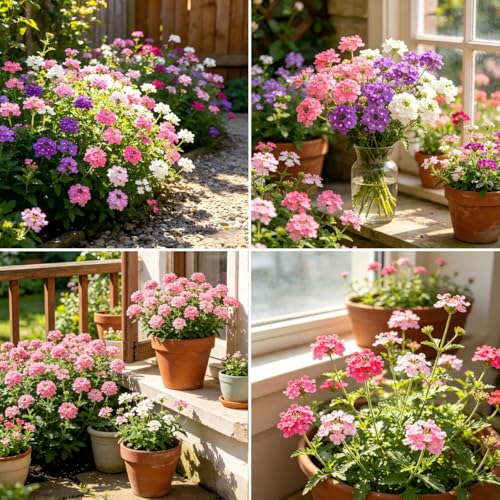
Best for: Drought-tolerant ground covers in borders, containers, and rock gardens. Ideal for gardeners who want fast ground cover with a long bloom period.
Why selected: Verbena provides dense mats and continuous color from late spring through frost. It also offers nectar-rich flowers that attract pollinators, making it a practical all-season accent plant.
Limitation: Verbenas spread via trailing stems; in overly rich soil they may become leggy or less drought-tolerant than expected.
16,000 Creeping Thyme Seeds

Best for: Ground cover in sunny areas where a fragrant, low-water carpet is desired. Suitable for walkways, edging, and patio spaces in Zone 10b.
Why selected: High germination and rapid spreading create a dense ground cover that reduces weed growth while adding color and aroma. It’s a reliable, perennial option for long-term landscaping.
Limitation: Thyme is best in full sun; partial shade can reduce flowering and coverage, and extremely clay-heavy soils may hinder establishment.
Gazania Seeds Mix

Best for: Bold, heat-loving color in beds, slopes, and containers. Gazania thrives in hot, dry summers and bright sun.
Why selected: Gazania’s very large blooms and long bloom season create dramatic focal points in drought-tolerant landscapes. The seeds yield reliable, eye-catching color that persists into autumn in warm climates.
Limitation: Gazania is typically treated as an annual in cooler regions; in Zone 10b it behaves like an almost-perennial but may require new plantings after frost-free winters. Seedling establishment can be slower in very poor soils.
Desert-Tolerant Seed Mixes Compared

Buying guide: When selecting drought-tolerant seeds for Zone 10b, consider bloom timing, soil type, sun exposure, and whether you want annuals for quick color or perennials for long-term landscape structure.
Buying Guide
What to consider before buying drought-tolerant seeds for Zone 10b:
- Sun exposure: Most Zone 10b plants require full sun; ensure chosen mixes tolerate bright light without excessive irrigation.
- Water needs: Choose mixes marketed as drought-tolerant or xeric to minimize irrigation after establishment.
- Soil type: Assess soil drainage; dry, rocky, sandy soils typically favor xeric mixes, while poor soils may benefit from mixes labeled for tough spots.
- Bloom season: For continuous color, combine annual-dominant mixes with perennials to balance year-to-year color.
- Pollinator value: Pick blends with nectar-rich varieties to support bees, butterflies, and other pollinators.
- Establishment: Some seeds need light soil cover; others require light raking or soaking. Follow planting instructions on the packet.
FAQ
- Q: Are these mixes suitable for Zones outside 10b? A: Most are designed for broad sun and heat tolerance; check local growing zones for compatibility.
- Q: How long do drought-tolerant wildflowers take to establish? A: Establishment varies by species and soil, but many natives begin blooming in the first season if conditions are favorable.
- Q: Can I plant these in containers? A: Yes, several mixes are suitable for containers or raised beds with well-draining soil.
- Q: Do these seeds require special care after planting? A: Light watering to establish seedlings is typically recommended; thereafter, reduce irrigation to encourage drought tolerance.
- Q: Will these attract pollinators? A: Many blends include nectar-rich species that attract bees, butterflies, and hummingbirds.
- Q: Can I mix these with other garden plants? A: Yes, drought-tolerant mixes can be integrated with other xeric perennials to create varied textures and color.