Looking for fake rocks for garden use that blend with natural surroundings while concealing unsightly elements? This guide highlights five top picks designed for durability, ease of placement, and convincing appearance. Best for DIY gardeners, landscape projects, and shading problem spots, these options offer lightweight, easy-to-move faux rocks with practical hiding capabilities. Each product section explains who it’s best for and why it stands out, plus a quick note on any limitations to help you decide.
Summary of selected products:
| Product | Best For | Why It Stands Out |
|---|---|---|
| Deckorators 17 in. x 10-1/2 in. x 8 in. Tan Small Landscape Rock | Small-scale concealment and accenting beds | Realistic look; lightweight for DIY placement |
| Fake Rock for Outdoor Garden Landscape Décor (11.5 x 7.5 x 5.5 in.) | Concealing equipment and pipes | Durable fiberglass composite; weather-resistant |
| NUPICK Small Fake Rock Cover (13″x10″x5″) | Versatile cover that’s easy to reposition | UV-stabilized, very light, stake-down option |
| Emsco Group Landscape Rock – Natural Sandstone, Small | Budget-friendly, natural texture blends | Two stakes included; realistic irregular shape |
Deckorators Tan Small Landscape Rock

The Deckorators Tan Small Landscape Rock is best for gardeners needing a realistic, compact rock to hide eye-sore areas like well heads or electrical boxes. Its hollow, lightweight construction makes it DIY-friendly, so you can refresh pathways and beds without heavy equipment. The rock’s natural appearance helps it blend with nearby mulch and plants. Caution: as a lightweight piece, it may shift in very windy or high-traffic locations without securing.
Fake Rock for Outdoor Garden Landscape Décor

This durable faux rock from GSM Brands is designed to mimic real stone while concealing utilities. It’s built from a robust fiberglass composite, offering weather resistance for long-term outdoor use. It’s well suited for hiding sprinkler systems, electrical boxes, or pipes. Choose this if you want a tougher, more weatherproof option that still looks natural. Limitation: fiberglass composites can be heavier than hollow foam options, affecting handling for some users.
NUPICK Small Fake Rock Cover
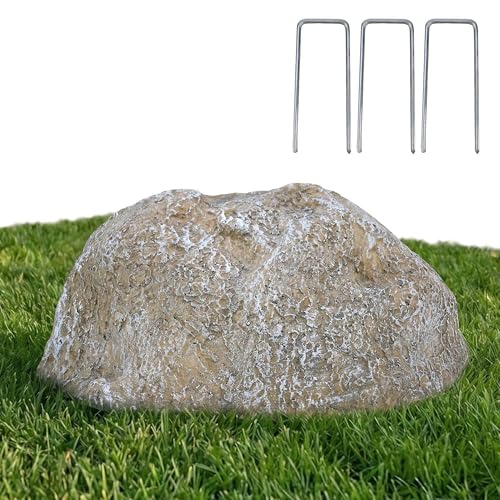
The NUPICK rock cover combines realism with practical mounting options. It’s lightweight (about 1.4 lbs) and UV-stabilized fiberglass, designed to resist fading and weather damage. Pre-drilled holes enable quick, tool-free installation, and two securing methods (freestanding or stakes) offer flexibility for windier locales. Best for gardeners who want easy repositioning while keeping a discreet look. Limitation: very light rocks may require staking in high-wind areas for stability.
Emsco Group Landscape Rock – Natural Sandstone

The Emsco Group landscape rock offers a natural sandstone appearance with a slightly irregular shape, designed to blend into gardens and lawns. It is lightweight and includes two stakes to anchor it to the ground, supporting stability in variable weather. Best for budget-conscious buyers who want a realistic look without heavy fixtures. Caution: color variations may occur due to lighting and manufacturing processes, so test against nearby elements before full installation.
Buying Guide: Key Considerations For Choosing Fake Rocks
- Material and durability: Weather resistance and weight affect longevity and placement ease. Fiberglass composites tend to be durable, while hollow foam options are easier to move but less sturdy.
- Size and scale: Choose rock dimensions that match your landscape and the area you want to conceal. Smaller rocks work well for beds and pathways, while larger pieces cover bigger unsightly spots.
- Installation method: Freestanding, stake-supported, or anchored options influence stability in wind and weather. Pre-drilled holes can simplify setup.
- Realism vs. practicality: Texture, color, and shape influence how well the rocks blend with natural surroundings. Consider a mix of textures for a more natural look.
- Placement goals: If concealment is the primary goal, target visible utilities first. If decorative accents matter, ensure the rocks complement surrounding plants.
- Maintenance: Look for UV stability and fade resistance if the rocks will face direct sun exposure. Lightweight options may require occasional repositioning.
Frequently Asked Questions
- What are fake garden rocks made of?
Common materials include fiberglass composites, lightweight foam cores, and molded plastics. Each offers different durability, weight, and appearance characteristics.
- Are fake rocks suitable for hiding sprinkler heads and electrical boxes?
Yes. Many models are designed specifically to conceal utilities while maintaining natural aesthetics.
- Can fake rocks withstand harsh weather?
Most outdoor-rated rocks are built to last, but check the product’s weather resistance and anchoring options for windy or wet climates.
- How do I secure lightweight rocks in windy areas?
Use stakes or anchor hardware, or choose heavier, pre-anchored designs to reduce movement in strong winds.
- Do fake rocks require maintenance?
Maintenance is usually minimal—wipe clean and reposition occasionally to keep the display looking natural.