Answering the question most homeowners ask: which fall fertilizer helps fescue recover from summer stress and prepare for winter? The top picks below are designed for fescue lawns, focusing on deep root growth, soil nutrient restoration, and long-lasting feeding. Ideal buyers include homeowners seeking a ready-to-use fall feed, those overseeding or repairing bare patches, and anyone aiming for stronger winter resilience. The table summarizes key points to help compare products at a glance.
| Product | Best For | Why It Stands Out |
|---|---|---|
| Scotts Turf Builder WinterGuard Fall | All grass types, fall recovery | Deep roots and recovery from heat and drought |
| GreenView Fall Lawn Food | Soil nutrient restoration, stronger roots | Extended feeding up to 8 weeks with efficient nutrients |
| Scotts Turf Builder Lawn Food | Any grass type, general maintenance | Strong roots and improved water/nutrient uptake |
| Greenview Fall Fertilizer | Winter prep, thick turf | Deep root growth and robust color |
| Lawnbox Fall Fix 5-5-5 | Organic, soil health focus | Organic, humic acid for soil health |
Scotts Turf Builder WinterGuard Fall Lawn Fertilizer
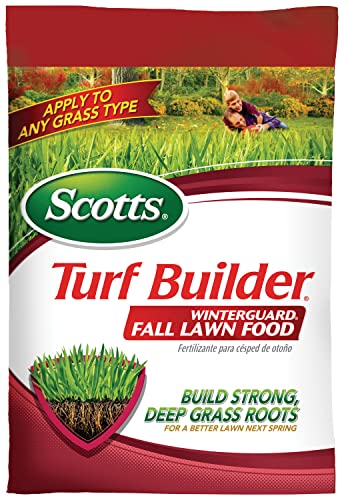
Best for: All grass types needing a fall feed to recover from summer damage. This product builds strong, deep grass roots and supplies nutrients to help lawns rebound for spring. Best used in fall when turf is actively storing energy for winter.
Why selected: It covers a broad audience with a straightforward application (wet or dry lawn) and is designed to help endure heat, drought, and activity damage. It emphasizes root development for better spring green-up.
Caution: If your lawn already has adequate soil nutrients, avoid excess application which can lead to rapid growth that may require additional mowing.
GreenView Fall Lawn Food

Best for: Lawns needing extended feeding and root support as temperatures drop. This formula is designed to restore soil nutrients lost during the hot season and promote winter resilience.
Why selected: Its GreenSmart Enhanced Efficiency Fertilizer provides sustained nutrient release for up to eight weeks, supporting root depth and overall lawn vigor through the fall and into winter.
Limitation: The extended feeding may be less ideal if your soil already has slow-release nutrients; tune application timing to avoid overfeeding during milder fall days.
Scotts Turf Builder Lawn Food

Best for: Any grass type that needs a reliable, general lawn fertilizer for ongoing maintenance and deep root support. Suitable for broad-season use with fall emphasis.
Why selected: This product emphasizes strong roots and improved resource absorption, aiding turf resilience against stress. It is a straightforward choice for maintaining a healthy lawn across seasons.
Limitation: It’s a general fertilizer; for specific fescue needs or overseeding projects, pairing with a seed mix or targeted soil amendments may yield better results.
Greenview Fairway Formula Fall Fertilizer
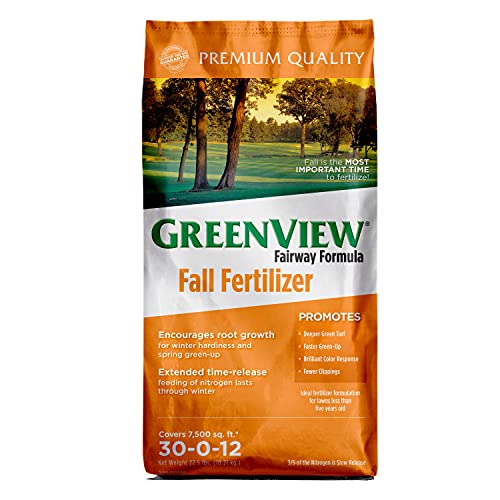
Best for: Lawns needing a premium fall feed to promote robust root growth and a vibrant color before winter dormancy. Suitable for larger areas seeking even coverage.
Why selected: The formulation targets deep root growth and thick lawn development, aiming for a better spring start and strong overall color recovery after summer damage.
Limitation: May be heavier in nutrients; ensure proper application rates to avoid overfeeding, especially on already fertile soils.
Lawnbox Fall Fix 5-5-5 100% Organic Fertilizer

Best for: Organic-focused lawns needing fall feeding, soil health, and long soil-life. Ideal when you want a natural approach to winter prep and overseeding.
Why selected: This 100% organic option includes humic acid to promote soil health and extend feeding, supporting a gradual green-up and sustainable turf vitality.
Caution: Organic-based products may act more slowly than synthetic blends; plan applications in advance to align with growth expectations and overseeding timelines.
Buying Guide: Fall Fertilizers For Fescue
- What to look for in fall fertilizer: Choose products that support root development, soil nutrient restoration, and winter hardiness. For fescue, look for balanced nitrogen with phosphorous and potassium (NPK) where appropriate for root growth and stress tolerance.
- Soil health vs. rapid green-up: Organic options promote long-term soil health, while synthetic blends often provide quicker greening. Decide based on your soil test results and goals for spring recovery.
- Application timing: Apply in late summer to early fall when the lawn is actively growing but before the first hard freeze. Avoid fertilizing if soil temperatures stay high and rainfall is minimal unless the product specifically supports such conditions.
- Overseeding compatibility: If you overseed tall fescue, consider products that include both seed and fertilizer components or plan separate seed and fertilizer applications with compatible intervals.
- Coverage and rate: Check bag coverage and apply at recommended rates to ensure even distribution. For larger lawns, consider products designed to cover multiple thousands of square feet for efficiency.
- Safety and soil impact: Always follow label directions, avoid runoff into driveways or water sources, and consider soil amendments (like humic acids) if your soil is compacted or poor in organic matter.
Frequently Asked Questions
- Which fall fertilizer is best for fescue?
Best overall choice: products that promote deep root growth and fall recovery, such as Scotts Turf Builder WinterGuard Fall or GreenView Fall Lawn Food, depending on soil needs.
- When should I apply fall fertilizer to fescue?
Typically in late summer through early fall, after hot periods subside and before first frost, ensuring the lawn can store energy for winter.
- Should I use organic or synthetic fertilizer for fall?
Organic options support soil health and longer-term sustainability, while synthetic blends can provide quicker nutrient availability. Choose based on goals and soil condition.
- Can I overseed and fertilize at the same time?
Yes, but plan timing so seed establishment isn’t overwhelmed by high nutrient availability; some products are designed to pair with seed for faster establishment.
- How much fertilizer does a typical 5,000 sq ft lawn need in fall?
Follow the product label’s rate per 1,000 sq ft and multiply to cover your total area; avoid over-application to prevent growth surges and potential disease.
- What about soil health products like humic acids?
Soil-health additives can improve nutrient retention and microbial activity, supporting longer-term turf resilience, especially in compacted or low-organic-matter soils.