Answer: For quick privacy, shade, and landscape impact, fast-growing trees like willows, poplars, and sycamores top the list. This guide highlights five Amazon-listed options that reliably accelerate screening and comfort in a residential backyard. Best for long driveways, wind protection, or creating a natural border, these picks balance rapid growth with practical considerations such as space needs and climate suitability.
| Product | Best For | Notable Benefit |
|---|---|---|
| Austree Hybrid Willow Trees (100 Live Trees) | Large projects, property lines | Very rapid growth for dense privacy |
| Green Wall Willow Privacy Tree Cuttings (10 Cuttings) | Easy start, small spaces | Ultra fast privacy screen from cuttings |
| (One) Fastest Growing Tree in The World – Austree Hybrid Willow | Fast shade in limited space | Top growth rate with simple care |
| Hybrid Willow Tree Cuttings (5 Cuttings) | New privacy or shade screens | Easy to root, strong growth |
| 3 Pack Live Pawpaw Trees | Native fruit shade and fruit production | Hardy native with edible fruit |
Tip: When selecting trees, consider your climate zone, soil type, available space, and how quickly you want screening. Willows and poplars thrive in many zones but can require ample root space and pruning to maintain compact form. Native fruit trees add edible value, while pure ornamental options emphasize bark or leaf interest. The five options below include bulk privacy strategies, easy-to-root cuttings, and native fruit trees for a well-rounded backyard plan.
Austree Hybrid Willow Trees (100 Live Trees)
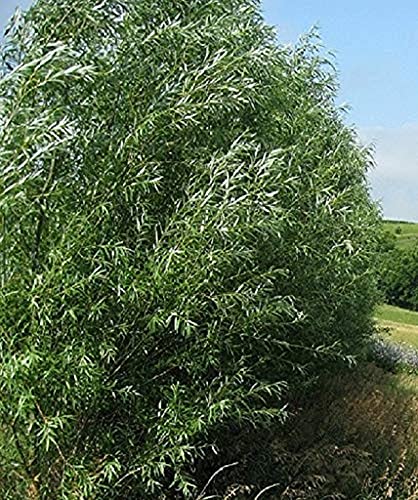
Features indicate the fastest growing privacy tree category, ideal for establishing a dense screen quickly. Growth can reach 10–15 feet per year under ideal conditions, supporting rapid shade, wind protection, and property separation. This bulk pack is suitable for lining long driveways or creating extensive windbreaks. Best for large projects where uniformity and speed are priorities. A potential limitation is space requirement and maintenance for a very dense screen over time.
Green Wall Willow Privacy Tree Cuttings (10 Cuttings)

Best for small to medium spaces and beginners, these cuttings root quickly to form a dense barrier. Plant 2–3 feet apart directly in soil for straightforward establishment. Dense foliage creates maximum coverage, making them a strong choice for natural fencing and border privacy. Limitation: cuttings may require monitoring for rooting success and early establishment in drier soils.
(One) Fastest Growing Tree in The World – Austree Hybrid Willow

Best for homeowners seeking the utmost speed in a single-tree setup. This option emphasizes the world’s fastest growth rate, delivering fast visual impact with an attractive form. Planting and growing instructions are provided to support success. Caution: extremely rapid growth may require regular pruning to maintain desired shape and prevent overcrowding in smaller yards.
Hybrid Willow Tree Cuttings (5 Cuttings)

Best for rapid privacy or shade screens from fresh cuttings that root easily. These live cuttings offer straightforward rooting and rapid establishment, with visible growth potential noted by buyers. Choose this if you want a budget-friendly, scalable privacy solution. Limitation: cuttings may require consistent moisture and warmer soils to root reliably in cooler climates.
3 Pack Live Pawpaw Trees

Best for a dual purpose: early shade and native fruit production. Pawpaw trees are hardy natives that tolerate a range of climates and provide tropical-flavored fruit for home orchards. The 3-pack supports cross-pollination and greater fruit yield. Caution: pawpaws require specific pollinators or proximity to compatible trees to maximize fruit set.
Buying Guide
What should I consider before buying fast-growing backyard trees?
- Space and mature size: Some trees can dominate space quickly; ensure room for roots and canopy to develop without interfering with structures or utilities.
- Climate and soil: Confirm hardiness zones, soil type, and water availability compatible with the species.
- Purpose: Decide whether you need privacy, shade, windbreak, erosion control, or fruit production.
- Maintenance: Consider pruning needs, potential invasiveness, and root systems that may affect sidewalks or pipes.
- Initial cost vs long-term value: Bulk packs may offer savings for large projects, while cuttings suit smaller spaces or budget-conscious plans.
How do I plant fast-growing trees for best results?
- Dig a wide, shallow hole and amend soil if needed for drainage and root growth.
- Water deeply after planting and apply mulch to conserve moisture and suppress weeds.
- Establish a pruning plan to guide shape and health, especially for trees with aggressive growth.
- Monitor for pests and disease, adjusting care as seasons change.
What are common downsides of ultra-fast growers?
- Overly dense canopies may require regular pruning to maintain light penetration and health.
- Some fast growers have broad root systems that may affect foundations or underground utilities if planted too close.
- Certain species may be less drought-tolerant or require consistent moisture to reach maximum growth.
Frequently Asked Questions
- What is the fastest way to establish a privacy screen with trees? Answer: Choose high-growth species like Austree hybrids and plant them in a row with proper spacing and early pruning to form a dense barrier quickly.
- Are willow cuttings suitable for beginners? Answer: Yes, willow cuttings root easily in soil and water, making them a good option for beginners in suitable climates.
- Can fast-growing trees cause soil or foundation issues? Answer: Some species spread vigorously; provide adequate space and avoid planting too close to foundations or underground lines.
- Do native fruit trees provide quick shade? Answer: They can, but shade development depends on growth rate and pruning; pawpaw trees grow relatively quickly and provide edible fruit.
- Are bulk packs more economical for large projects? Answer: Yes, bulk packs generally offer lower per-tree cost and allow faster landscape screening for large properties.
- What maintenance is typical for fast growers? Answer: Regular pruning, irrigation scheduling, and monitoring for pests help maintain health and desired shape.