Shade-loving ferns add lush greenery to low-light spaces, from patios to woodland borders. This guide highlights five reliable options that thrive in cool, shaded spots, with quick care tips and practical planting ideas. Explore evergreen fans, copper-toned fronds, and versatile varieties that blend with ground covers, bulbs, and shrubs for year-round shade garden interest.
| Product | Brand | Format | Why It Fits Shade Gardens |
|---|---|---|---|
| Autumn Fern Plants Live Outdoor Plants | Plants for Pets | 1-gallon nursery pot | Reliable outdoor edging and border plant for shaded beds |
| American Plant Exchange Live Autumn Fern | American Plant Exchange | 6-inch pot | Copper-toned new growth, easy-care shade lover |
| 3 Japanese Holly Fern in 4 Inch Containers | Daylily Nursery | 3 pots (4 inch each) | Compact, classic shade fern for containers or borders |
| TriStar Boston Fern in 10″ Hanging Basket | TriStar Plants | 10″ hanging basket | Award-winning hanging or ground-plant option with lush fronds |
| Fern Grower’s Manual | Timber Press | Book | Comprehensive reference for fern enthusiasts and gardeners |
Autumn Fern Plants Live Outdoor Plants
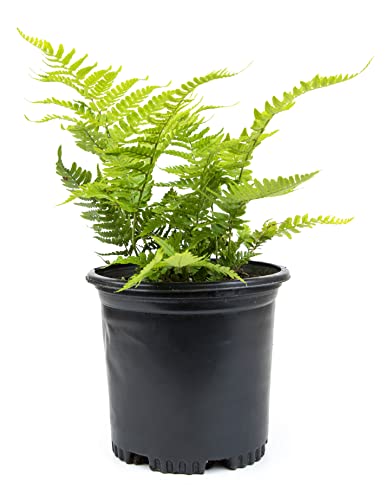
Autumn ferns offer durable, shade-friendly foliage and versatile use in landscapes. These ferns ship in a 1-gallon nursery pot, ideal for edging garden borders, ground covers, or hanger planters. They support fast establishment in shaded landscapes and pair well with evergreen shrubs or spring bulbs for layered textures. The plant’s evergreen tendencies help maintain color through the season, with fronds that provide a natural, low-maintenance look in outdoor spaces.
American Plant Exchange Live Autumn Fern

The Autumn Fern (also known as Japanese Shield Fern) features copper-toned new growth that matures to a rich green, creating year-round visual appeal in shady gardens. These ferns are well-suited to outdoor patios, container plantings, and woodland landscapes. They prefer partial to full shade and evenly moist, slightly acidic soil, tolerating a wide temperature range typical of many American garden zones. Easy maintenance makes them a practical choice for beginners and seasoned gardeners alike.
Fern Grower’s Manual

This reference book serves as a comprehensive guide for fern enthusiasts, covering species characteristics, propagation, and care considerations. While not a plant listing, the manual helps gardeners make informed decisions about selecting and maintaining shade-loving ferns, expanding knowledge on fern biology, pest management, and landscape use. It’s a valuable resource for planning durable shade gardens with a mix of foliage forms and growth habits.
TriStar Boston Fern in 10″ Hanging Basket

Boston ferns are a classic choice for shaded areas, offering cascading fronds that brighten patios, porches, and indoor spaces. The TriStar Boston Fern arrives in a full 10-inch hanging basket, ready to display. It thrives in bright, indirect light and performs best with consistent moisture in well-drained soil. While it tolerates shade, protection from harsh afternoon sun helps prevent leaf scorch, ensuring lush, arching fronds throughout the season.
Autumn Ferns For Edging And Shade Gardens
In shade garden borders, autumn ferns can serve as effective edging with their upright habit and lacy fronds. They pair well with ground covers, spring bulbs, and evergreen shrubs to create a layered, low-maintenance landscape. These plants tolerate fluctuating temperatures and provide a stable, green backdrop that complements patios and outdoor living spaces. For best results, plant in moist, well-drained soil and provide protection from intense afternoon sun in hotter climates.
Buying Guide: Key Considerations For Shade Ferns
- Light Requirements: Most shade-loving ferns prefer partial shade to filtered light. Avoid placing in direct afternoon sun, which can scorch fronds.
- Soil And Moisture: Consistently moist, well-drained, slightly acidic soil supports lush growth. Mulching helps conserve moisture and regulate root temperature.
- Temperature Tolerance: Native and cultivated ferns vary in hardiness. Check zone compatibility and provide protection in extreme weather, especially in early spring and late fall.
- Growth Habit: Ferns range from compact ground covers to tall, arching specimens. Choose varieties based on space, whether for ground cover, containers, or hanging displays.
- Placement And Pairing: Combine ferns with hostas, astilbes, or shade-loving bulbs to build layered interest. Consider leaf texture and color (green, copper, or variegation) for contrast.
- Maintenance: Most ferns benefit from regular watering, occasional feeding with a balanced fertilizer, and pruning of dead fronds to maintain tidy appearance.
- Care For Containers: When using pots or hanging baskets, ensure adequate drainage and monitor soil moisture more closely, especially in warm months.