Indulge fruit trees with targeted fertilisers that support growth, flowering, and yield. This guide highlights five reliable options suitable for common home orchard setups, from container citrus to backyard apples. Best for beginners: easy-to-use spikes and premixed blends. Best for large gardens: concentrated formulas that stretch your budget. Best for organic growers: naturally derived blends with OMRI approval. This selection helps you choose a product that matches your tree type, climate, and feeding schedule.
Summary table of chosen products:
| Product | Type | Best For | Notes |
|---|---|---|---|
| Miracle-Gro Fruit & Citrus Plant Food Spikes | Citrus/fruit tree spikes | Seasonal feeders; easy for beginners | Twice-yearly feeding; targeted delivery |
| Farmer’s Secret Fruit Tree Booster Fertilizer (8oz) | Concentrated liquid | Early growth after dormancy | Little goes a long way; phosphorus-rich |
| Miracle-Gro Shake ‘N Feed Citrus, Avocado, Mango | Container and in-ground citrus/fruit trees | Active for up to 3 months | |
| Down To Earth All Natural Fertilizers Organic Fruit Tree | Organic home orchards | 6-2-4 formula with calcium | |
| Dr. Earth Natural Wonder Fruit Tree Fertilizer | Organic precision feeding | 5-5-2 with safe ingredients |
Miracle-Gro Fruit & Citrus Plant Food Spikes
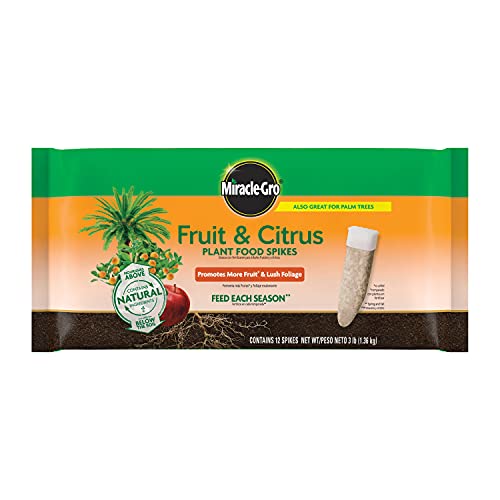
- Formulated for citrus and fruit trees, including apple, orange, lemon, lime, and avocado.
- Promotes fruit production and lush foliage compared with unfed plants.
- Easy feeding twice a year: early spring and mid-fall.
Best for: homeowners who want a simple, seasonal feeding routine with visible results on fruit yields. Choose this if you prefer a low-effort method that delivers nutrients directly to the tree roots. Limitation: not a liquid; timing is key to align with growth cycles.
Farmer’s Secret Fruit Tree Booster Fertilizer (32oz)

- Phosphorus-rich, designed for all fruit trees including peach, banana, and apple.
- Super-concentrated; a little goes a long way.
- Best used after dormancy through early bud development.
Best for: gardeners seeking a potent boost during early growth to encourage strong fruit set. Avoid if you need a routine schedule with weekly or monthly dosing, as this product emphasizes concentrated bursts.
Miracle-Gro Shake ‘N Feed Citrus, Avocado, Mango

- Feeds for up to 3 months with a blend tailored for citrus, avocado, and mango trees.
- Contains micronutrients like potassium, magnesium, sulfur, and iron to address common nutrient gaps.
- Versatile for indoor or outdoor use, in-ground beds or containers.
Best for: container and in-ground setups needing a steady nutrient supply without frequent applications. Better for: trees that require sustained feeding across multiple growing seasons. Caution: ensure correct application rates to avoid over-fertilization.
Down To Earth All Natural Fertilizers Organic Fruit Tree

- OMRI-listed organic formula 6-2-4 with added calcium for fruit development.
- All-natural, formulated for home orchards producing nutritious fruit.
- Five-pound box supports multiple trees and seasons.
Best for: organic-minded growers who want an OMRI-listed option with calcium for fruit development. Better for: those seeking a soil-based, natural feeding approach. Limitation: may require longer to show results than synthetic blends.
Dr. Earth Natural Wonder Fruit Tree Fertilizer

- NPK 5-5-2; certified organic with non-GMO ingredients.
- Safe to use around people and pets as part of organic gardening practices.
- 4-pound bag suits home orchards and multiple trees.
Best for: buyers seeking an organic-certified fertilizer with balanced nutrients for fruit trees. Choose this if you want a straightforward organic option that supports general tree vigor and fruit production. Limitation: may require time to build soil biology for best results.
Buying Guide: Key Purchase Considerations
- Tree type and climate: Match formulas to your fruit trees (citrus, apples, peaches) and your USDA zone. Some blends target citrus specifically, others are universal for broad fruit use.
- Feeding method: Spikes, granular, and liquid forms each have pros. Spikes offer slow, direct root feeding; granules provide extended feeding; liquids enable rapid absorption.
- Organic vs. synthetic: Organic blends support soil biology and may be preferred for organic setups; synthetic blends can deliver quick results in established soils.
- Application schedule: Consider whether you want twice-yearly dosing, quarterly, or monthly feeding. Align with spring flush and fall development for best yields.
- Concentration and dilution: Concentrated products require careful measurement to avoid over-fertilization and burn; follow label directions precisely.
- Calcium and micronutrients: Calcium improves fruit development; magnesium, iron, and zinc address common deficiencies in home orchards.
- Safety and compatibility: For households with pets or children, prioritize products labeled non-toxic or pet-safe and verify OMRI certification if organic.
FAQ: Quick Answers For Fruit Tree Fertilising
- How often should I fertilize fruit trees?
Most trees benefit from a seasonal schedule, typically once in early spring and once in fall, or as directed by the product you choose.
- Can I use fertilizer on potted fruit trees?
Yes; choose a formula suitable for containers and apply according to the label, avoiding over-fertilization which can harm roots in pots.
- Is organic fertilizer better than synthetic?
Organic options support soil biology and residue-free gardening, while synthetic blends can provide quicker nutrient delivery. Choose based on your goals and garden setup.
- Should I fertilize citrus trees differently from other fruit trees?
Many citrus-specific blends target micronutrients and calcium. For mixed orchards, a citrus-focused product can be beneficial if citrus is a priority.
- What signs indicate a nutrient deficiency in fruit trees?
Yellowing leaves, poor fruit set, and stunted growth are common indicators. If deficiencies appear, adjust the feeding plan to address the lacking nutrients.
- Can I fertilize during dormancy?
Most trees benefit from feeding after dormancy ends and before new growth begins. Follow product timing for best results.