For acid-loving plants, the right fertilizer lowers soil pH while delivering key nutrients. This guide selects five top Amazon options that help azaleas, camellias, rhododendrons, hydrangeas, blueberries, and related species bloom brightly and stay healthy. Each choice suits different gardeners—whether you prefer organic blends, water-soluble formulas, or slow-release solutions. Use the summary below to compare at a glance and choose what matches your soil and care routine.
Product Snapshot
| Product | Best For | Form | Notes |
|---|---|---|---|
| GARDENWISE 8-4-8 | Acid-loving shrubs and trees | Slow-release granule | Iron-rich, soil acidifier |
| Down To Earth Organic Acid Mix | Blueberries, azaleas, rhododendrons | Organic granular | Low pH, spring/fall use |
| Dr. Earth Acid Lovers | Azaleas, camellias, rhododendrons | Granular organic | Non-GMO, pet-safe |
| Miracle-Gro Azalea Mix | Indoor/outdoor acid lovers | Water-soluble | Instant feeding |
| Bloom City Acid-Loving Plant Fertilizer | Blueberries, hydrangeas, acid lovers | Liquid soil acidifier | Balanced nutrients for low pH |
GARDENWISE 8-4-8 Acidic Fertilizer for Acid-Loving Plants

Best for: Azaleas, camellias, rhododendrons, hydrangeas, blueberries, gardenias, magnolias, evergreens. This 8-4-8 formulation includes magnesium, iron, and manganese to prevent chlorosis and support vibrant blooms. It also acts as a soil acidifier, which is essential for plants that struggle in neutral or alkaline soils.
Why selected: It combines nourishment with acidity improvement, making it a solid all-purpose option for acid-loving landscapes. The iron focus helps color and overall plant health.
Caution: Some plants may respond slowly if soil pH is very high; consider a soil test to tailor application timing.
Down To Earth All Natural Fertilizers Organic Acid Mix

Best for: Blueberries, rhododendrons, azaleas, camellias, hydrangeas, and other acid-loving plants. This organic mix is designed to create a low pH environment while delivering essential nutrients to boost flowering and fruiting.
Why selected: A natural option that emphasizes soil health and long-term acidity. It suits gardeners who prefer organic inputs and predictable spring/fall applications.
Caution: May take longer to show visible improvements compared with synthetic formulas; plan for gradual soil pH adjustment.
Dr. Earth Acid Lovers Azalea, Camellia, Rhododendron & Maple Fertilizer
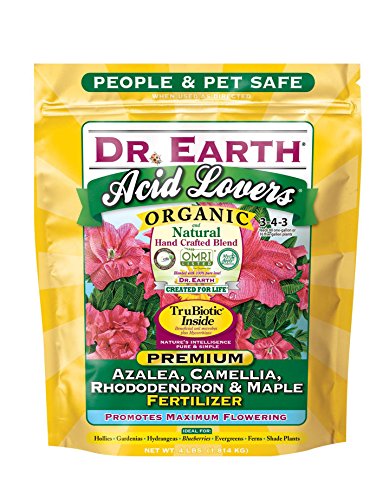
Best for: Azaleas, camellias, rhododendrons, maples, and other acid-loving shrubs. This non-GMO, pet-safe fertilizer blends minerals, proteins, humic acids, and trace elements to promote healthy soil.
Why selected: Emphasizes safety with human and pet-friendly ingredients while providing a nutrient-dense profile for acid-loving plants.
Limitation: Data notes handcrafted formulation; availability may vary by region and season, so check stock before planning an application window.
Miracle-Gro Water Soluble Azalea, Camellia, Rhododendron Plant Food

Best for: Indoor and outdoor acid-loving plants including azaleas, camellias, rhododendrons, gardenias, hibiscus, hollies, hydrangeas, and orchids. This is a quick-dissolving solution designed for rapid root and leaf feeding.
Why selected: Provides immediate nutrition for actively growing plants; ideal for container plants or quick soil pH management. Useful when you need fast visible response.
Limitation: Requires regular reapplication; liquid format may wash away with heavy rainfall if not watered in properly.
Scotts Miracle-Gro Miracid Acid-Loving Plant Food
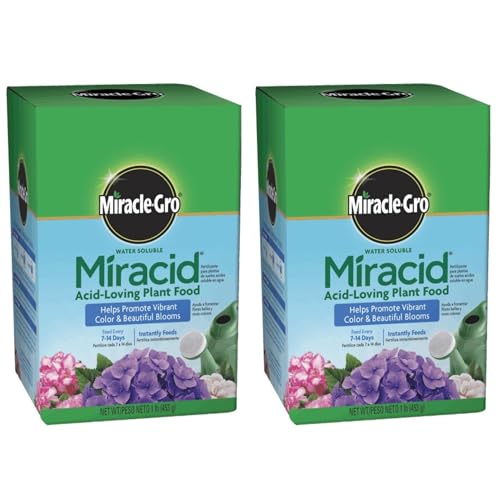
Best for: Azaleas, hydrangeas, and rhododendrons that benefit from both root and leaf feeding. This water-soluble formula supports quick nourishment and color development.
Why selected: Double feeding action targets both roots and leaves, helpful for mature plants with ongoing nutrient needs. It’s a familiar brand with straightforward use.
Limitation: Like other water-soluble products, timing and soil moisture influence uptake; avoid applying during extreme heat or drought without proper watering.
Bloom City Acid-Loving Plant Fertilizer
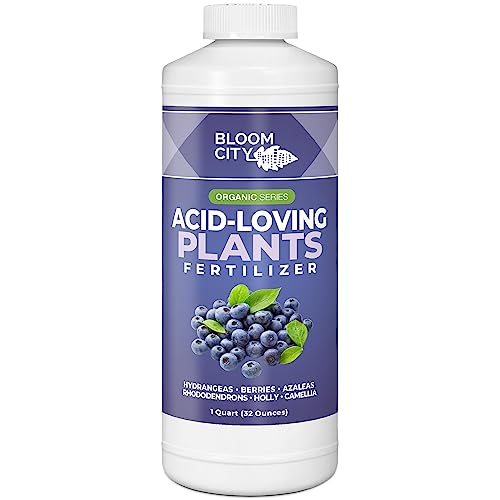
Best for: Acid-loving garden and landscape plants, including blueberries and hydrangeas. This liquid formula is designed to support growth in lower pH soils and fosters vibrant foliage and roots.
Why selected: Provides balanced nutrition tailored for acid-loving species with simple, spray-friendly application. Suitable for both indoor potted plants and outdoor beds.
Limitation: Liquid formulas may require more frequent applications to sustain acidity levels, depending on rainfall and irrigation.
Buying Guide: Key Considerations for Acid-Loving Plants
- Soil pH and buffering capacity: Test soil pH to confirm how much acidity is needed. Some soils resist pH change and may require repeated applications.
- Form and application: Choose slow-release granules for steady feeding, or liquids for quick results. Consider whether you garden with containers or in-ground beds.
- Nutrient balance: Look for iron, magnesium, and sulfur in the mix to address chlorosis and improve color. Azaleas and rhododendrons often benefit from high iron content.
- Organic vs synthetic: Organic blends improve soil biology over time, while synthetic formulations can deliver faster results. Your choice may depend on your regimen and safety preferences.
- Safety and compatibility: Check for pet-safe labels and avoid overly harsh chemicals near play areas. Some products are non-GMO or cruelty-free, aligning with particular garden ethics.
- Frequency and timing: Spring feeding supports new growth; fall applications can promote root strength and winter hardiness in mild climates.
FAQ: Acid-Loving Plant Fertilizers
- Q: Do acid-loving plants require a pH-specific fertilizer? A: Yes, choose formulations designed to lower or maintain soil acidity and supply essential micronutrients like iron.
- Q: How often should I fertilize acid-loving plants? A: Follow the product’s label; generally, 1–2 times in spring and a possible fall application is typical, depending on plant type and soil pH.
- Q: Can I use normal fertilizer for acid-loving plants? A: Regular high-nitrogen fertilizers may raise soil pH; use products formulated for low pH or acid-loving species to avoid pH drift.
- Q: Are organic options effective for azaleas and rhododendrons? A: Yes, organic blends support soil biology and long-term health, though results may appear more gradually than synthetic options.
- Q: Do these products work indoors as well as outdoors? A: Many are suitable for both environments, especially water-soluble and compost-based formulas, but always check the label for indoor-use guidance.
- Q: Should I test soil after applying fertilizer? A: Yes—soil tests help verify pH shifts and nutrient levels, guiding future applications for optimal growth.