Choosing the right fertilizer for acidic soils helps acid-loving plants like blueberries, azaleas, rhododendrons, hydrangeas, and camellias thrive. This guide highlights five top options designed to lower soil pH, boost essential nutrients, and support vigorous growth. Each product is selected for compatibility with low-pH environments and proven results for acid-loving varieties.
| Product | Brand | What It Does |
|---|---|---|
| Down To Earth All Natural Fertilizers Organic Acid Mix | Down To Earth All Natural Fertilizers | Specially blended for acid-loving plants; helps maintain low pH and encourages blooms and fruit |
| True Organic Soil Acidifier | True Organic | Lowers soil pH to create an acidic environment ideal for hydrangeas and other acid lovers |
| Bloom City Acid-Loving Plant Fertilizer | Bloom City | Maintains acidic soil pH and supports nutrient uptake for azaleas, rhododendrons, blueberries |
| GARDENWISE 8-4-8 Acidic Fertilizer | GARDENWISE | Iron-rich, magnesium and manganese support; acts as soil acidifier and boosts chlorophyll |
| Earth Science Fast Acting Sulfur | Earth Science | Instantly lowers soil pH to improve uptake for acid-loving plants |
Down To Earth Organic Acid Mix For Acid-Loving Plants

Down To Earth Organic Acid Mix is designed for plants with naturally low pH preferences, including blueberries, rhododendrons, azaleas, camellias, hydrangeas, and evergreens. The 4-3-6 blend provides balanced nutrients that support vegetative growth in early spring and reinforce bloom development when flowers appear. Fall applications can promote root resilience and winter hardiness. This product emphasizes natural formulations, aiming to improve soil conditions while feeding plant needs.
True Organic Soil Acidifier For Hydrangeas And Acid-Loving Plants

True Organic Soil Acidifier is formulated to lower soil pH, creating an ideal environment for acid-loving plants to flourish. It’s highlighted as particularly effective for hydrangeas seeking blue blooms, though it supports azaleas, rhododendrons, camellias, and other acidophiles as well. The product focuses on creating a more acidic medium to improve nutrient availability and plant vitality across multiple seasons.
Bloom City Acid-Loving Plant Fertilizer
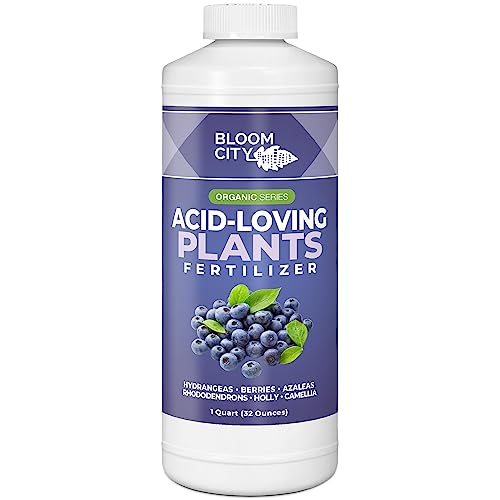
Bloom City’s Acid-Loving Plant Fertilizer is designed to sustain acidic soil conditions, promoting robust growth and production for plants that thrive in low pH environments. It targets azaleas, rhododendrons, blueberries, and other acidophilic species, with succinic acid components aimed at optimizing soil acidity for enhanced nutrient uptake and plant health. The formulation emphasizes maintaining soil conditions favorable to long-term vigor and yields.
GARDENWISE 8-4-8 Acidic Fertilizer

GARDENWISE 8-4-8 Acidic Fertilizer is rich in magnesium, iron, and manganese to prevent chlorosis in acid-loving plants. It also acts as a soil acidifier to support azaleas, hydrangeas, camellias, gardenias, rhododendrons, and other acidophiles. A notable feature is its eco-conscious microbial component, described as a bio-solid created through advanced wastewater treatment, designed to enrich soil biology alongside nutrient delivery for improved plant vitality.
Earth Science Fast Acting Sulfur For Soil pH Reduction

Earth Science Fast Acting Sulfur works quickly to lower soil pH, helping acid-loving plants such as hydrangeas, azaleas, and blueberries to absorb more nutrients. It’s designed to reduce alkaline conditions and improve color and growth. The product emphasizes immediate pH adjustment, which can be beneficial when planting new acid-loving specimens or adjusting established beds with neutral-to-alkaline soils.
Dr. Earth Acid Lovers Azalea, Camellia, Rhododendron Fertilizer
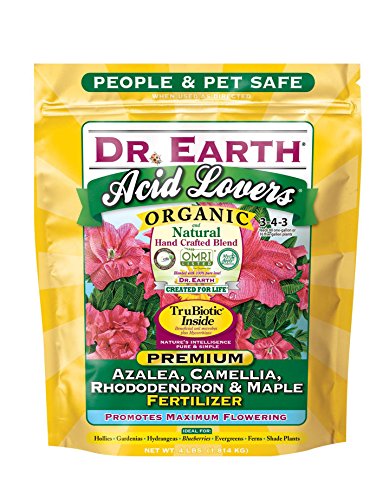
Dr. Earth’s Acid Lovers formula claims non-GMO project verification and pet-safe constitution, avoiding synthetic chemicals and GMO-derived manures. The blend includes minerals, humic acids, and trace elements intended to support soils that host acid-loving plants. The product emphasizes a wholesome, earth-friendly approach to foster healthy root systems and robust blooms in sensitive species.
Soil Revitalizer With Humic And Fulvic Acids

Soil Revitalizer delivers concentrated humic and fulvic acids to boost microbial activity and soil vitality. While not exclusively an acidic soil product, it complements acid-loving plant care by improving nutrient availability and soil structure. It’s marketed as a versatile enhancer that helps lawns, gardens, and houseplants, with a broad dilution ratio designed to yield significant coverage over time.
Buying Guide: Key Purchase Considerations For Acidic Soil Fertilizers
- Soil pH target: Identify your garden’s current pH and the target range for your acid-loving plants. Choose products that explicitly lower soil pH or maintain acidic conditions without overshooting.
- Nutrient balance: Look for formulations with essential micronutrients (iron, magnesium, manganese) to prevent chlorosis and support vibrant foliage and blooms.
- Plant compatibility: Match the product to your specific acid-loving species—blueberries, azaleas, rhododendrons, hydrangeas, camellias, and gardenias often have distinct needs.
- Application timing: Early spring applications support vegetative growth; bloom-time or fall applications can reinforce flowering and root development. Consider seasonal needs for your plants.
- Organic vs synthetic: If you prefer organic options, focus on compost-based or naturally derived pH-lowering ingredients. For rapid pH changes, sulfur-based or acidifying blends may be needed.
- Soil safety and longevity: Some products are designed for a quick pH shift; others provide lasting soil conditioning. Evaluate how long you want the effect to last and reapplication frequency.
- Environmental impact: Consider microbial health and eco-friendly manufacturing practices, especially for products featuring bio-solid and humic-based ingredients.
- Herbicide or fertilizer residue: Ensure compatibility with other lawn and garden treatments to prevent antagonistic interactions that could affect plant health.
Across these options, the best choice depends on your plant mix, soil composition, and how actively you want to adjust pH. The selected products cover a range of approaches—from direct soil pH reduction to sustained acidification and microbial soil support—allowing gardeners to tailor their approach for thriving acid-loving plantings.