Finding the right fertilizer for an apple tree depends on tree age, soil quality, and your harvest goals. This guide targets common homeowners and small orchard hobbyists seeking steady growth, healthier foliage, and bigger fruit yields. The selections below focus on products designed for apple trees while also supporting overall tree vitality. Each option is evaluated for best-fit scenarios, with practical cautions to help you choose wisely.
| Product | Best For | Notes |
|---|---|---|
| Apple Tree Fertilizer – Liquid Plant Food for Bigger Harvests (8 oz) | Young or established apple trees needing balanced, orchard-grade nutrition | Compact size for spot feeding |
| Miracle-Gro Fruit & Citrus Plant Food Spikes | Low-maintenance feeders that want seasonal feeding | Twice-yearly application grows fruit and foliage |
| Farmer’s Secret Fruit Tree Booster Fertilizer (32 oz) | Early growth cycle after dormancy | Highly concentrated for long-term use |
| Down To Earth All Natural Fertilizers Organic Fruit Tree | Organic, OMRI-listed option for fruit trees | Balanced 6-2-4 with added calcium |
| 16oz Apple Tree Fertilizer – Makes 16 Gallons | Liquid feeding with high dilution value | Great value; boosts growth and fruit quality |
Apple Tree Fertilizer – Liquid Plant Food for Bigger Harvests

Best for: New or established apple trees needing balanced, orchard-style nutrition. This liquid plant food by TPS NUTRIENTS is crafted to support healthy growth, fruit development, and strong root systems. It emphasizes long-term orchard health rather than quick bursts, making it suitable for homeowners who want steady, reliable results.
Why selected: The product is specifically labeled for apple trees and fruit-bearing trees, offering a balanced nutrient profile aimed at sustained productivity. It supports both root strength and fruit development, addressing common growth bottlenecks in home orchards. Use when you want predictable growth without excessive singling out of nutrients.
Caution: Liquid formulations can be sensitive to application timing and soil moisture. Follow recommended dilution and watering guidelines to avoid over-fertilization and leaf burn.
Miracle-Gro Fruit & Citrus Plant Food Spikes
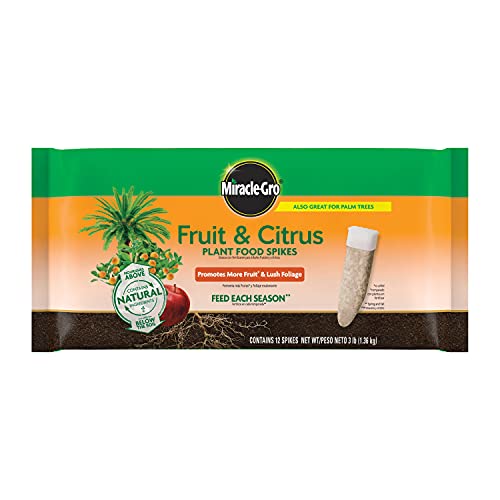
Best for: Homeowners seeking a simple, low-maintenance feeding routine. These spikes provide ongoing nutrition with minimal effort, making them ideal for busy gardeners who still want reliable fruit production and lush foliage.
Why selected: The product is designed for fruit trees, including apples, and offers a twice-yearly feeding schedule. This predictable cadence helps maintain steady nutrition through key growth periods, supporting fruit set and overall tree vigor.
Caution: Spikes are concentrated; ensure placement per label directions to avoid hotspots and uneven growth. This method isn’t ideal if you need rapid, spike-focused growth on a single tree in poor soil.
Farmer’s Secret Fruit Tree Booster Fertilizer (32 oz)

Best for: Apple trees during the early growth cycle after dormancy. This concentrated formula targets essential nutrients when trees are establishing buds and beginnings of fruit development, helping promote health and vigor.
Why selected: Its high concentration means a little goes a long way, which is economical for larger home plots or orchard setups. It’s also designed to support all fruit trees, including apples, during critical early growth stages.
Caution: Concentrated blends can risk over-fertilization if misapplied. Always follow label directions for dosage and spacing to avoid nutrient burn.
Apple Tree Fertilizer – Liquid Plant Food (32 oz)
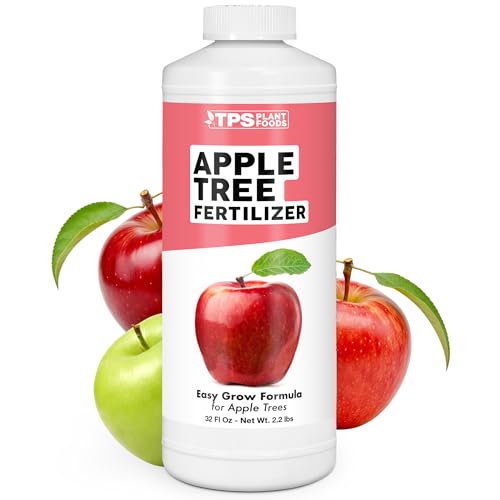
Best for: Apple trees requiring a larger liquid feeding option with extended supply. The 32-ounce format provides a larger volume for ongoing tree care, suitable for bigger home orchards or multiple trees.
Why selected: It mirrors the smaller 8-ounce version but in a bigger bottle, enabling consistent nourishment across a larger canopy and longer growing season. The formulation is designed to balance tree health with fruit development for steady yields.
Caution: Larger bottles can be heavier to handle; ensure proper pouring to avoid spills and uneven application. Dilution guidelines are essential for safe use around fruiting trees.
Down To Earth All Natural Fruit Tree Fertilizer

Best for: Gardeners preferring organic, OMRI-listed options for fruit trees, including apples. This fertilizer supports fruit development while aligning with organic growing practices.
Why selected: The OMRI listing signals suitability for organic production, and the 6-2-4 formula adds primary nutrients plus calcium for fruit development. It’s a well-rounded option for home orchards seeking natural inputs.
Caution: Organic blends may work more slowly than synthetic formulations. Consistent, longer-term feeding is often needed to see full benefits.
16oz Apple Tree Fertilizer – Makes 16 Gallons

Best for: Budget-conscious buyers who want high dilution value and broad coverage for multiple trees. This liquid concentrate is designed to be mixed into a large volume for wide-area feeding.
Why selected: The product emphasizes value and broad coverage, aiding growth with key macronutrients and additional micronutrients like calcium, iron, and zinc. It supports branches, foliage, and fruit quality when used as directed.
Caution: Ensure correct dilution to avoid under- or over-fertilization. Over-applied nutrients can lead to leaf burn or excessive growth at the expense of fruiting.
Buying Guide: How To Choose The Right Apple Tree Fertilizer
What type of feeder is best for your apple tree?
- Liquid vs. granular: Liquids act faster but require more precise timing; spikes or granules offer longer intervals but depend on root uptake.
- Organic vs. synthetic: Organic formulas are typically gentler and ideal for organic care; synthetic blends can provide quicker, targeted nutrients.
- Concentration and coverage: Larger trees or multiple trees benefit from concentrated formulas or larger-volume containers to minimize reordering.
When should you fertilize?
- Early spring as growth resumes and after harvest for replenishing nutrients is common advice, but follow product labels for tree age and dormancy status.
- Avoid over-fertilizing in extreme heat or drought, which can stress trees and reduce fruit yield.
What nutrients matter most for apples?
- Nitrogen supports leafy growth but needs balance to avoid excessive shoot growth at the expense of fruit.
- Phosphorus and potassium aid root development and fruit quality.
- Calcium helps with cell wall strength and fruit firmness, especially in heavy-bearing trees.
Site and soil considerations can influence product choice.
- Soil tests help identify existing nutrient levels and pH, guiding fertilizer selection.
- Organic amendments might be preferred in soils with low microbial activity or for gardeners pursuing organic certification.
Quick Comparison By Scenario
- Best for minimal maintenance: Miracle-Gro Fruit & Citrus Spikes.
- Best for organic growers: Down To Earth All Natural Fruit Tree Fertilizer.
- Best for early-season growth: Farmer’s Secret Fruit Tree Booster Fertilizer (32 oz).
- Best value and dilution: 16oz Apple Tree Fertilizer (HiThrive).
- Best for general orchard health: Apple Tree Fertilizer – Liquid Plant Food (8 oz) by TPS NUTRIENTS.
FAQ
- Q: How often should I fertilize an established apple tree? A: Follow product labels, but many schedules use spring and sometimes fall applications aligned with growth cycles.
- Q: Can I use fruit tree fertilizer on other trees? A: Yes, many formulas are labeled for multiple fruit trees, including apples, peaches, and citrus, but always check the label for compatibility.
- Q: Is organic fertilizer enough for a stressed tree? A: Organic options support long-term health; for immediate needs, a balanced fertilizer may be needed alongside proper watering and care.
- Q: Should I fertilize after fruit set or during dormancy? A: Early growth stages and post-harvest periods are common windows; avoid fertilizing during peak heat or drought stress.
- Q: How do I avoid fertilizer burn? A: Dilute according to label directions, water evenly after application, and avoid applying directly onto trunk or fruit zones.
- Q: Do I need to test soil before choosing a fertilizer? A: A soil test helps tailor nutrient needs and prevent over-fertilization, especially in pH-sensitive soils.