Calibrachoa, known for its delicate petunia-like blooms, thrives with balanced, iron-friendly fertilization. The right fertilizer supports abundant color, steady growth, and drought tolerance. Below are five select products that work well with calibrachoa, delivering essential nutrients, micronutrients, and convenient application methods for both indoor and outdoor containers.
| Product | Brand | Form | Key Benefit |
|---|---|---|---|
| Jack’s Classic 20-6-22 Petunia Feed | Jack’s Classic | Water-Soluble Powder | Iron-dependent lush greens; foliar or root feeding |
| Miracle-Gro Water Soluble All Purpose Plant Food | Miracle-Gro | Water-Soluble Granules | Fast-acting growth for a wide range of plants |
| CHITOSANER Petunia Feed 20-6-22 | CHITOSANER | Granular/Flowable | Feeding through leaves and roots; iron-hungry crops |
| BGI Bougainvillea Fertilizer | BGI Fertilizers | Granular | Monthly application; bloom-focused formula |
| Nelson Plant Food 17-7-10 | Nelson Plant Food | Granular | Slow-release; extended feed intervals |
Note: The following sections highlight five products most aligned with calibrachoa care, emphasizing iron availability, steady nutrient release, and ease of use for container gardening. Each product is described with its core features and practical application notes to support vibrant calibrachoa displays without relying on price guidance.
Jack’s Classic 20-6-22 Petunia Feed
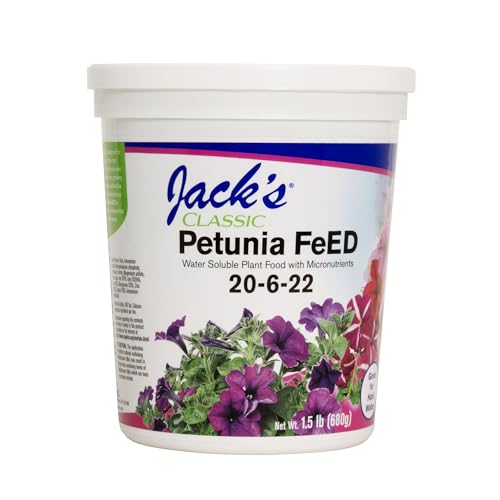
Jack’s Classic Petunia Feed 20-6-22 is designed to support iron-dependent annuals, including calibrachoa, under a variety of growing conditions. The product offers versatile feeding options, usable as a leaf spray or root application, which makes it suitable for both weekly waterings and foliar programs. Its water-soluble powder form allows you to mix measured amounts into multiple gallons of irrigation water, maximizing coverage without frequent reapplication. This fertilizer supports lush green growth while promoting strong, color-filled blooms in containers and beds alike.
Miracle-Gro Water Soluble All Purpose Plant Food

Miracle-Gro All Purpose Plant Food is a general-use option designed to nourish a broad range of garden plants, including calibrachoa. This water-soluble formula provides rapid feedback, helping plants establish robust growth and vibrant blossoms. It recommends feeding every 1-2 weeks, compatible with Miracle-Gro feeders or standard watering cans. While versatile, consider pairing with a calcium or iron supplement if your calibrachoa shows signs of iron deficiency or leaf yellowing, especially in alkaline soils or hot climates.
CHITOSANER Petunia Feed 20-6-22

CHITOSANER Petunia Feed 20-6-22 is tailored for iron-hungry crops such as calibrachoa. It feeds through both roots and leaves, providing flexible application options to ensure steady growth and rich color. The 20-6-22 ratio supports balanced development, while the formulation aims to keep plant health steady through varying weather conditions. This product is particularly useful for container plantings where rapid signals of nutrient uptake are desired to sustain continuous blooming cycles.
BGI Bougainvillea Fertilizer
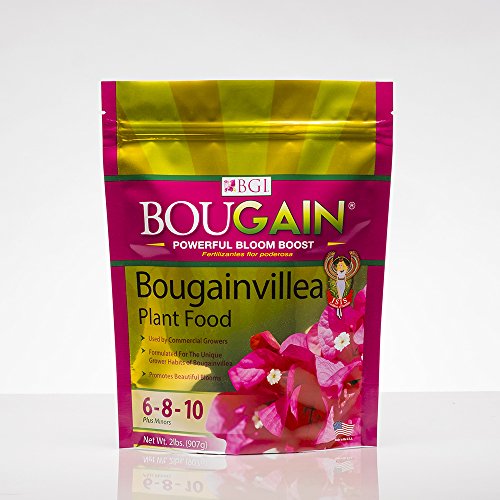
BGI Bougainvillea Fertilizer is a granular, monthly-application formula designed to promote abundant blooms. Although marketed for bougainvillea, its nutrient profile supports flowering vigor in other ornamental vines and edgings, including calibrachoa in some settings. The simplicity of a once-a-month schedule reduces maintenance, while the formula’s emphasis on bloom production helps achieve eye-catching displays with minimal effort in containers or garden beds.
Nelson Plant Food 17-7-10

Nelson Plant Food 17-7-10 is a slow-release fertilizer designed for long-lasting nutrient availability. Its 17-7-10 formulation supports flowering vines like calibrachoa, providing steady nutrition with extended intervals between feedings. Added sulfur and gypsum help shape soil acidity, supporting root health and nutrient uptake. This slow-release approach reduces the risk of fertilizer burn and is well-suited for gardeners who prefer less frequent feeding, especially in larger containers or mixed plantings.
Buying Guide: Key Purchase Considerations
When selecting a fertilizer for calibrachoa, consider these factors to optimize growth and blooms:
- N-P-K Ratio: Calibrachoa benefits from balanced or slightly higher phosphorus and potassium to support flowering and root development. Look for formulas around 10-20-20, 20-6-22, or similar ratios depending on stage of growth.
- Microelements: Iron (Fe), manganese (Mn), magnesium (Mg), and micronutrients help prevent chlorosis and promote vibrant color. Iron-rich or chelated formulations can be beneficial, especially in alkaline soils.
- Release Type: Water-soluble fertilizers provide quick feedback, while slow-release granules offer longer intervals between applications. A combination approach can balance immediate results with sustained feeding.
- Application Method: Foliar feeding can rapidly improve leaf color and vigor, but root feeding supports overall plant health. Choose products that offer both options if possible.
- Container vs. in-Garden: For calibrachoa in pots, opt for formulas with controlled release and easy mixing to prevent salt buildup in confined root zones.
- Maintenance Schedule: Some brands emphasize monthly feedings, others suggest every 1-2 weeks. Align with your watering routine and climate to avoid over-fertilization.
- Soil Compatibility: If your soil already contains slow-release nutrients, adjust the fertilizer schedule to avoid redundancy and nutrient lockout.
In addition to the product features listed, gardeners should monitor leaf color, growth rate, and bloom density. Signs of deficiency or excess fertilizer include pale new growth, leaf burn, or overly lush foliage with sparse flowers. Regular testing of soil pH and nutrient levels can guide precise adjustments for calibrachoa health and flowering performance.