Answering common questions about citrus plant nutrition, this guide highlights five reliable fertilizers tailored for citrus, avocado, and other fruit trees. This selection fits containers, in-ground beds, and indoor setups, helping you choose the right product for your tree type and growing situation. Ideal buyers include container gardeners seeking slow-release options, homeowners with fruit trees aiming for better fruit set, and indoor growers wanting balanced nutrition.
| Product | Best For | Key Benefit |
|---|---|---|
| Miracle-Gro Shake ‘N Feed Citrus, Avocado, Mango Plant Food | Containers and In-Ground | Up to 3 months of balanced feeding |
| Espoma Citrus-Tone 5-2-6 | Organic Citrus & Avocado Trees | Natural ingredients with Bio-tone |
| Miracle-Gro Fruit & Citrus Plant Food Spikes | Low Maintenance Care | Twice-yearly feeding easy for beginners |
| Premium Liquid Citrus Tree Plant Fertilizer (Gardenera) | Indoor Citrus & Flowers | Organic concentrate tailored for indoor trees |
| GARDENWISE Professional Citrus Fertilizer | All Citrus Varieties | Balanced NPK with micronutrients |
Miracle-Gro Shake ‘N Feed Citrus, Avocado, Mango Plant Food

This granular fertilizer feeds above and below the soil and lasts up to three months. It includes micronutrients such as potassium, magnesium, sulfur, and iron to address common citrus nutrient deficiencies. Best for homeowners with container or in-ground trees needing steady, long-lasting nutrition. Choose this for a ready-to-feed formula that supports citrus, avocado, and mango varieties in diverse planting environments. A potential limitation is the need to monitor dosing for large or unusually heavy-feeding trees.
Lemon Tree Fertilizer – Liquid Plant Food (TPS NUTRIENTS)
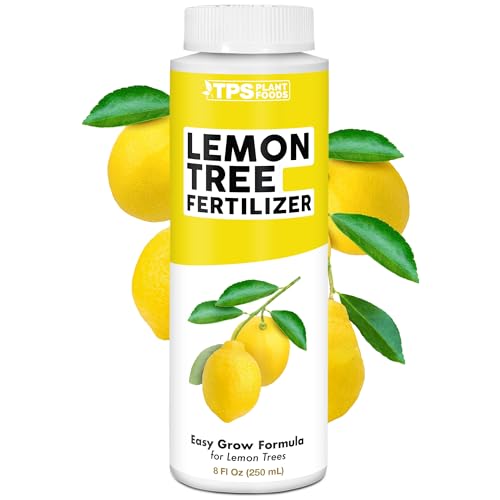
Formulated for lemon and citrus plants, this 8-ounce liquid feeds roots and supports steady growth and fruit development. It’s a good fit for growers seeking quick-acting nutrition that can be adjusted with regular applications. Best for citrus trees in pots or small gardens where rapid uptake is beneficial. Avoid over-fertilizing acidic soil or applying too close to harvest.
Miracle-Gro Fruit & Citrus Plant Food Spikes
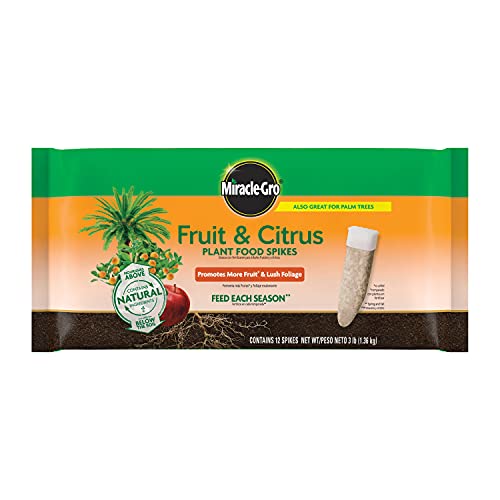
These 12 tree nutrition spikes deliver steady nutrients and promote fruit production with a simple seasonal schedule—twice a year in early spring and mid-fall. They’re best for growers who prefer a tidy, low-maintenance feeding routine. Best for established fruit and citrus trees in-ground or in large containers. One limitation is the fixed application schedule, which may not suit trees requiring more frequent feeding.
Espoma Organic Citrus-Tone 5-2-6

This organic fertilizer comes with Bio-tone microbial inoculants and no synthetic sludges. It’s designed for late winter pre-bloom, spring post-bloom, and fall applications around the drip line. It’s ideal for citrus, avocado, and nut trees that benefit from a natural, steady nutrient supply. Best for organic gardeners prioritizing soil health. Limitation: some gardeners may seek a quicker nitrogen release for rapid growth indoors.
GARDENWISE Professional Citrus Fertilizer

GardenWise combines balanced NPK with essential micronutrients to support all citrus types, including orange, lime, avocado, and lemon trees. It’s designed to deliver a steady nutrient boost with fewer applications, making it suitable for busy gardeners who want reliable results. Caution: verify soil pH compatibility as micronutrient availability can vary with pH levels.
Buying Guide: Key Purchase Considerations
- Plant type and stage: New plantings may benefit from balanced NPK blends, while fruiting trees often need higher potassium for yield and color.
- Format: Choose granules for slow release or liquids for rapid uptake. Spikes suit hands-off routines, especially for established trees.
- Organic vs synthetic: Organic options like Citrus-Tone support soil health, while synthetic blends can provide predictable, quick nutrition.
- Container vs in-ground: Container plants require more consistent feeding due to limited soil volume; in-ground trees benefit from deeper rooting nutrients.
- Micronutrients: Look for magnesium, iron, zinc, and boron to address common citrus deficiencies that affect foliage and fruit quality.
- Application timing: Schedule feeding around the drip line and growth cycle—late winter to early spring for new growth, with possible fall applications for continued fruiting.
Frequently Asked Questions
- What’s the best fertilizer for citrus trees in pots? – A balanced formula with micronutrients and slow release is typically best to maintain steady growth and fruit set.
- How often should I fertilize citrus trees? – This depends on the product. Slow-release granules may last 2-3 months, while spikes or liquids may require more frequent applications per season.
- Should I use organic or synthetic fertilizer? – Organic options favor soil health and microbial activity, while synthetic blends offer predictable, rapid nutrition. Choose based on gardening goals and soil conditions.
- Can I fertilize during blooming? – It’s generally best to time feeding to support new growth and fruit development, avoiding heavy applications during peak bloom where possible.
- Are there micronutrients I should watch for? – Yes. Magnesium, iron, zinc, copper, and boron support leaf color, tree vigor, and fruit development, especially in zinc-deficient soils.
- Is one product enough for all citrus varieties? – Several products claim broad citrus compatibility, but always consider your tree type (orange, lemon, lime, avocado) and whether the formulation aligns with its nutrient needs.