Irises reward gardeners with striking blooms and lush foliage, but they require balanced nutrition to thrive. This guide reviews five fertilizers that are well-suited for iris health, emphasizing products that support rhizomes, bulb development, and acid-loving soil preferences. Each selection is evaluated for ease of use, nutrient balance, and relevance to iris care, helping you choose the best fit for your garden.
Summary of Selected Products
| Product | Brand | Focus | Format |
|---|---|---|---|
| Iris Fertilizer | TPS NUTRIENTS | Direct iris feeding, fast absorption | Liquid 8 oz |
| GARDENWISE Hydrangea Fertilizer | GARDENWISE | Acid-loving plants, iron & sulfur | 12 oz granules |
| Azalea/Camellia Garden Fertilizer | Cz Garden Supply | Slow-release for acid-loving shrubs | 4-8-8 granules |
| Miracle-Gro Miracid | Scotts | Acid-loving plants like azaleas and hydrangeas | Water-soluble 1 lb |
| Miracle-Gro Shake ‘N Feed | Miracle-Gro | Long-lasting flowering support | 8 lb |
Iris Fertilizer For Iris Flower, 8 oz

TPS NUTRIENTS offers a purpose-built iris fertilizer designed to support bearded, Siberian, and Japanese iris varieties. The product emphasizes vibrant flowers, strong stems, and healthy rhizome development, with a liquid formula that enables rapid absorption. Its user-friendly application makes it suitable for gardeners seeking quick visible results, particularly when iris rhizomes are establishing new growth or recovering after stress. The formula is compatible with various iris types, ensuring broad applicability in mixed borders and specialized iris beds.
GARDENWISE Slow Release Hydrangea Fertilizer

Although marketed for hydrangeas and other acid-loving plants, this 8-4-8 formula with added iron and sulfur supports soil acidity and brighter blooms, which can benefit iris varieties that prefer slightly acidic conditions. The slow-release design minimizes fertilizer burn while feeding over time. Gardenwise emphasizes ease of use—sprinkle, water, and forget—making it a practical option for busy gardeners tending iris beds, borders, or containers that require steady nutrition.
4-8-8 Azalea, Camellia, Gardenia & Evergreen Fertilizer

Cz Garden Supply’s 4-8-8 formula is a premium, slow-release option ideal for acid-loving plants, including azaleas and rhododendrons, which share soil preferences with some iris varieties. Its slow-release nature helps prevent fertilizer burn and maintains soil nutrient levels over time. For iris growers seeking a broader plant-friendly fertilizer that covers a range of acid-loving species, this product provides a steady nutrient supply that supports vigorous growth and larger blooms without frequent reapplication.
Miracle-Gro Shake ‘N Feed Flowering Trees and Shrubs

This 8 lb bag provides a flowering-focused feeding approach designed to support trees and shrubs, including acid-loving varieties. The product uses a slow-release formula to sustain blooms through the growing season. For iris beds that incorporate flowering companions or that require longer-lasting nutrition with infrequent applications, this option offers convenience and broad-spectrum feeding that aligns with iris landscaping goals.
Scotts Miracid Acid-Loving Plant Food
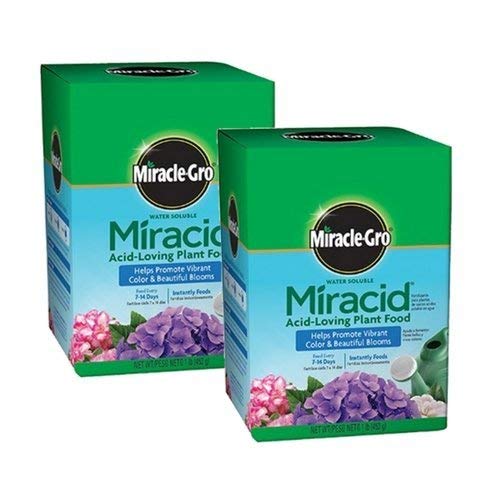
Scotts Miracid is a specialized water-soluble formula designed for acid-loving plants, including azaleas, hydrangeas, and rhododendrons. By promoting immediate nutrient uptake through both roots and leaves, Miracid can support iris beds that benefit from a lower pH environment and enhanced iron availability. The dual-action feeding helps address quick nutrient needs while maintaining soil conditions favorable to iris roots and rhizomes.
Scotts Turf Builder WinterGuard Fall Lawn Fertilizer

While primarily marketed for lawns, WinterGuard fall formulations provide a robust nutrient base that supports turf recovery and resilience into spring. For iris plantings near lawns or for border plantings where lawn and iris beds share soil, this product can contribute to overall soil fertility during the off-season. The emphasis on root development and soil conditioning can complement iris growth cycles when used according to label directions.
Buying Guide
- Soil pH considerations: Irises generally prefer slightly acidic to neutral soil. Choose fertilizers that support acid-loving conditions or include iron and sulfur as amendments to adjust pH gradually without shocking the plants.
- Formulation type: Liquid fertilizers offer quick uptake for established irises, while granules and slow-release formulas provide longer-lasting nutrition with reduced risk of burn. A mixed approach can balance immediate needs with ongoing feeding.
- Nutrient balance: Look for options with balanced NPK values tuned for flowering and rhizome health. For iris beds, a product around 4-8-8 or similar can support blooms without excessive foliage growth.
- Application method: Consider ease of use—sprinkle-and-water products suit outdoor beds, while water-soluble formulas are convenient for containers or beds with irrigation systems.
- Targeted vs. broad-spectrum: Targeted iris formulas are designed for bearded or beardless iris needs, while broader formulas for acid-loving plants can be appropriate if iris roots share soil conditions with nearby shrubs.
- Usage schedule: Apply in early spring as growth begins, and consider a second feeding after bloom for rhizome recovery. Follow label directions to avoid fertilizer burn.
- Container vs. in-garden: For iris containers, choose a soluble or liquid option to ensure even nutrient distribution and quick uptake in limited soil.
- Safety and environment: Use gloves and follow disposal guidelines. Water thoroughly after application to prevent salt buildup in the root zone.
- Compatibility with existing plant selections: If you have a garden with azaleas, camellias, or hydrangeas nearby, selecting an acid-loving formula can support multiple plants in the same bed without drastic pH shifts.
In summary, iris care benefits from fertilizers that balance bloom support with rhizome health, while accommodating soil pH preferences. The five products highlighted here offer options across liquid, slow-release, and soluble formats, with a focus on iris-friendly nutrient support and adaptable application methods.